

Premier League
Inside Enzo Maresca’s Shock Chelsea Exit: What Really Happened Behind The Scenes
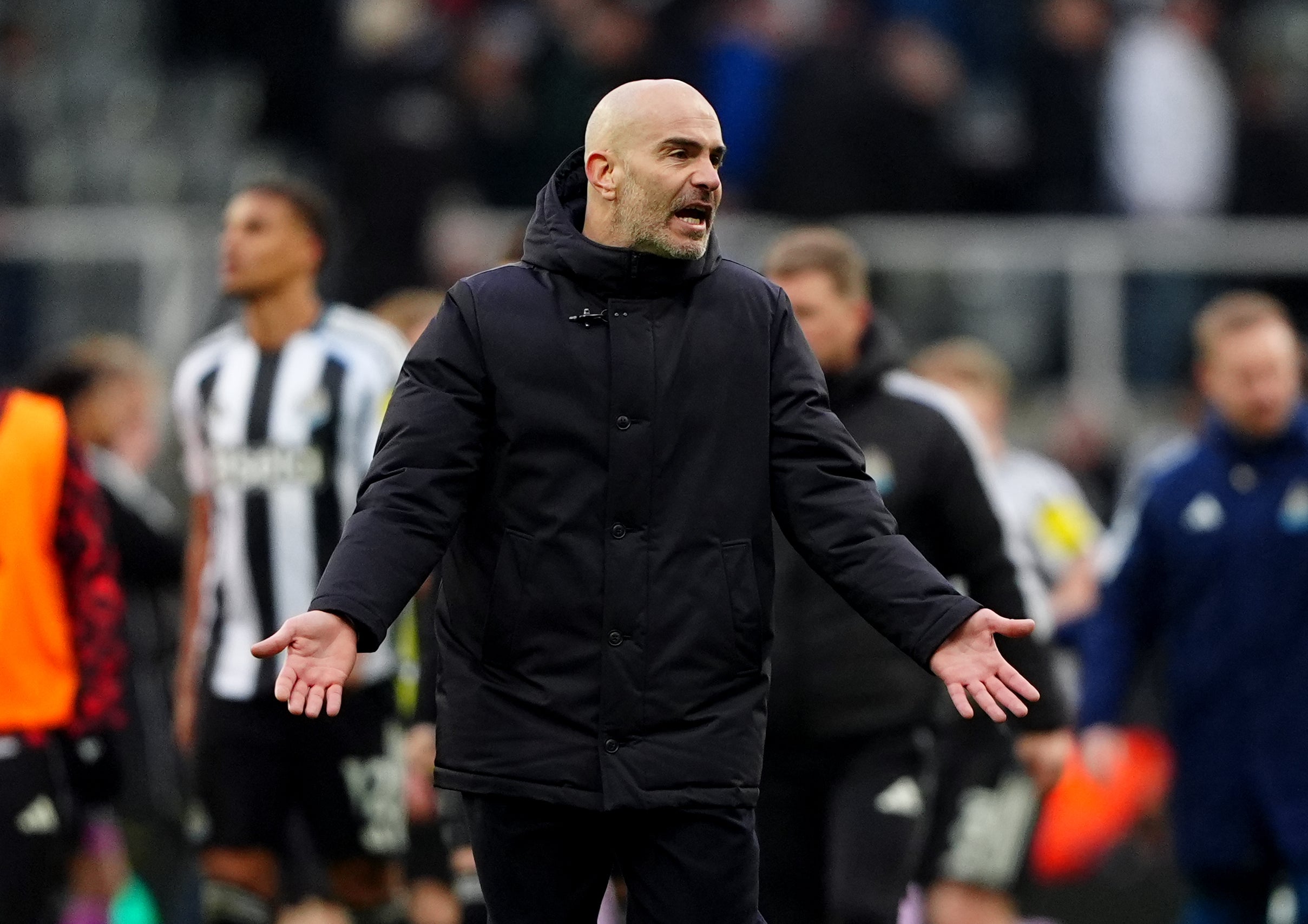
Enzo Maresca’s abrupt departure from Chelsea has sent shockwaves through English football, but the full story behind his exit reveals months of tension, mistrust, and internal conflict at Stamford Bridge.
What looked like a sudden decision on Thursday morning was in reality the culmination of deep fractures between Maresca and the club’s leadership.
Talks With Manchester City Spark Crisis of Confidence
Sources close to the club say the turning point came when Maresca informed senior Chelsea figures that he had spoken with individuals connected to Manchester City about potentially replacing Pep Guardiola.
These conversations reportedly took place twice in late October and again after Chelsea’s win over Everton on 13 December.
At the time, Maresca publicly made cryptic comments about experiencing his “worst 48 hours” at Chelsea remarks that confused fans and pundits. With hindsight, they point directly to the fallout from his discussions with City and his growing dissatisfaction at the club.
For Chelsea’s hierarchy, those admissions planted doubts about Maresca’s long-term commitment. Combined with the team’s poor form, just one win in seven Premier League games, confidence in the Italian began to collapse.
A Relationship That Had Already Started to Crumble
While City talks may have been the flashpoint, issues between Maresca and the board had been simmering for weeks.
The club became increasingly frustrated with his match-day decisions and tactical adjustments, but the greater concern was his conduct away from the pitch. According to insiders, Maresca displayed behavior that suggested he was trying to engineer an exit rather than mend fences internally.
The situation grew more volatile when he publicly claimed that “many people” had not supported him before the Everton match.
Those comments, viewed as unnecessary self-inflicted wounds, damaged trust within the club and raised questions about his emotional stability under pressure.
Medical Department Clash
A major internal battle revolved around Maresca’s push to override Chelsea’s strict load-management protocols.
The club has relied heavily on sports science to prevent repeat injuries, particularly for players such as Reece James, Wesley Fofana, Pedro Neto, and Cole Palmer.
Maresca, however, believed these restrictions limited his ability to field consistent lineups. He repeatedly asked for more freedom to play certain key players despite medical warnings.
Chelsea refused. The sporting leadership insisted that long-term player health must come before short-term tactical decisions.
Tensions intensified when Maresca allowed Reece James, who has a documented history of hamstring and knee issues, to play three full matches in a single week, something he had not done since 2023.
That incident was viewed internally as a direct challenge to the medical team’s authority.
Rotation Backfires and Public Criticism Mounts
Maresca’s heavy squad rotation, meant to protect players, instead led to poor results and heavy criticism.
He gambled on a rotated squad during the shock loss to Leeds and again made load-driven substitutions during the Champions League defeat to Atalanta.
That Atalanta loss came just days before his infamous “worst 48 hours” comment, adding more context to the emotional strain he was under.
Chelsea believed that the manager was inconsistent demanding freedom from medical restrictions while also using those same restrictions as justification for rotation decisions when results went badly.
The Final Straw: Press Conference Controversy
After the 2–2 draw with Bournemouth, a match where Chelsea threw away yet another lead, Maresca declined to attend his post-match press conference. The club initially said he felt unwell, and his assistant, Willy Caballero, addressed the media instead.
But insiders have revealed that Maresca was not too sick to speak; rather, he deliberately chose not to face the press.
This fueled speculation that he was seriously considering walking away.
The board’s patience finally wore thin.
Although Chelsea had planned to reassess Maresca’s future at the end of the season, Wednesday night’s events forced a quicker decision. After another tense internal exchange, the club moved to relieve him of his duties.
On Thursday morning, Maresca said his goodbyes to players and staff. Chelsea released a respectful but firm statement acknowledging its European achievements, including the UEFA Conference League and FIFA Club World Cup, while emphasizing the need for fresh direction with major objectives still at stake.
What’s Next for Chelsea?
The Blues are looking for their fifth permanent manager since Todd Boehly and Clearlake took over in 2022.
The top candidates include Liam Rosenior of Strasbourg, who is currently the leading contender, Francesco Farioli, the Porto manager, and Eric Ramsay of Minnesota United.
An interim coach may be needed for Sunday’s challenging trip to Manchester City.



