

La Liga
Xabi Alonso’s Short-Lived Real Madrid Era: How An Eight-Month Experiment Fell Apart
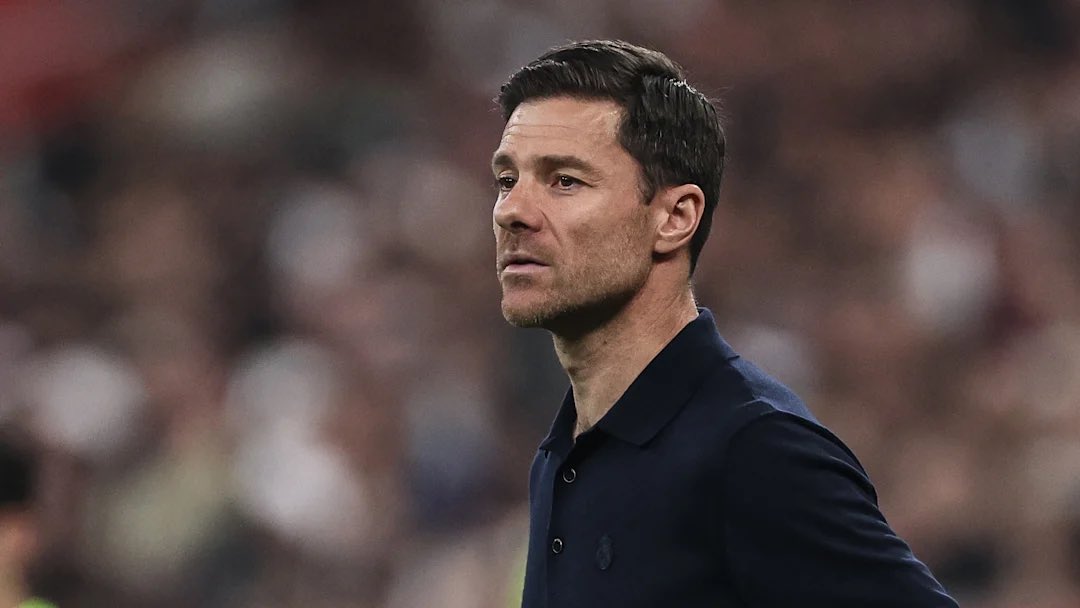
Xabi Alonso arrived at Real Madrid carrying both prestige and promise.
As a former midfield genius with a reputation for tactical intelligence, his appointment was hailed as a forward-thinking move one that could modernise Madrid’s football in the post-Ancelotti era. But less than eight months later, the project has collapsed.
The Spaniard agreed to depart on Monday, ending a turbulent chapter defined by lofty expectations, internal tensions, and performances that rarely matched the talent at his disposal.
In the end, Real Madrid looked uncomfortably similar to the team that finished last season without a major trophy.
And after Sunday’s bruising 3-2 defeat to Barcelona in the Spanish Super Cup final, club president Florentino Pérez decided he had seen enough. Alonso is out.
Reserve-team coach Álvaro Arbeloa is in.
Great Expectations, Little Return
When Alonso swapped Leverkusen for Madrid, he arrived with the glow of having guided the German side to an undefeated Bundesliga title.
His cerebral, high-pressing, possession-oriented model seemed the perfect antidote to Madrid’s previous inconsistencies. Supporters imagined a new era, not unlike the golden spells under Carlo Ancelotti and Zinedine Zidane.
But the transformation never materialised. Madrid often flattered to deceive, producing spells of control but few complete performances.
By mid-season, Alonso’s Madrid looked eerily like last year’s version moments of brilliance overshadowed by structural frailties.
Four points behind Barcelona in La Liga and languishing seventh in their Champions League group phase, Pérez opted for change.
The Tension Within the Squad
Real Madrid is a club where star power shapes the dressing room dynamic, and Alonso quickly learned how delicate that balance can be. Although he tried to rotate aggressively to keep the squad fresh, key players reacted poorly.
The most notable tension involved Vinicius Junior. Alonso benched him several times and withdrew him early in other matches.
After being subbed in October’s 2-1 Clásico win, the Brazilian was visibly furious. Although Alonso later reinstated Vinicius as an “untouchable,” the damage was done.
His 16-game scoring drought didn’t help, even if he finally scored again in Jeddah.
Managing the Stars
Jude Bellingham, fresh from shoulder surgery, was thrust back into the lineup and became undroppable, despite inconsistency.
Meanwhile, promising youngsters like Arda Güler and Franco Mastantuono, initial bright sparks, found their minutes sharply reduced as Alonso leaned heavily on seniority.
As the old guard reclaimed their places, some of Alonso’s most ambitious tactical ideas, especially high-pressing, quietly disappeared.
A Season filled by Setbacks
Madrid’s season quickly spiraled into a series of setbacks, many of which contributed to Alonso’s downfall.
The squad suffered injuries across key positions, limiting rotation and forcing Alonso to simplify his system. He publicly cited the injury list as one reason for shifting away from his preferred high-intensity style.
A 5-2 humiliation at the hands of Atlético Madrid in September left an early stain.
Even in victories, Madrid often looked unconvincing, winning without rhythm or fluency despite Kylian Mbappé’s impressive goal tally.
The NFL Disruption
Hosting an NFL game at the Bernabéu in November created fixture congestion and a stretch of consecutive away matches. Results suffered. Defeats to Liverpool in the Champions League and to Celta Vigo in La Liga, where fans jeered loudly, triggered alarm bells inside the club.
The ‘Ultimatum’ and Temporary Reprieve
Spanish media widely reported that Alonso was handed an ultimatum, defeat to Manchester City in the Champions League could end his tenure.
Pep Guardiola even publicly backed him before the match, acknowledging the unique challenges of the Madrid job.
Madrid lost 2-1, but Alonso survived his team had played well, and senior players voiced their support. Still, the feeling inside the club was clear, any slip could be fatal.
A handful of wins followed, yet performances remained fragile. When Barcelona defeated Madrid in the Spanish Super Cup final, Pérez finally pulled the trigger.
A Harsh Ending to an Ambitious Project
Alonso’s dream of leading Madrid to glory faded much faster than anyone expected. Despite glimpses of quality, especially during the Club World Cup run, his tactical ideas clashed with the squad’s preferences, his rotations unsettled influential figures, and the results never justified full trust from the hierarchy.
His early dismissal places him alongside other short-lived Madrid managers such as Rafa Benítez and Julen Lopetegui talented coaches swallowed by the unforgiving environment of the Bernabéu.
The Arbeloa Era Begins
Álvaro Arbeloa, promoted from the reserve team, now steps into one of the hottest seats in world football. Like Alonso, he is a former Madrid player with deep knowledge of the club’s culture.
But he also inherits a fractured squad, sky-high expectations, and the same internal pressures that derailed his predecessor.
Whether he can stabilise a team that has struggled to find itself remains one of the biggest storylines of Madrid’s season.



