

Premier League
Tottenham Turn To Roberto De Zerbi As Survival Mission Intensifies
Tottenham Hotspur have parted ways with head coach Igor Tudor after only seven matches and 44 days in charge, ending a short and chaotic spell that pushed the club dangerously close to the relegation zone.
The decision, described by the club as “mutually agreed”, comes with Spurs sitting just one point above the bottom three after collecting a single point from Tudor’s five Premier League fixtures.
Tudor’s tenure unravelled decisively last weekend with a 3–0 home loss to Nottingham Forest a result that left the board convinced that immediate intervention was essential.
Complicating the situation, Tudor learned after that match that his father, Mario, had passed away, adding a tragic dimension to an already collapsing campaign. Spurs acknowledged his bereavement publicly and expressed support for him and his family.
Renewed Push to Appoint Roberto De Zerbi
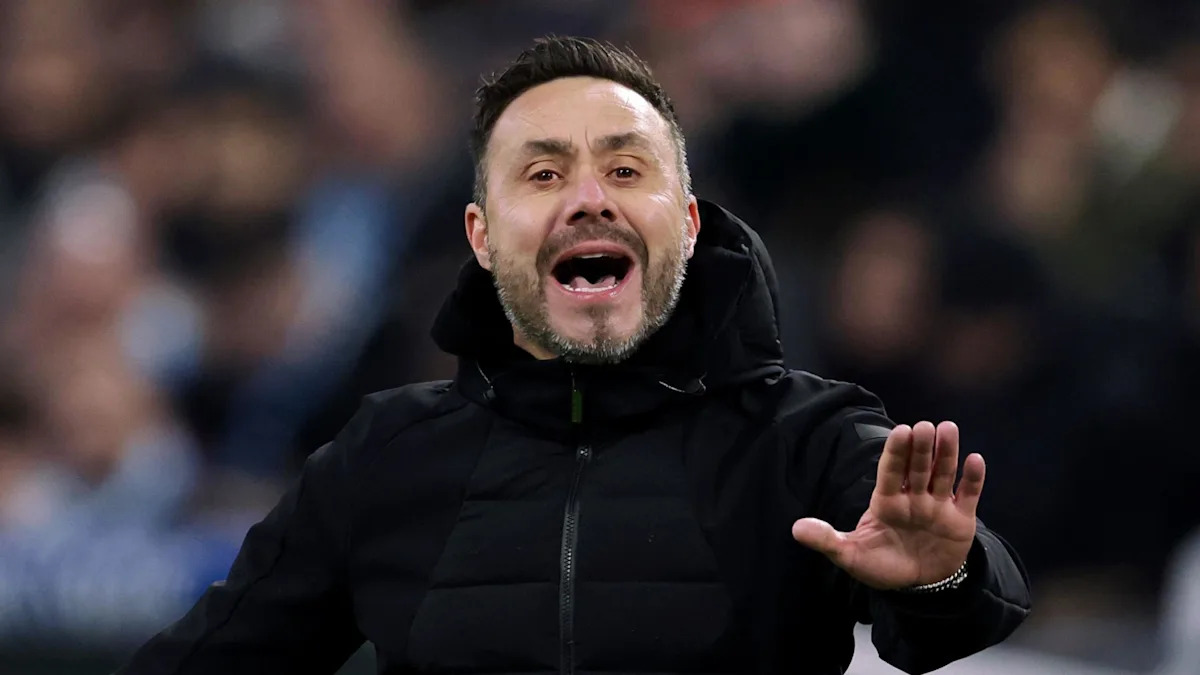
Spurs have moved swiftly, once again targeting Roberto De Zerbi, who previously managed Brighton & Hove Albion and left Olympique de Marseille earlier this season.
The Italian turned down Spurs in February, shortly after the dismissal of Thomas Frank, choosing instead to take a break from management.
Despite De Zerbi’s hesitation particularly given the risk of joining mid-season with Spurs in relegation danger the club remains confident they can convince him to sign a long-term deal. His dynamic, attacking style and prior Premier League success remain key attractions for the hierarchy.
Why Tudor Failed So Quickly
Tudor arrived with a reputation for fast turnarounds, most notably at Juventus, but he struggled to adapt to the demands of English football. His tactical reshuffles frequent changes in shape, personnel, and in-game adjustments created little stability.
His five league games produced defeats to Arsenal, Fulham, and Crystal Palace, alongside a single draw at Liverpool. The nadir came in Europe, where Spurs were humbled 5–2 in the first leg of their UEFA Champions League last-16 tie against Atlético Madrid, falling 4–0 behind within 22 minutes.
Tudor’s decision to substitute goalkeeper Antonin Kinsky after just 17 minutes against Atlético following two errors sparked internal and external criticism.
Although the second leg produced a spirited 3–2 win, the aggregate defeat underlined the fragility of the team.
Dressing Room Tensions and Injury Crisis
Tudor’s public assessments of the squad also caused friction. After losing to Fulham, he said the players were “lacking” not only in defence, midfield, and attack but also “in the brain department.”
Inside the camp, those comments were seen as inflammatory at a time when injury issues had already destabilised the squad.
Despite experimenting with numerous systems, Tudor consistently appeared overwhelmed. Within 10 days of arriving, he privately admitted the job was harder than he had anticipated.
The Shadow of Relegation
Spurs are now experiencing one of the worst runs in their history: 13 consecutive Premier League matches without a win their longest drought since the 1934–35 season, when they were relegated.
The fear of history repeating itself is real, especially with rivals Arsenal leading the table and ready to add symbolic pain should Spurs drop to the Championship for the first time since 1976–77.
With only seven matches left, the financial and reputational damage of relegation would be immense.
What Happens Next
Coach Bruno Saltor has taken temporary charge of training while the club accelerates talks to finalise Tudor’s successor in the coming days.
Spurs do not play again until their trip to Sunderland next weekend, giving the board a narrow window to settle the managerial situation before international players return.
The message from the hierarchy is clear: survival is non-negotiable.



