Serie A News
Gravina Resigns As FIGC President After Italy Misses Third Straight World Cup
The fallout from Italy’s failure to qualify for the World Cup for a third consecutive time has triggered seismic shifts within the leadership of Italian football.
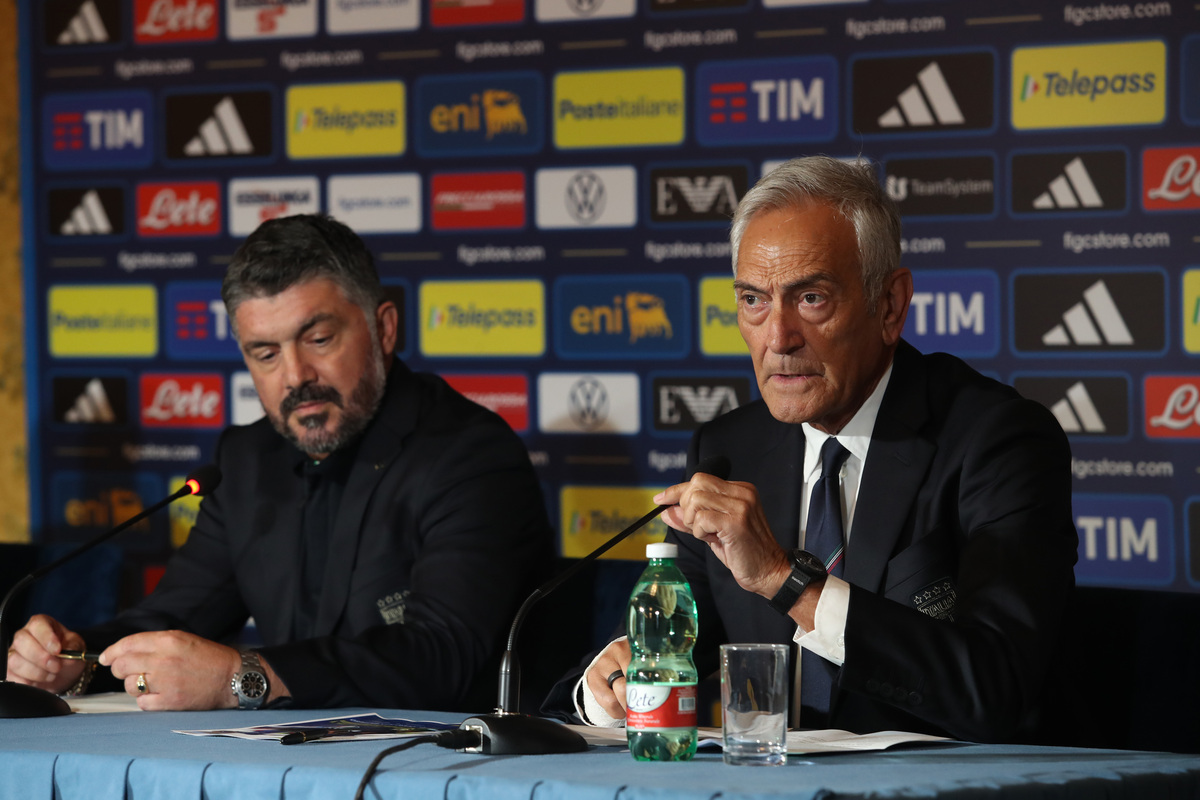
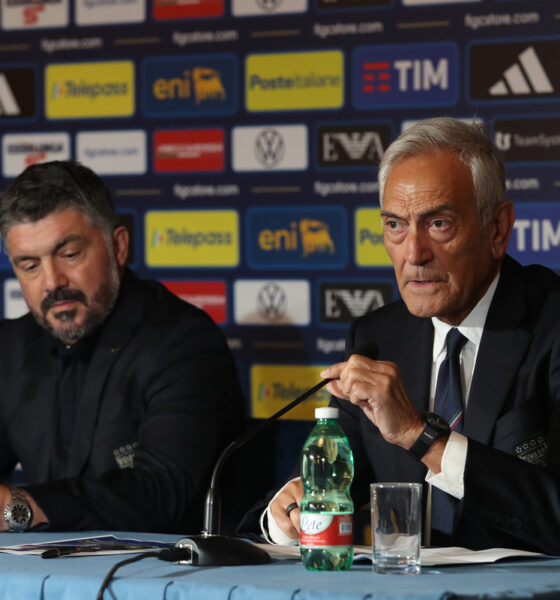
FIGC president Gabriele Gravina, facing unprecedented pressure and public scrutiny, has officially stepped down from his position, marking the end of an era that began in 2018.
His departure has set in motion a chain of events that will reshape the governance of the sport in Italy.
A Decisive Meeting in Rome
Gravina arrived at the FIGC headquarters in Rome early in the morning, where a crucial meeting with the federation’s board was scheduled.
What was initially planned as a post-mortem analysis of Italy’s defeat to Bosnia quickly evolved into a pivotal discussion about the future direction of Italian football.
During the meeting, Gravina addressed the leaders of Serie A, Serie B, Lega Pro, and other major stakeholders. It was here that he announced his final decision to resign, effectively bringing his long tenure to a close.
With this move, Italian football now looks toward a new chapter, as the federal council originally scheduled for next week has already been cancelled.
Elections for new leadership will be held on June 22 in Rome.
The Official FIGC Statement
The federation later released a detailed statement outlining the events of the meeting and confirming Gravina’s exit. The statement explained that he formally notified the head representatives of major leagues and associations of his resignation and called for the FIGC’s Extraordinary Elective Assembly.
The FIGC noted that the June 22 election date was set “in full compliance with the federation’s statutes” and would ensure the timely registration of clubs for the upcoming professional season.
The statement confirmed Gravina’s intention to appear before the VII Committee on Culture, Science, and Education on April 8, where he will present a full analysis of Italian football’s structural challenges.
During this communication, Gravina also offered clarifications regarding controversial comments made after the Bosnia defeat. He reiterated that his remarks about differences between amateur and professional sports were misunderstood and were never meant to show disrespect toward any athletic discipline.
Buffon Steps Down as Well
The resignation of Gravina was swiftly followed by another major departure. Gianluigi Buffon, Italy’s legendary former goalkeeper and a member of the 2006 World Cup-winning squad, also confirmed he is leaving his role within the national team setup.
In an emotional Instagram message, Buffon revealed that he had initially tried to resign immediately after the Bosnia match but was persuaded to reflect before making a final decision.
With Gravina now stepping aside, Buffon felt free to make what he described as a necessary act of responsibility.
He wrote, “Now that President Gravina has chosen to take a step back, I feel free to do what I feel is an act of responsibility.”
”Because, even in the sincere conviction that I have built so much on a spirit and group level with Rino Gattuso and all the collaborators, in a very short time at the disposal of the national team, the main objective was to bring Italy back to the World Cup.
”We didn’t succeed. It’s fair to leave it to those who will come after, the freedom to choose the figure they think is best to play my role.”
Backlash Over Gravina’s Comments
Gravina’s departure was accelerated not only by Italy’s elimination but also by a social media storm that erupted over remarks he made after the Bosnia defeat.
When asked why Italy excelled in other sports but continued to struggle in football, Gravina responded by suggesting that football is a professional sport while other disciplines are amateur.
The statement was widely condemned by athletes across Italy. Among the most vocal was Irma Testa, Italy’s first female Olympic boxer and a 2020 bronze medallist.
She posted on Instagram that “we are the real professionals,” capturing the outrage felt across the sporting community.
The FIGC clarified that Gravina’s comments were referencing structural and regulatory distinctions between professional football and other sports, including the autonomy of certain leagues and the corporate obligations placed on football clubs.
Nevertheless, the backlash further intensified calls for leadership change.
What Comes Next for the Azzurri?
With Gravina and Buffon gone, attention now turns to the future of Italy manager Gennaro Gattuso. His contract expires in June, and with the national team in disarray, speculation has already begun.
Media reports have linked high-profile coaches such as Antonio Conte and Massimiliano Allegri as possible replacements.
Italy faces a pivotal moment. With the national team’s reputation at its lowest point in decades, the leadership vacuum adds further urgency to the rebuilding process.
The June 22 elections will play a defining role in shaping the next era of Italian football, determining whether the Azzurri can finally stabilize and begin the long road back to the World Cup stage.