

Premier League
Why Manchester United Sacked Rúben Amorim: Full Breakdown Of The Power Struggle And Tactical Failures
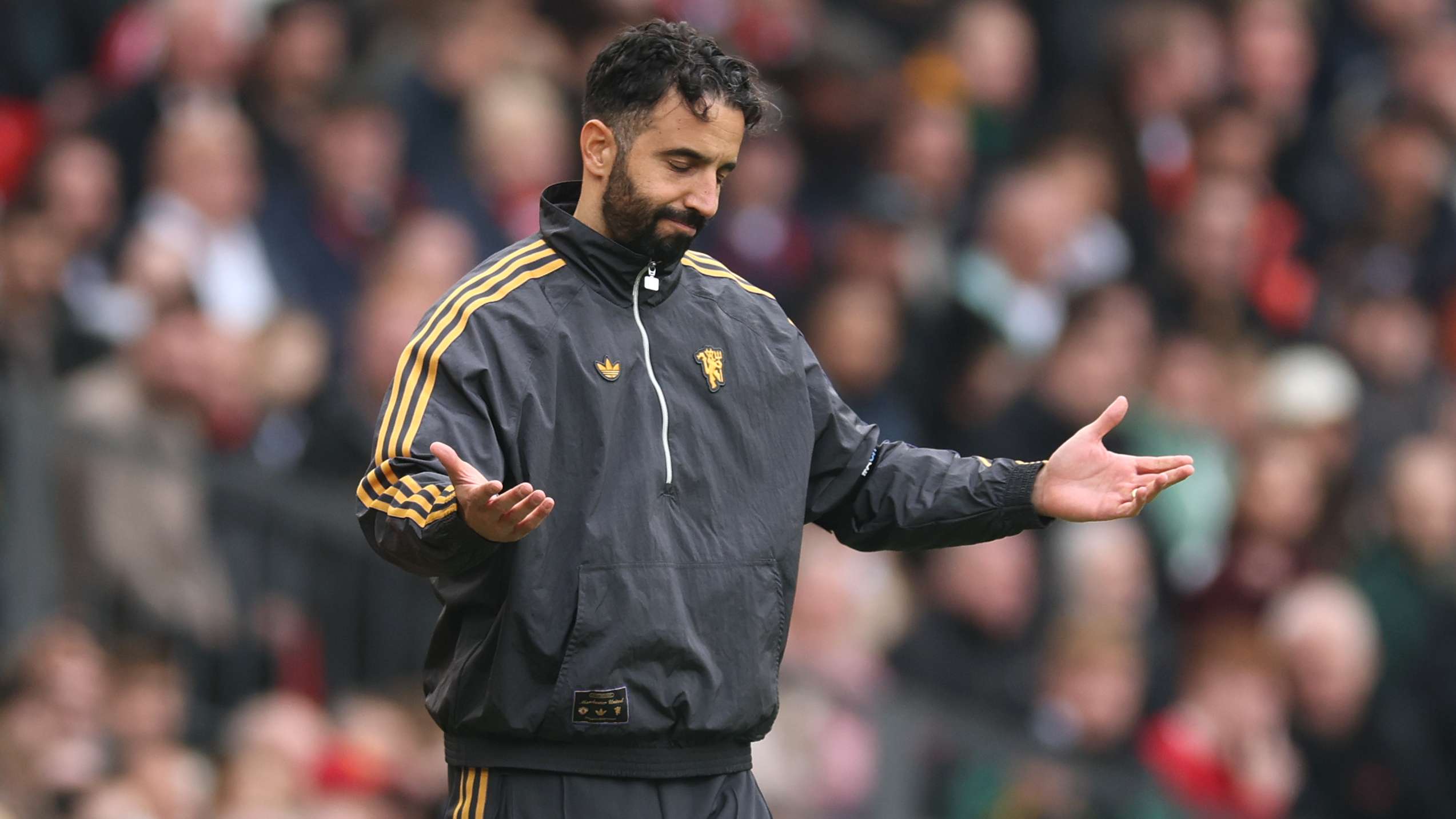
Manchester United have sacked Rúben Amorim after just 14 months, ending a turbulent spell marked by internal conflict and stalled progress.
His tenure, once filled with optimism around a modern and tactically innovative coach, ultimately collapsed under disagreements over football leadership and authority.
The club now enters yet another reset, searching for its seventh permanent manager since Sir Alex Ferguson’s departure in 2013.
A Breakdown Rooted in Power, Identity, and the Club’s Football Structure
Amorim’s downfall didn’t come solely from results, though they were far from convincing.
Instead, the biggest fracture emerged between the Portuguese coach and the hierarchy, particularly the director of football, Jason Wilcox, and the chief executive, Omar Berrada.
Amorim bristled at what he perceived as interference and a lack of autonomy, openly stating that he came to be “the manager of Manchester United, not the coach,” even though his official title was head coach.
After Sunday’s draw with Leeds, Amorim went public with frustrations that had been simmering for months.
He challenged the recruitment department to “do their job,” questioned the club’s transfer stance, and admitted he would leave when his contract ends in 18 months or sooner if the board decided to act.
His comments made it clear that he believed decision-making power had drifted away from him.
Worse still, he hinted that the club gave more weight to pundits’ views than to its own manager, “If people cannot handle the Gary Nevilles and the criticisms of everything, we need to change the club.”
Those words did not sit well inside Old Trafford.
The January Window That Broke Everything
One of the major triggers for the split was the club’s approach to the January transfer window.
Amorim believed he had assurances he would be backed if a major signing became available. But last Friday, he declared there had been “no conversation” about reinforcing the squad, a blunt contradiction of what he expected when he took the job.
The club, meanwhile, insisted the opposite, that Amorim had received full backing. They pointed to the £250m spent on his squad and argued that the signings he wanted for his preferred 3-4-3 system were unlikely to fit the next head coach, especially as confidence in him diminished.
There was also a growing emphasis that Wilcox and Berrada represented “best-in-class leadership,” and no head coach, not even Amorim, would outrank them. United believed they backed him completely; Amorim believed he was being undermined. Neither side blinked.
Tactical Stubbornness, Poor Results, and a Lack of Evolution
Amorim arrived in November 2024 on a wave of enthusiasm, carrying the reputation of a visionary coach who revived Sporting CP with a dynamic back-three system.
But his refusal to deviate from that approach for much of his United tenure became part of his undoing.
At one point, he famously said “not even the pope” could make him abandon his 3-4-3. Yet Premier League opponents regularly exploited the system, and the results were brutal.
“I came here to be the manager of Manchester United not to be the coach of Manchester United,” Amorim said, even though his title was, in a first for the club, head coach rather than manager.
“That is clear. I know my name is not Tuchel, Mourinho, or Conte, but I’m the manager.
“It’s going to be like this for 18 months or until the board decides to change. I’m not going to quit, I will do my job until another guy comes here to replace me.”
United recorded their worst league finish in history last season, 15th, with just 42 points, and lost the Europa League final.
Despite spending heavily last summer on Benjamin Šeško, Bryan Mbeumo, and Matheus Cunha, the team failed to produce sustained improvement. A disastrous Carabao Cup exit to League Two side Grimsby piled on the pressure.
Even with a modest recent upturn lifting United to sixth Amorim won only 15 of his 46 league games.
It simply wasn’t enough.
United’s Official statement
When the club confirmed his dismissal, the statement was blunt but calm, “With Manchester United sitting sixth in the Premier League, the club’s leadership has reluctantly made the decision that it is the right time to make a change. This will give the team the best opportunity of the highest possible Premier League finish.
”The club would like to thank Ruben for his contribution to the club and wishes him well for the future.”
Inside the club, the belief is firm, Amorim was backed, financially and structurally, but lacked the adaptation and evolution required at this level.
What This Means for United
The sacking of Amorim again thrusts Manchester United into a familiar place: transition, uncertainty, and another managerial search.
Darren Fletcher will take charge against Burnley on Wednesday, but long-term planning remains wide open.
Under Sir Jim Ratcliffe’s partial ownership, the club hoped to establish a coherent football structure. However, the removal of Amorim raises important questions
Can United truly commit to a long-term project?
Who has final authority over football decisions the board or the head coach?
Will the next manager accept the diminished power built into the INEOS model?
What’s undeniable is that the club’s identity remains unsettled. Eleven years after Sir Alex Ferguson’s retirement, United still lacks a clear footballing philosophy or a stable leadership structure capable of sustaining success.
A Costly Mistake or Necessary Reset?
Rúben Amorim’s time at Manchester United will be remembered as a costly, chaotic experiment marked by ideological clashes, tactical rigidity, and a belief from both sides that they were right.
United saw a manager who couldn’t deliver progress; Amorim saw a club that wouldn’t give him control.



