
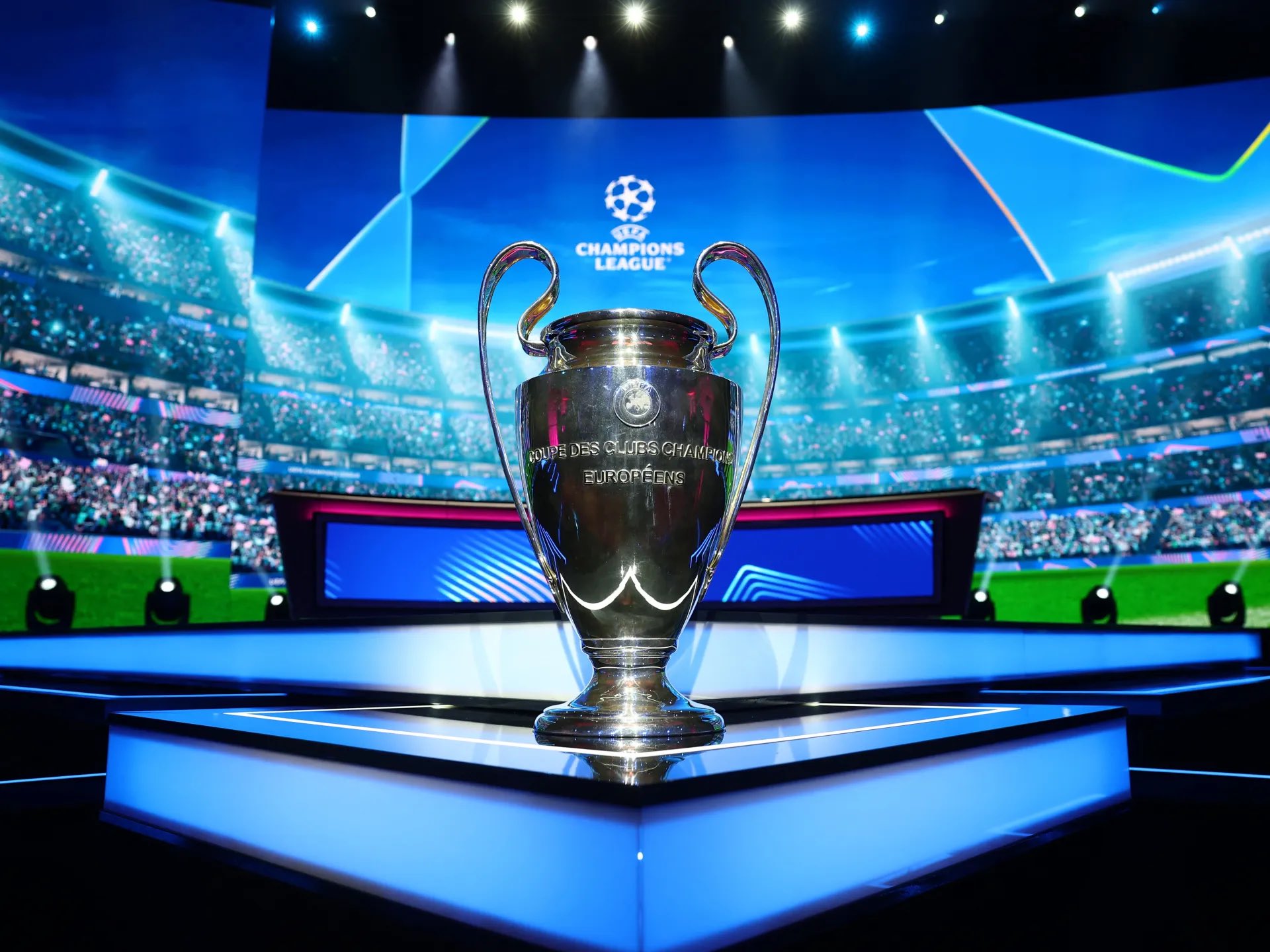
Champions League
How UEFA’s New Deals Will Generate Over €6bn A Year
UEFA is preparing to enter the most financially transformative cycle in its history.
Starting from next year, Europe’s governing body is projected to generate more than €1bn annually from commercial partnerships alone. Driven by a restructured sponsorship model and an aggressive global sales strategy. With two additional global deals close to completion.
UEFA’s total annual revenue is expected to exceed €6bn, a dramatic leap from the current €4.4bn figure.
This monumental increase positions the Champions League and its sister competitions for unprecedented financial growth. But simultaneously intensifies long-standing concerns over the widening gap between Europe’s elite clubs and the rest of the football pyramid.
A Rapid Surge in Commercial Power
UEFA’s commercial division, UC3, is close to finalising agreements with an official payments provider and a technology partner.
Once confirmed, these deals will complete UEFA’s roster of premium global partners and lift sponsorship income by more than 40 percent.
The recent wave of agreements underscores the scale of UEFA’s commercial pull. AB InBev has already secured a six-year deal worth €230m annually to replace Heineken as the official beer partner. Pepsi has extended its soft drinks partnership until 2033.
Nike has entered exclusive talks to take over as UEFA’s match ball provider from 2027.
These deals reflect a fundamental shift in UEFA’s sales approach. The governing body has introduced reserve prices for top-tier sponsorship packages, set at €120m.
Yet multiple partners have already exceeded that threshold. The payments and technology categories alone are expected to contribute more than €250m to the yearly revenue tally.
Broadcast Rights Driving Financial Expansion
While commercial partnerships have surged, UEFA’s broadcasting revenues are climbing at an equally impressive rate. The first wave of TV rights for the 2027–31 cycle delivered substantial increases. And including a 20 percent rise in the United Kingdom and a 30 percent rise in Germany. Strong early gains followed in markets such as the Netherlands and Japan. While tenders remain active in 21 other territories.
UEFA now projects that broadcasting valuations will surpass €5bn per year, meaning media rights will account for the bulk of the governing body’s total revenue. When combined with record-breaking sponsorship income. UEFA is poised to generate more than €6bn annually across all competitions.
Relevant Football Partners and the Commercial Overhaul
Much of this surge can be traced to UC3’s decision to appoint Relevent Football Partners last year. It is ending a 30-year relationship with the Swiss agency TEAM.
Relevent has dramatically reshaped UEFA’s sponsorship structure, replacing the traditional format with a new tiered system.
At the top of this structure sit four elevated global partners who receive commercial rights across all UEFA club competitions. This approach gives brands exposure across 531 matches per season, compared to only 189 in the Champions League under the previous model.
Beneath this tier, eight additional partnership categories are available, assigned per competition rather than across all three tournaments.
This new model unlocked a far more competitive sponsorship market, enabling UEFA to command higher fees and achieve deeper partnerships. Early indications suggest that the strategy has been an overwhelming financial success.
Distribution Model Under Scrutiny
The impending financial boom has reignited concerns about competitive imbalance. Under UEFA’s current distribution system, 74 percent of revenue is allocated to Champions League clubs.
With 17 percent distributed to Europa League participants and 9 percent going to Conference League clubs.
The consequences are stark. Seven clubs received more than €100m in prize money last season, with Champions League winners Paris Saint-Germain topping the list at €144.4m.
As UEFA’s revenues multiply, the richest clubs stand to gain even more. Which widening the gulf that already separates Europe’s elite from smaller and mid-tier teams.
At their most recent AGM, the Union of European Clubs proposed a dramatic rebalancing of the distribution model. They are suggesting that UEFA shift to a 50–30–20 split for its three competitions. The funds would be allocated proportionately to domestic leagues, instead of flowing directly to the clubs.
This approach aims to strengthen national competitions and reduce the widening financial divide.
