

Premier League
Manchester City’s 115 Charges: What Is Taking So Long And What Happens Next?
Premier League club Manchester City’s 115 charges remain unresolved, and that may now be the biggest story about the case itself.
The independent hearing finished in December 2024, yet by August 2026 there is still no publicly announced verdict. City deny all allegations, but while lawyers deliberate, football has continued around them.
Three Premier League seasons have passed since the charges became public. Another campaign is about to begin. Players have moved, clubs have changed managers, trophies have been won and lost, and the financial rules at the centre of the case have continued to shape the transfer market.
That is why this is no longer simply a legal dispute between Manchester City and the Premier League.
It is a test of whether football can impose financial rules quickly enough to protect competitive fairness.
And African football has more at stake in the answer than it might first appear.
Manchester City’s 115 Charges: What Is Actually Being Decided?
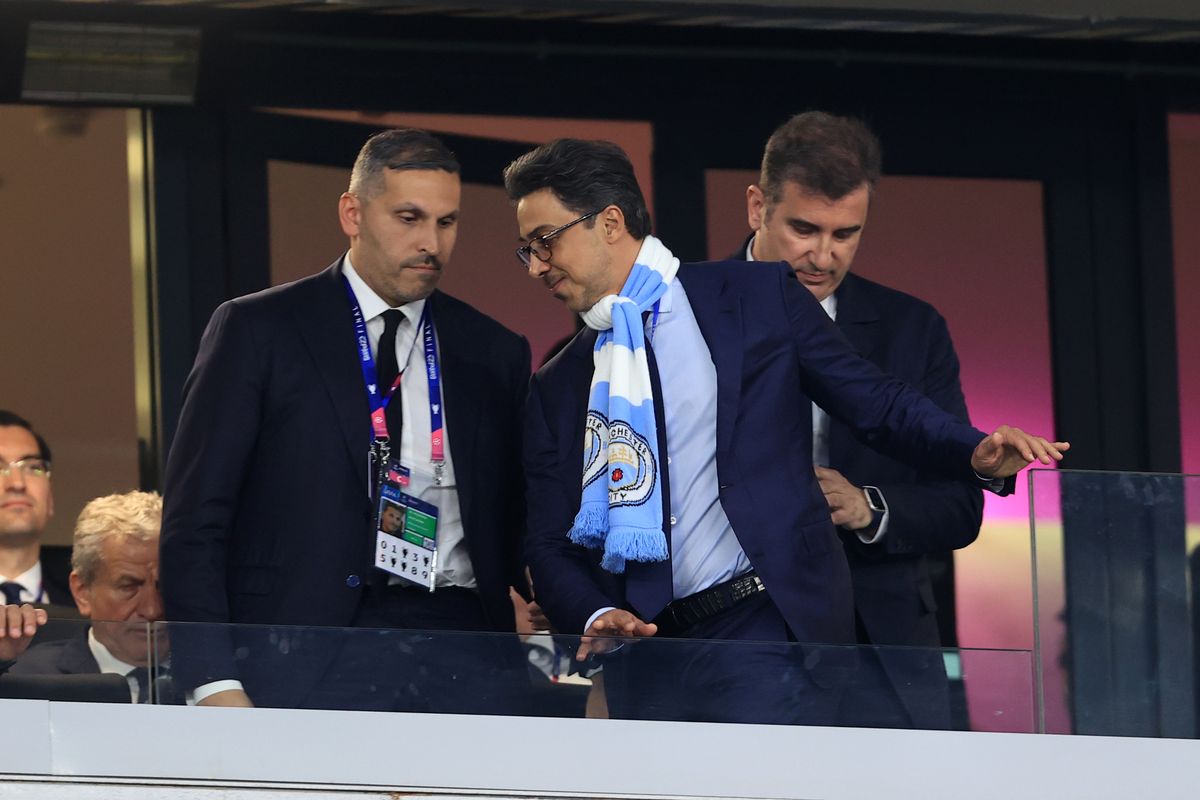
Sheikh Mansour, owner of Manchester City, alongside club chairman Khaldoon Al Mubarak and CEO Ferran Soriano.
The Premier League announced the charges against Manchester City in February 2023, alleging breaches covering nine years from 2009 to 2018, alongside allegations relating to the club’s cooperation with the league’s investigation. Manchester City have consistently denied the allegations.
The charge sheet is enormous.
The allegations include failures to provide accurate financial information and alleged inaccuracies concerning player and manager remuneration. Alleged breaches of UEFA financial regulations, alleged breaches of the Premier League’s profitability and sustainability rules. And also alleged failures to cooperate with the Premier League’s investigation.
The independent commission eventually heard the case between September and December 2024.
Then came the silence. That distinction matters. Manchester City have not been found guilty of these charges. The absence of a verdict cannot legitimately be presented as evidence that the club committed the alleged breaches.
But the absence of a verdict does create another problem.
It leaves the entire Premier League operating around a question that could eventually alter how years of English football are understood.
The case is so large because it is not simply asking whether a club made one accounting mistake. It involves years of financial records, contracts, communications and testimony. Reports have described the evidence as running into hundreds of thousands of documents.
That explains why the process is taking time.
It does not, however, make the consequences of waiting disappear.
The Timeline for Manchester City’s 115-charge has Become the Story
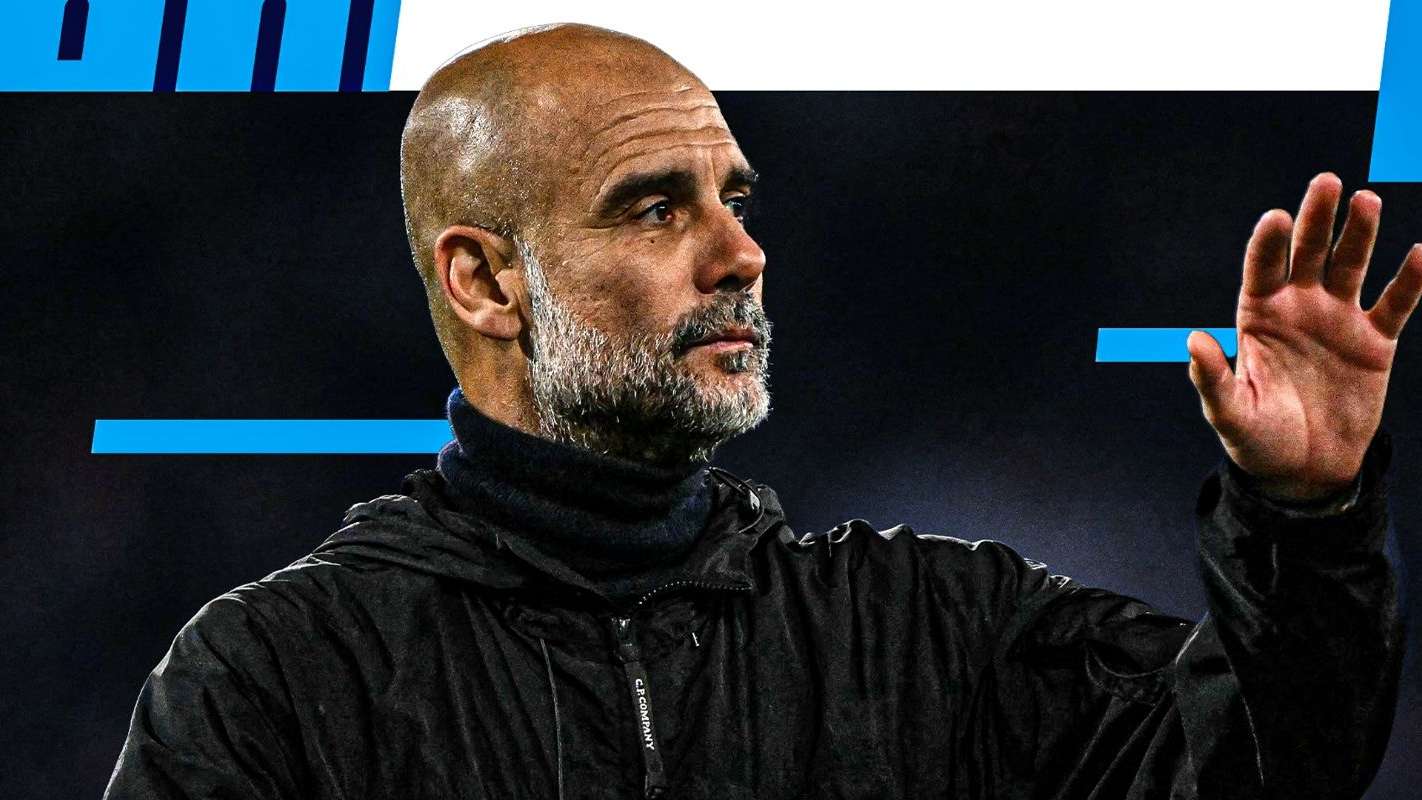
Pep Guardiola, widely regarded as one of the most successful and influential coaches in the history of the sport.
There is something almost surreal about the calendar now. Manchester City’s 115 charges were filed in February 2023.
The hearing did not begin until September 2024.
It concluded in December 2024. By August 2026, the verdict still has not been publicly announced.
That means the independent commission has spent roughly 20 months considering its decision since the hearing ended.
And football has not paused while it waits.
Manchester City have continued to operate as one of the world’s most powerful clubs. They have continued recruiting players and competing for major honours. The Premier League has continued to apply its financial regulations to every other club.
That creates an unusual sporting situation. The allegations concern historical conduct, but the uncertainty is affecting the present.
Even more importantly, nobody outside the process can confidently say when the uncertainty will end.
Premier League chief executive Richard Masters has previously stressed that the independent judiciary controls the process and its timing rather than the league itself.
That is legally understandable. But from a sporting perspective, it creates an uncomfortable question: how long can a competition realistically operate under the shadow of a case that could potentially change its history?
The answer is becoming increasingly difficult to defend.
There were reports in May 2026 that a decision could arrive within weeks, but that expectation has not produced a publicly announced verdict.
That uncertainty has become part of the spectacle.
Fans joke about it. Rival supporters speculate about it. Football journalists repeatedly revisit it.
And every transfer window brings the same question back:
What happens if the verdict arrives after another season has already been played?
Newcastle, PSR and the Competitive-Fairness Problem
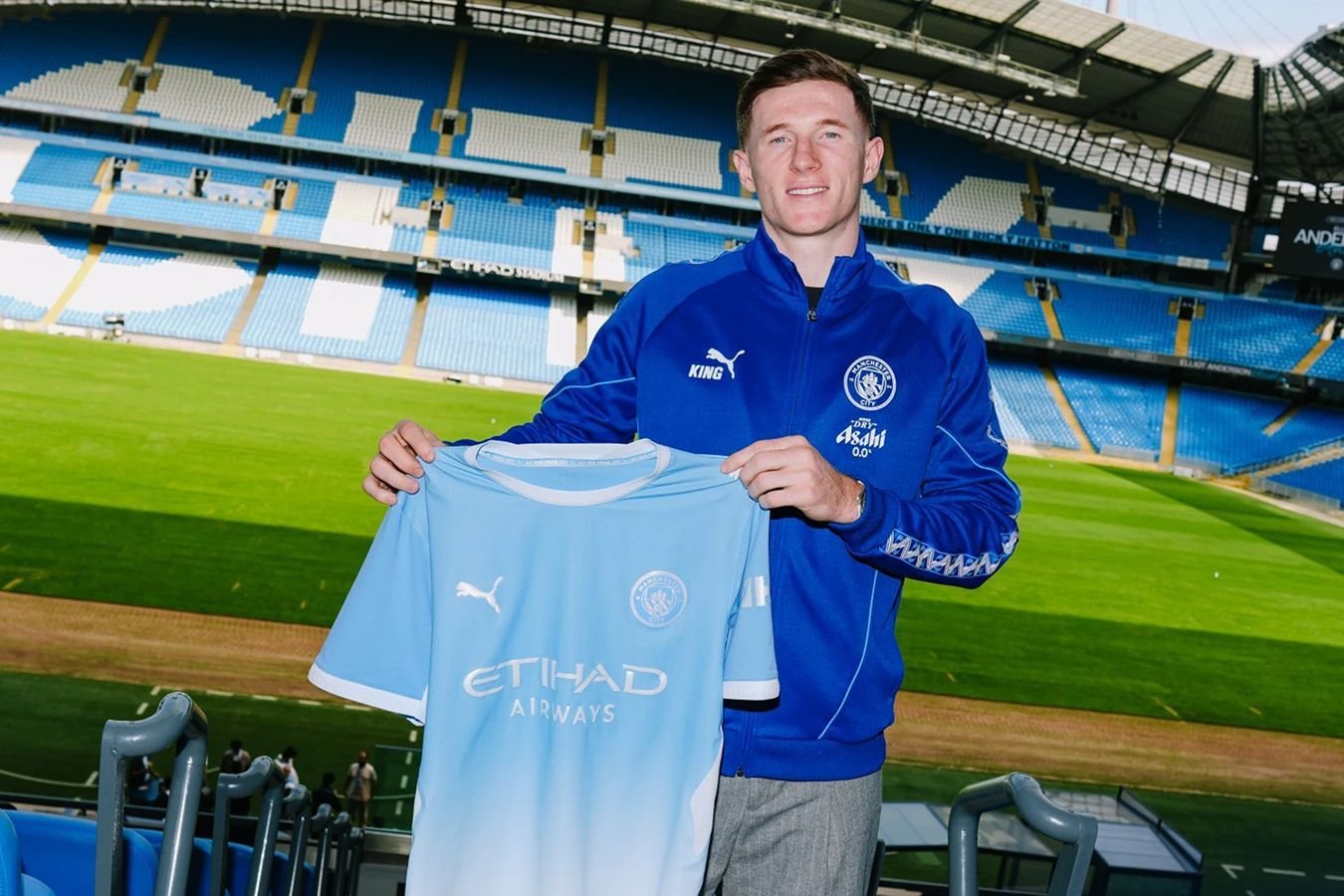
This image shows midfielder Elliot Anderson holding up a sky blue jersey after completing his transfer to Manchester City from Nottingham Forest.
This is where the case becomes bigger than Manchester City.
While Manchester City’s 115 case has remained unresolved, other Premier League clubs have had to live under financial restrictions immediately.
Newcastle United provide one of the clearest examples.
The club has had to make difficult squad decisions under the Premier League’s Profit and Sustainability Rules, including the sale of important players. Elliot Anderson’s move to Nottingham Forest for a reported £35 million was followed by his eventual transfer to Manchester City in 2026.
The Premier League confirmed City’s agreement to sign Anderson from Forest in July. That creates an extraordinary footballing circle.
A player can be sold because one club has to manage its finances under the rules and eventually end up at Manchester City.
And while that happens, the biggest financial case in Premier League history remains unresolved.
To be clear, this does not prove that Manchester City have broken the rules. That is precisely why the verdict matters.
If City are ultimately cleared, critics of the Premier League’s case will argue that the uncertainty damaged City’s reputation for years without establishing wrongdoing.
How many clubs changed their transfer plans because of PSR while waiting for a verdict?
How many players were sold?
And how many potential signings were abandoned?
How many points, trophies, or Champions League places were influenced by decisions made under financial restrictions?
Those consequences cannot simply be reversed. You cannot return a player to a club after he has been sold.
You cannot restore a transfer opportunity that disappeared because a club believed it had to comply with the rules.
That is the real competitive-fairness problem created by the delay.
The African Football Angle Nobody Should Ignore

Riyad Mahrez is a professional footballer who currently plays as a winger for Al-Ahli in the Saudi Pro League.
For African football fans, the case has a particularly interesting human dimension. Riyad Mahrez is the clearest example.
The Algeria international was a key member of Manchester City’s 115 dominant era and won multiple Premier League titles and the Champions League with the club before leaving for Saudi Arabia in 2023.
His career sits directly inside the period covered by the wider controversy surrounding City’s finances.
If historical sporting consequences were ever to arise from a guilty verdict, players who helped deliver those trophies would inevitably become part of the conversation.
Mahrez is not responsible for the financial decisions alleged by the Premier League. Neither are the other players.
That distinction is essential. Footballers sign contracts, train, play and attempt to win matches. They are not the architects of club accounting policies.
But African supporters experience football differently from a purely legal perspective.
For millions of Algerians, Egyptians, Nigerians, Ghanaians, Moroccans and fans across the continent, Premier League stars are not distant corporate assets. They are representatives of national football identities.
Mahrez’s Manchester City career is part of Algerian football history.
The same applies to the growing number of African players moving through elite Premier League clubs. Manchester City’s current squad has continued to include African talent and players connected to the continent’s football ecosystem. While the club’s recruitment remains a major reference point for ambitious African footballers.
The lesson is bigger than City.
African players increasingly occupy important positions in Europe’s most powerful clubs. African fans therefore have a direct interest in whether European football’s financial regulations are transparent, consistently enforced and capable of protecting sporting integrity.
The Manchester City’s 115-charge is testing all three.
What Happens When the Verdict Finally Comes?
The most important thing to understand is that a verdict would not necessarily end the story.
Both Manchester City and the Premier League have legal avenues available following a decision, meaning the eventual publication of the commission’s findings may begin another stage rather than immediately close the entire dispute.
That could make the timeline even longer. There are several broad possibilities. Manchester City’s 115 charge could be cleared.
That would represent an enormous victory for the club and raise serious questions about the Premier League’s decision to bring the case in the first place.
City could be found liable for some allegations but not others.
Given the scale of the case, a mixed outcome is entirely possible. The consequences would then depend on the specific findings and sanctions.
City could face serious sporting sanctions.
Depending on the findings and applicable rules, possible consequences could include financial penalties or sporting sanctions. Some commentators have discussed points deductions and even expulsion as theoretical possibilities. But no specific punishment should be treated as predetermined before the commission rules.
And then there is the question of historical titles. That is where the case could become seismic.
Manchester City won three Premier League titles during the period covered by the investigation: 2011-12, 2013-14 and 2017-18.
If a future ruling affected historical sporting records, the consequences would extend far beyond the Etihad.
Former players would be discussed. Former managers would be discussed. Rival clubs would revisit seasons they thought were finished.
And supporters would spend years arguing about what should and should not be rewritten.
The Premier League Has a Problem Even Before the Verdict
This may be the most important conclusion. The Premier League can eventually produce the correct legal outcome and still have a governance problem.
Why? Because justice delayed creates uncertainty for everyone.
The league’s financial regulations are designed to prevent clubs from gaining an unfair advantage through unsustainable spending or financial manipulation.
Those regulations only work if clubs believe three things: the rules are clear. The rules apply equally.
And violations are resolved within a reasonable period. The third principle is now under serious pressure.
Other Premier League clubs have been sanctioned for financial breaches while the most consequential case remains unresolved. The Premier League’s own chief executive has said the independent commission controls the timing, not the league.
That may be legally correct. But football governance cannot simply stop at legal correctness. It must also consider sporting consequences.
A club’s transfer strategy is built around the rules that exist today. Managers plan around budgets. Players sign contracts. Owners invest money. Supporters buy tickets and shirts.
If the regulatory system cannot establish whether one of the league’s most powerful clubs complied with its rules for years, the credibility of that system becomes increasingly difficult to protect.
Verdict: English Football Cannot Wait Forever
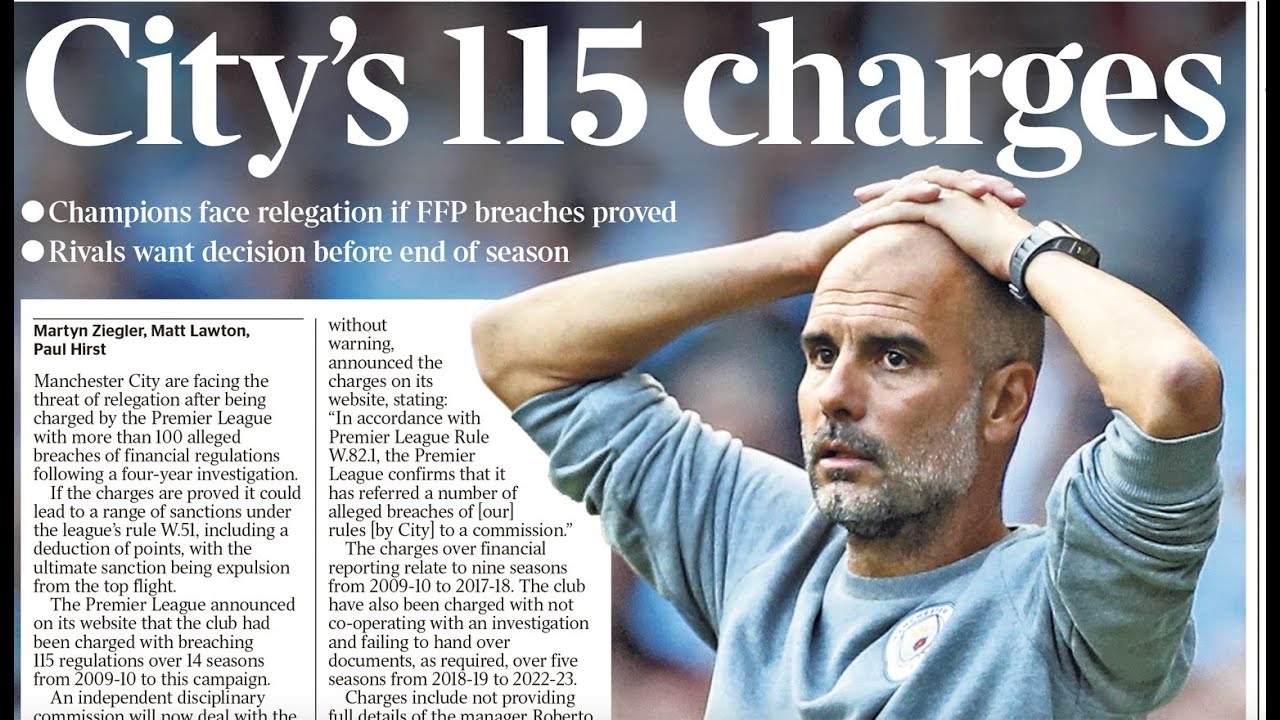
Manchester City manager Pep Guardiola looking stressed alongside a newspaper headline and list detailing the club’s alleged 115 Premier League financial breaches.
Manchester City remain innocent of the Premier League’s allegations unless and until an independent commission determines otherwise.
That principle should not be compromised.
But neither should the principle that football competitions need timely and credible regulation.
The hearing ended in December 2024. The charges were announced in February 2023.
By August 2026, there is still no publicly announced verdict.
In the meantime, Manchester City have continued competing, recruiting and building their next generation of players. Other clubs have made difficult financial decisions under the same regulatory environment.
African stars such as Riyad Mahrez have already become part of the historical conversation surrounding the era.
And the biggest question remains unanswered.
Not simply whether Manchester City’s 115-charge broke the rules.
But whether English football has built a regulatory system capable of delivering justice before another generation of football has already moved on.
The verdict must eventually come. But the longer English football waits, the harder it becomes to convince everyone that the system is working as it should.