Premier League
Liverpool Just Made A £1.65bn Move, But What Does It Really Mean For Anfield?
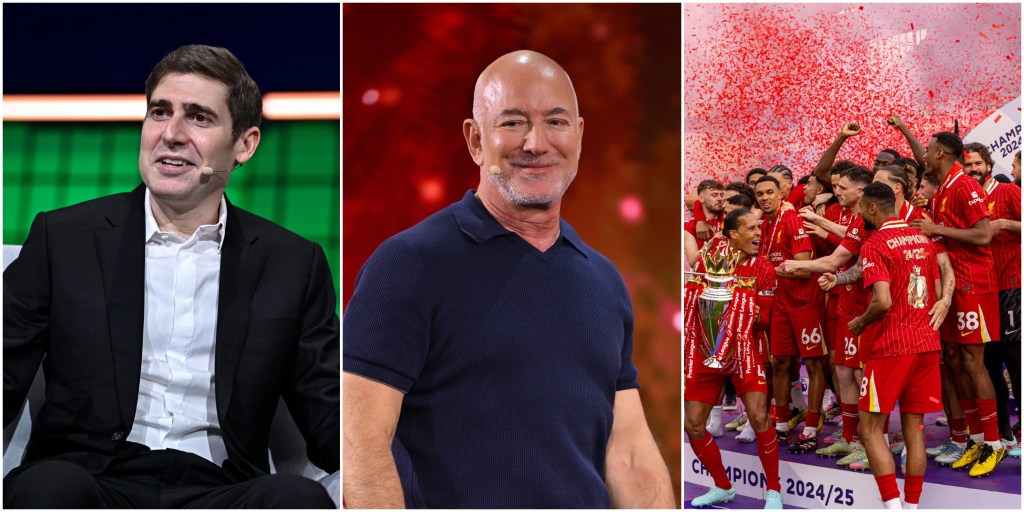
Liverpool has entered a new financial era. Fenway Sports Group has agreed to sell a 30% stake in the club to 1892 Holdings, a consortium led by British-Indian businessman Amit Bhatia and backed by Amazon founder Jeff Bezos, Facebook co-founder Eduardo Saverin and the Mittal family.
The price is extraordinary: £1.65 billion for 30% of Liverpool, valuing the club at £5.5 billion. FSG, which bought Liverpool for around £300 million in 2010, remains the majority owner and will retain operational control.
But there is another number that makes this story particularly fascinating for African football.
Zero is the number of Mohamed Salah’s Liverpool appearances that will come after this new ownership era begins.
The Egyptian has already left Anfield on a free transfer and joined Trabzonspor on a two-year contract. He departed Liverpool after nine seasons, 257 goals and a trophy collection that included two Premier League titles and the Champions League.
So while some of the world’s wealthiest investors are arriving at Liverpool, one of the most important players in the club’s modern history is watching the transformation from Turkey.
That is the real story. The £5.5 billion valuation tells us how valuable Liverpool has become.
The identities of the new investors tell us where FSG believes the club can go next.
And Salah’s absence tells us something else: Liverpool’s next chapter will have to prove that its global identity can survive without the African superstar who helped make it global.
The £1.65 Billion Deal That Changes Liverpool’s Ownership
The basic facts are remarkable.
1892 Holdings is buying 30% of Liverpool for approximately £1.65 billion, giving the club a valuation of roughly £5.5 billion. The consortium takes its name from Liverpool’s founding year, 1892, when the club was established following the split that left Anfield without a team.
But this is not a takeover in the traditional sense. FSG remains in control.
John W Henry, Tom Werner and Mike Gordon remain central to Liverpool’s ownership structure. Day-to-day operations are not changing because of the transaction, and the investment is not expected to alter Liverpool’s immediate transfer budget. Regulatory approval is still required.
That distinction matters. The headline may say Bezos has bought Liverpool. Technically, he has not.
He has invested in a consortium that has bought a minority stake in Liverpool. And Bezos himself is expected to remain a passive investor without a board seat.
The man with the most direct influence inside the new group is Amit Bhatia.
That makes this less of a Jeff Bezos story than the headline suggests. It is really an Amit Bhatia-Liverpool story with Bezos money behind it.
And that distinction could become extremely important over the next decade.
The Cast: Three Billionaires and a British-Indian
Amit Bhatia Is the Man Who Could Matter Most
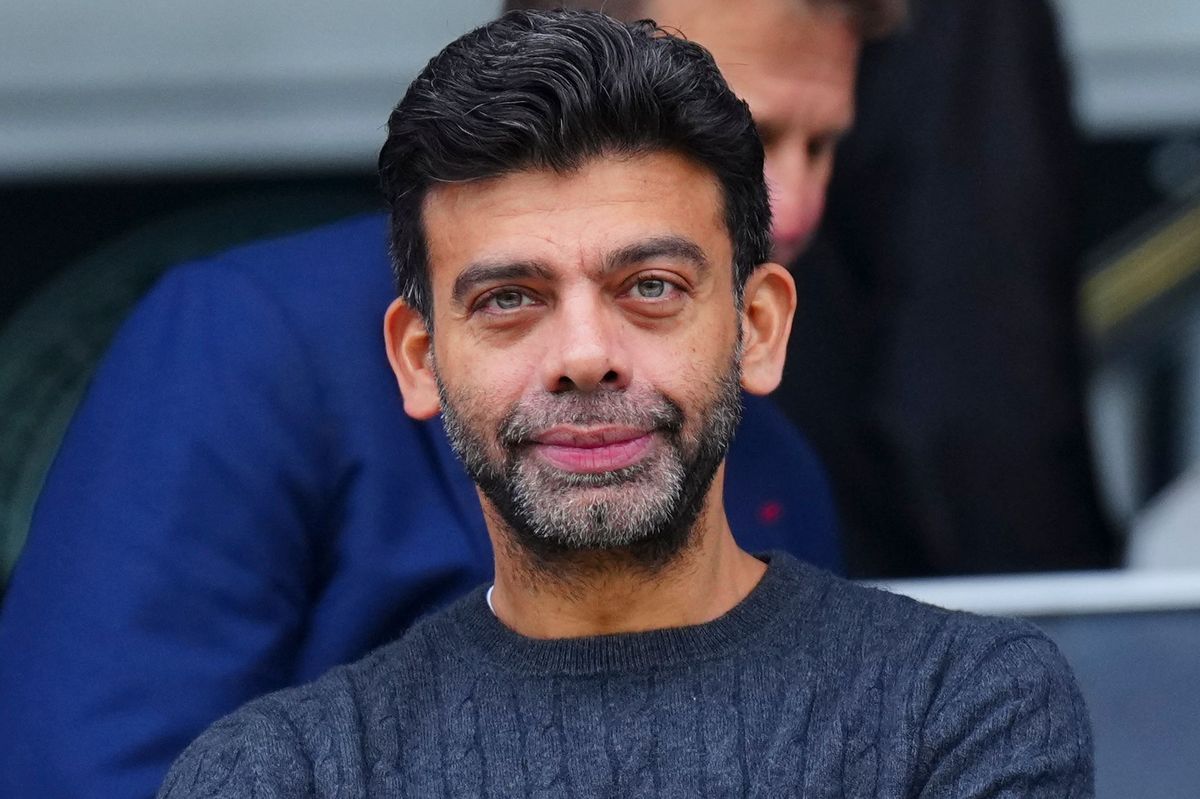
The image shows British-Indian businessman Amit Bhatia, former chairman of Queens Park Rangers.
Jeff Bezos is the biggest name attached to the transaction. Amit Bhatia may be the most important.
The British-Indian businessman initiated and led negotiations with FSG. He is the son-in-law of Indian steel magnate Lakshmi Mittal and previously held ownership and board positions at Queens Park Rangers.
Now he becomes Liverpool’s vice-chair as part of an expanded board. Elaine Saverin and Bryan Baum are also joining the board, while Bezos remains outside the boardroom.
That structure tells us something about the investment. Bhatia is not simply bringing money. He is bringing access.
India. Asia. Technology. Investment. Business relationships.
Those are precisely the areas FSG highlighted when explaining why it selected this consortium.
Liverpool already possesses one of football’s strongest global brands. The challenge now is converting that global popularity into even greater commercial revenue.
The club generated a record £703 million in revenue for the year ending May 2025, including £323 million from commercial activities.
That figure is important because Liverpool’s financial strength on the pitch is increasingly connected to what happens away from it.
Premier League and UEFA financial regulations mean clubs cannot simply spend an investor’s personal fortune without regard to their football-finance rules.
Bezos cannot simply arrive at Anfield with a cheque and tell the manager to spend another £500 million. But Bhatia, Bezos, Saverin and their networks can potentially help Liverpool create something more valuable, more revenue. And that is where this investment becomes strategically interesting.
Why India and Asia Could Be the Real Prize for Liverpool
The most revealing part of the deal may not be Bezos. It may be India.
FSG has specifically identified India and Asia as markets where the consortium could create new opportunities for Liverpool.
This is logical. Liverpool already has enormous international recognition. The next question is how much commercial value can be extracted from that popularity without damaging the identity that created it.
Bhatia offers something most American investors cannot easily provide: deep cultural and business connections to India and the wider Asian market.
For Liverpool, that potentially means new sponsorships, partnerships, commercial ventures, digital products and supporter engagement.
The opportunity is enormous. India has a population of more than a billion people and a rapidly expanding football audience. While the Premier League has spent years building its position as one of the country’s most recognisable football properties.
Liverpool does not need to become an Indian club. It needs to become more valuable in India while remaining unmistakably Liverpool.
That is the balance Bhatia and FSG will have to find. And it is arguably one of the biggest tests facing this new ownership partnership.
Then There Is Jeff Bezos And the Amazon Question
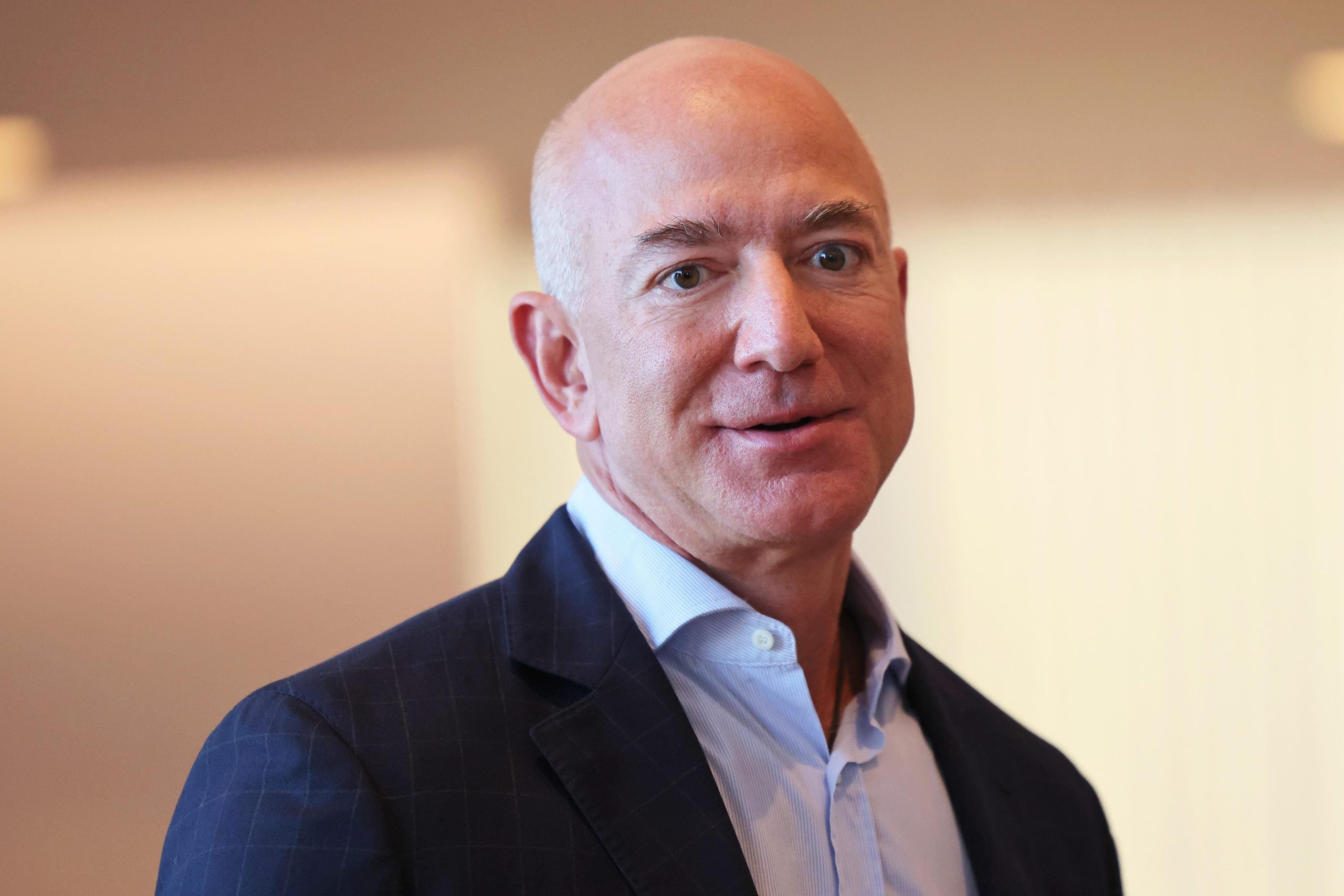
American businessman and billionaire Jeff Bezos, the founder and executive chairman of Amazon.
Bezos brings something entirely different. He brings scale.
His personal wealth is estimated at around $272 billion, making him one of the richest people on the planet. But his most interesting asset for Liverpool may not be his bank account.
It is Amazon. Amazon has already developed a major relationship with sport through broadcasting and streaming.
That creates an obvious question:
Could Liverpool become increasingly integrated into Amazon’s global sports ecosystem?
That does not mean Amazon is suddenly going to own Liverpool’s matches or that Prime Video will automatically become the club’s next broadcaster.
There is no evidence of such an arrangement in the confirmed transaction. But the strategic possibilities are obvious. Liverpool produces enormous amounts of content.
Behind-the-scenes footage, player documentaries, Academy stories, Women’s football, historic matches Interviews Training content, and Global supporter stories.
Amazon understands how to turn sports audiences into digital audiences.
Liverpool understands how to create one of the world’s most powerful football communities.
The combination is potentially enormous. And this is where Bezos’ investment could become more significant than his percentage ownership suggests.
Eduardo Saverin Adds Another Technology Layer
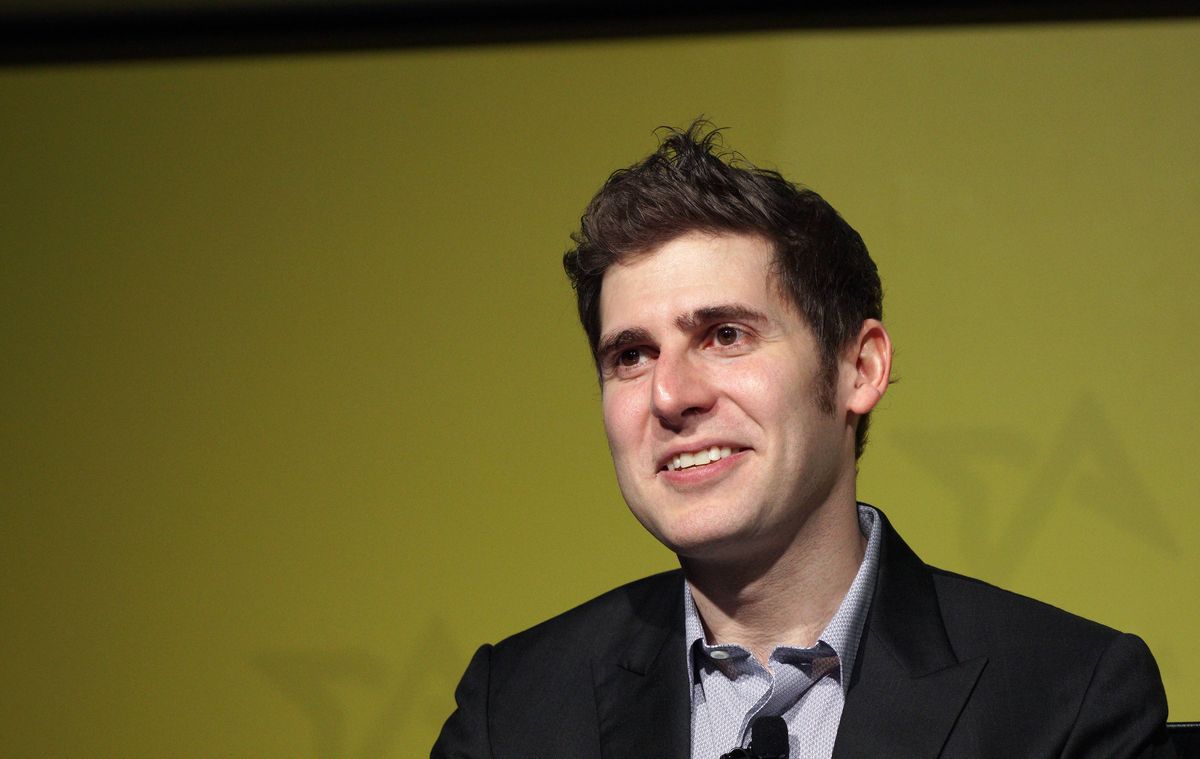
This image shows Brazilian entrepreneur and Facebook co-founder Eduardo Saverin.
Then there is Eduardo Saverin. The Facebook co-founder is another billionaire whose involvement gives the consortium a technology and investment dimension.
But unlike Bezos, Saverin’s involvement is also represented at board level through his wife, Elaine Saverin, who will join Liverpool’s expanded board. Bryan Baum of K5 Global will also join.
That creates an unusual ownership structure. FSG remains the football authority. Bhatia provides the central leadership for the investment consortium.
Bezos provides extraordinary financial and technological credibility. Saverin provides another Silicon Valley connection.
And the Mittal family provides access to one of India’s most powerful business networks.
This is not simply a collection of rich people buying a football club. It is a collection of different networks being connected to one football institution.
That is what makes the deal potentially transformative.
The Salah Question Nobody Can Avoid
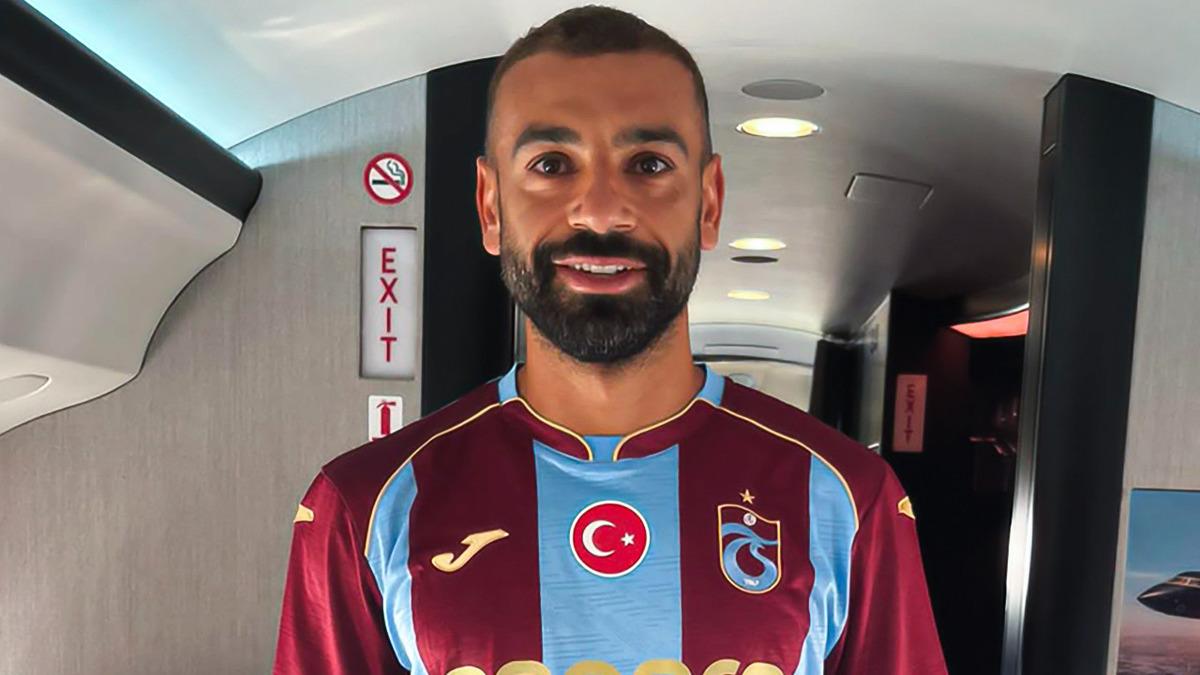
Mohamed Salah smiling inside a private jet wearing the claret and blue Trabzonspor home jersey during his transfer unveiling.
And then we arrive at Mohamed Salah.
This is where the story becomes much more important for African football. Salah left Liverpool this summer after nine years at Anfield and subsequently joined Trabzonspor on a free transfer. He scored 257 goals for Liverpool, making him third on the club’s all-time scoring list behind Ian Rush and Roger Hunt.
But Salah’s importance cannot be measured simply by his position on a goalscoring table. He changed Liverpool’s global identity.
When Salah arrived from Roma in 2017, Liverpool were already a historic European giant. But Salah became something else.
He became a bridge between Liverpool and millions of football supporters who previously had no personal connection to the club.
In Egypt, Liverpool became Salah’s club.
Across North Africa, the Middle East and large parts of sub-Saharan Africa, Liverpool became a weekly destination.
And Salah’s influence was not simply about goals. He became a symbol.
An Egyptian succeeding at the highest level of European football. An African superstar playing a central role in Premier League and Champions League history.
A Muslim footballer whose identity was visible rather than hidden. A player whose success gave millions of young African football supporters a direct emotional connection to one of Europe’s biggest clubs.
That commercial value is difficult to put into a spreadsheet. But pretending it does not exist would be equally unrealistic.
How Salah Helped Liverpool Reach £5.5bn
There is an important distinction here.
It would be inaccurate to say Mohamed Salah personally made Liverpool worth £5.5 billion. He did not.
Liverpool’s valuation is the product of many things: history, stadium development, commercial partnerships, broadcast income, sporting success, global brand strength, infrastructure, management, ownership strategy and decades of accumulated value.
But it would also be inaccurate to pretend Salah played no role.
Liverpool’s own financial results show how powerful the club’s commercial and media machine has become. Revenue reached £703 million in the year to May 2025, with commercial revenue at £323 million.
Salah was one of the most visible faces of that global commercial expansion.
He was the player appearing on screens in Cairo, Lagos, Accra, Nairobi and Casablanca. He was the shirt being worn by children who had never visited Merseyside.
And he was the name African supporters searched for.
He was the player who turned Liverpool’s success into something personal for millions of people. That contribution cannot be assigned a precise monetary value. But it matters.
What Changes on the Pitch?
For Liverpool supporters hoping that Bezos’ arrival means an immediate transfer-market explosion, the answer is disappointing.
The investment does not automatically become transfer budget.
Liverpool’s spending remains governed by the financial rules that apply to Premier League and UEFA clubs. The transaction itself is not expected to change the club’s summer transfer strategy.
Instead, the potential benefit is longer-term. More commercial income can eventually mean greater financial flexibility.
That matters because Liverpool already operates at enormous scale. The club generated £703 million in revenue in its latest published accounts. Media revenue was £264 million, matchday revenue £116 million and commercial revenue £323 million.
The next phase is about increasing those numbers. If the Bhatia-led consortium succeeds in opening new markets, the football department could eventually benefit from a larger and more diversified revenue base.
But supporters should not expect a Bezos transfer fund.
This is an investment in the business of Liverpool, not an immediate cheque for the manager.
The Verdict: Liverpool’s Big Opportunity
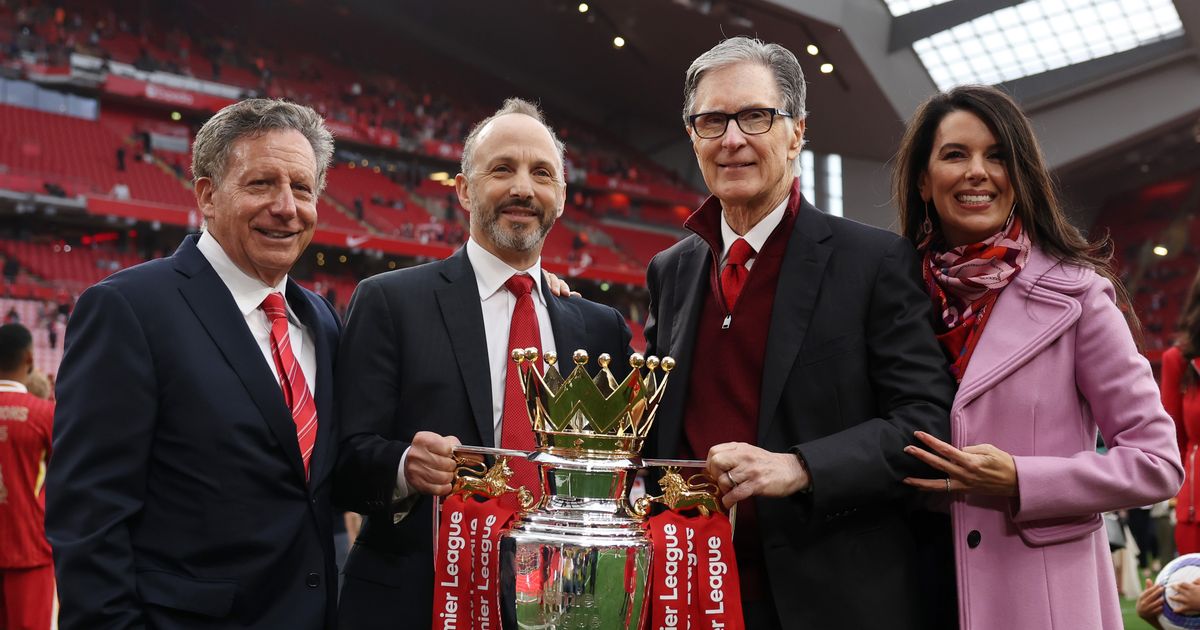
Tom Werner, Billy Hogan, John W. Henry, and Linda Pizzuti Henry holding the Premier League trophy at Anfield stadium.
Liverpool’s £1.65 billion minority investment is not a takeover. It is something potentially more interesting.
It is a bet on Liverpool’s next stage of global growth. Amit Bhatia brings football experience and deep Indian connections.
Jeff Bezos brings extraordinary wealth and a technology empire.
Eduardo Saverin brings Silicon Valley experience. The Mittal family brings industrial and commercial reach.
FSG keeps control. And Liverpool brings the thing all of them cannot manufacture themselves: a global football identity.
The club now has a £5.5 billion valuation, record revenue of £703 million and a new group of investors looking toward markets such as India and Asia.
But for African football, there is a bittersweet truth. The new Liverpool era begins without Mohamed Salah.
The Egyptian King has moved to Trabzonspor after nine extraordinary years on Merseyside. He leaves behind 257 goals and a place among Liverpool’s three greatest goalscorers.
He did not build Liverpool’s £5.5 billion value alone. But he helped make Liverpool feel like Africa’s club.
Now the new investors have to prove they understand that connection and that Liverpool’s future in Africa is bigger than the presence of one superstar.
The opportunity is enormous. But Liverpool’s greatest challenge is not becoming richer.
It is becoming bigger without becoming less Liverpool.