Champions League
Omar Artan: How Somalia’s Referee Turned World Cup Heartbreak Into UEFA History
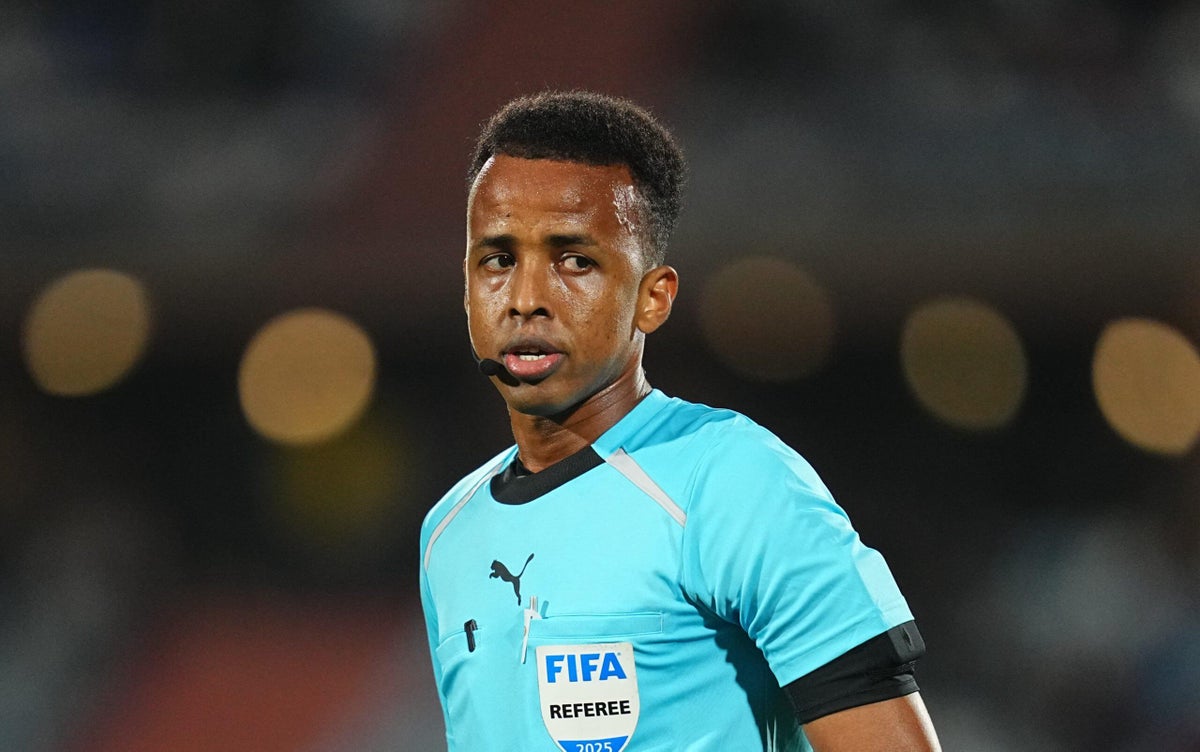
Somali referee Omar Artan was supposed to make history at the 2026 FIFA World Cup.
The Somali referee had already done the hard part. He had earned his FIFA international badge, established himself among Africa’s leading officials, won the CAF Men’s Referee of the Year award in 2025, and was selected for football’s biggest tournament.
Then the World Cup dream disappeared. Omar Artan was denied entry into the United States in June and was subsequently unable to officiate at the tournament. FIFA confirmed that he would not be able to train or officiate at the World Cup.
For most referees, that could have been the defining disappointment of a career.
For Omar Artan, it became the beginning of something even more historic.
On Wednesday, 12 August, the 34-year-old Somali will take charge of Paris Saint-Germain against Aston Villa in the UEFA Super Cup in Salzburg, Austria. UEFA’s appointment makes Artan the first non-European referee to officiate the competition.
The World Cup door closed. Artan has now opened another one. And this time, the whole of African football is watching.
From Somalia to the Centre of European Football
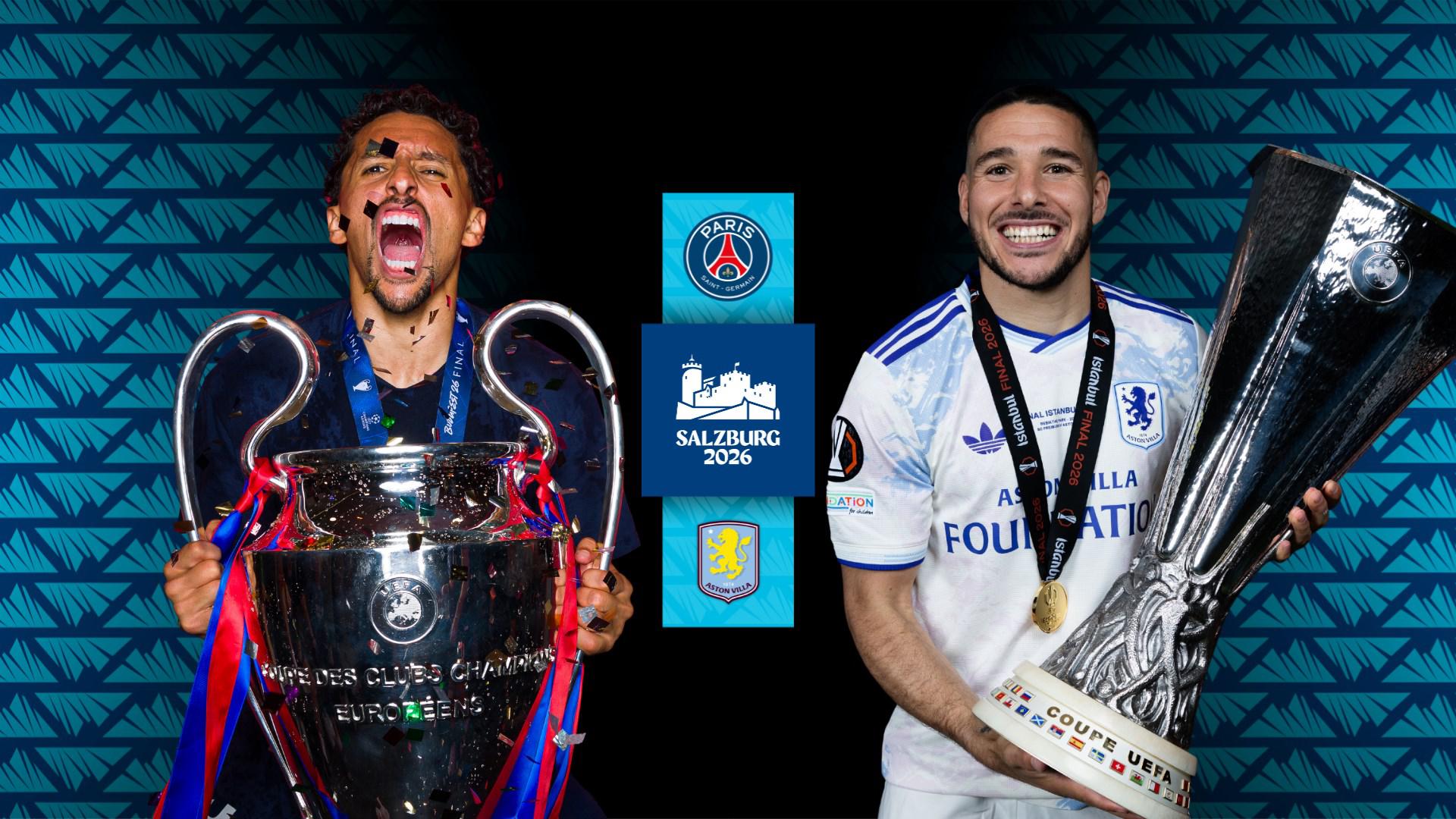
The 2026 UEFA Super Cup match between UEFA Champions League holders Paris Saint-Germain and UEFA Europa League winners Aston Villa, set for Wednesday, August 12, 2026, at the Stadion Salzburg in Salzburg, Austria.
Omar Abdulkadir Artan’s rise matters because of where he comes from.
Somalia is not traditionally associated with producing officials for the highest levels of international football. The country has never qualified for a men’s FIFA World Cup, while its domestic football infrastructure operates far away from the enormous commercial and sporting ecosystems surrounding European football.
Yet Omar Artan has steadily forced his way into conversations that once seemed almost impossible.
He has been on FIFA’s international referees list since 2018. In 2024, he became the first Somali referee to officiate at the Africa Cup of Nations. He subsequently reached an even higher level when he became the first Somali official to take charge of a CAF Champions League final.
Then came perhaps the strongest confirmation of his standing.
CAF named him its Men’s Referee of the Year for 2025. That award was not a sympathy prize or a symbolic gesture for Somalia. It was recognition that a referee from one of Africa’s less prominent football nations had reached the top of his profession on the continent.
And that distinction is important. African football has produced legendary players from Nigeria, Cameroon, Ghana, Senegal, Egypt, Ivory Coast and Morocco. It has produced world-class coaches and goalkeepers.
But refereeing has rarely received the same global attention. Omar Artan is changing that.
His story tells young African officials that geographical disadvantage does not have to determine professional ambition.
A referee can begin in Somalia and eventually stand in the middle of a match involving Europe’s biggest clubs.
That is what makes Wednesday’s appointment bigger than one football match.
The World Cup Dream That Was Taken Away from Omar Artan
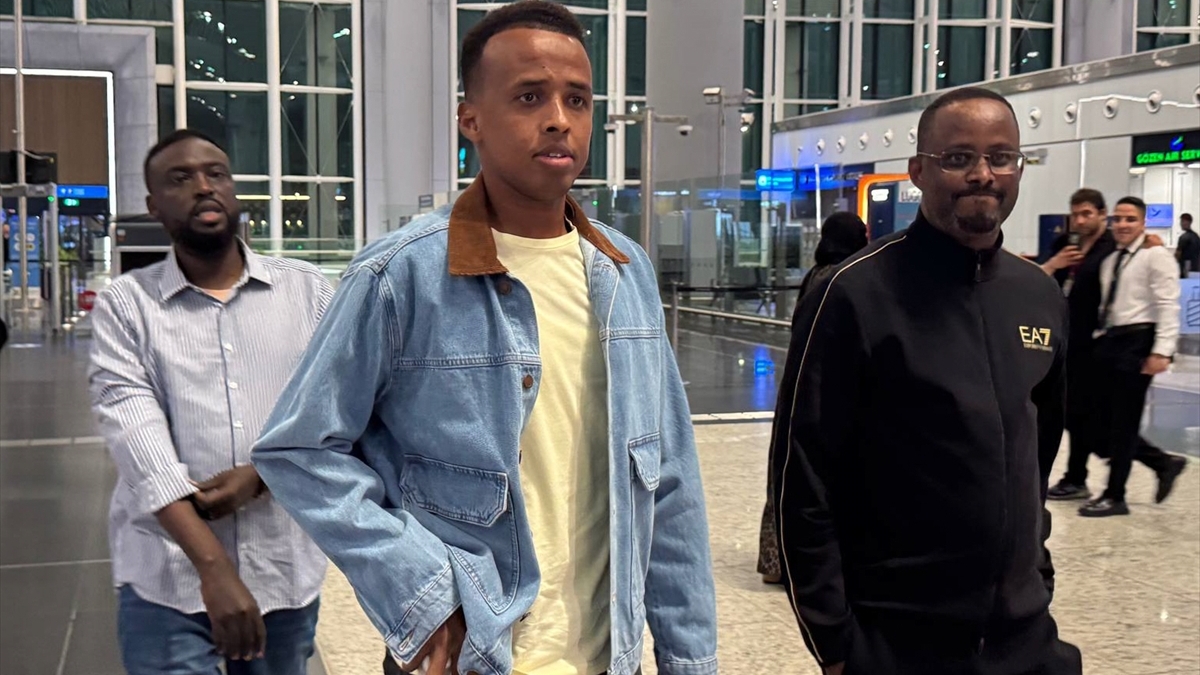
Somali football referee Omar Abdulkadir Artan,
The timing makes Artan’s UEFA Super Cup appointment even more remarkable.
In April, FIFA selected him among the match officials for the 2026 World Cup. He was set to become the first Somali referee to officiate at the tournament. UEFA later confirmed that he had been unable to participate after being prevented from entering the United States.
Artan’s situation became one of the most uncomfortable stories surrounding the tournament.
He had reached the stage every referee dreams about, only for circumstances outside the football pitch to prevent him from taking part.
The Somali Football Federation said it was deeply disappointed by the situation and described his World Cup selection as a historic achievement for the country. It also said it had not received official information detailing the exact reasons behind what happened at that stage.
Omar Artan later described the period as extremely difficult. That reaction is understandable.
Imagine spending years climbing through domestic competitions, CAF tournaments and FIFA assignments.
Imagine arriving at the host country and being unable to continue the journey. For an athlete, that is devastating.
For a referee, it is particularly painful because the opportunity may only come once.
At 34, Omar Artan is still relatively young by elite refereeing standards. But World Cup appointments are not guaranteed return. Instead, the story changed.
Then UEFA Made an Extraordinary Decision on Omar Artan
This is where Omar Artan’s story takes an unexpected turn. UEFA could have simply moved on.
Instead, after discussions with CAF, European football’s governing body appointed Omar Artan to referee the UEFA Super Cup. UEFA said the decision was made within the framework of a cooperation agreement between UEFA and CAF designed to strengthen collaboration between the two confederations, including in refereeing.
The symbolism is difficult to ignore. Omar Artan was denied the opportunity to referee at a World in the United States.
Now he is travelling to Europe to referee a match involving the winners of the Champions League and Europa League.
That is not a consolation prize. It is an elite appointment.
Paris Saint-Germain enter the match as Champions League winners, while Aston Villa are the Europa League holders. Omar Artan therefore finds himself at the centre of a match involving two clubs that represent the very top of European club football.
And the historic element is clear. He will become the first non-European referee to take charge of the UEFA Super Cup.
That means a Somali official who was unable to reach the World Cup will instead walk into European football history.
There is a lesson in that which extends far beyond Omar Artan himself. Sometimes football does not give you the opportunity you expected.
Omar Artan Is Carrying More Than a Somali Flag
For Somali football supporters, Artan’s appointment is enormous. But his significance goes beyond Somalia.
He represents a continent that continues to fight for greater recognition in football’s decision-making structures, coaching pathways, officiating systems and technical development.
African referees have often been judged primarily within African competitions.
Artan’s appointment challenges that separation. A CAF referee is about to take charge of one of UEFA’s most prestigious annual fixtures. And he will not be alone.
Omar Artan will be assisted by Djibouti’s Liban Abdoulrazack Ahmed and Kenya’s Stephen Eleazar Onyango Yiembe, giving the match an African officiating dimension that would have been almost unthinkable in previous generations.
That matters. It means Wednesday’s match is not simply about one Somali referee.
It is about African officials being trusted on a European stage.
For young referees watching from Nairobi, Mogadishu, Lagos, Accra, Cairo, Dakar or Johannesburg, the message is powerful. The ceiling can be higher than your continent.
African football does not have to remain a supplier of players to Europe while its officials remain invisible. Omar Artan is demonstrating that the pathway can work in the other direction too.
Omar Artan: The Referee Who Had to Learn to Start Again
There is another part of Artan’s story that deserves attention. After missing the World Cup, he did not disappear from football.
He went back to work. Ahead of the Super Cup, Artan prepared by officiating matches in Somalia and the Kuwaiti Premier League. He has also spoken about the preparation required to understand teams, tactics and player behaviour before taking charge of major matches.
That detail says a lot about his mentality. It would have been easy to allow the disappointment of the World Cup to consume him.
Instead, he returned to refereeing. That is perhaps the most impressive part of the entire story.
The biggest test of a referee is not always what happens when everything goes right. Sometimes it is what happens after the biggest opportunity of your career disappears.
Artan’s response has been to work. And now he has another major appointment.
The UEFA Super Cup will test him in a completely different environment. PSG and Aston Villa bring elite-level players, enormous tactical expectations, and global scrutiny.
There will be no room for sentiment once the whistle blows. Omar Artan knows that. His job is not to make history during the match. His job is to disappear into it.
The best referee is usually the one fans barely notice because the decisions are accurate, consistent, and authoritative.
That will be Artan’s challenge.
Why This Could Be Bigger Than the World Cup
There is an argument that Artan’s UEFA Super Cup appointment could ultimately have a more lasting effect on African refereeing than simply appearing at the World Cup.
That may sound strange. The World Cup is football’s biggest tournament.
But a World Cup appointment would have placed Artan among hundreds of officials and participants in a huge multinational tournament.
The UEFA Super Cup is different
And he is doing it as a Somali. That distinction creates visibility.
UEFA itself described Omar Artan as an experienced referee who had established himself at the highest level of African football. UEFA president Aleksander Čeferin praised his ability and said football should connect people. CAF president Patrice Motsepe likewise described the appointment as an honour for Artan and African referees.
This is where the appointment becomes potentially transformative.
If Omar Artan performs well, African referees will have another powerful example that elite appointments can cross confederational boundaries.
That could encourage greater cooperation between CAF and UEFA. It could create more opportunities for African officials to work in European competitions. The continent does not lack talented officials.
It lacks enough opportunities for those officials to prove themselves outside familiar territory. Omar Artan has just been handed one of the biggest possible platforms.
Somalia’s Football Story Is Changing

Somali football referee Omar Abdulkadir Artan holds the trophy after being named the 2025 CAF Men’s Referee of the Year at the CAF Awards.
There is also a larger Somali football story developing here. Somalia has never had the football infrastructure or international success of Africa’s traditional powerhouses.
That makes Artan’s journey unusually significant. He is not following a well-established pipeline created by generations of Somali referees at the highest level.
He is creating the pipeline himself. His career provides a reference point for the officials coming behind him.
A young referee in Somalia can now look at Artan and see something concrete.
FIFA badge. AFCON. CAF Champions League final. CAF Referee of the Year. World Cup selection. UEFA Super Cup.
That sequence changes expectations. The phrase “it is impossible” becomes much harder to defend.
And this is why African football should pay attention.
The development of football on the continent cannot be measured only by how many players move to Europe.
It should also be measured by how many African coaches, referees, analysts, administrators and technical experts can reach the highest levels of the global game.
Omar Artan is one of those people.
The African Refereeing Barrier Has Not Disappeared
There is, however, an important warning. One appointment does not mean the barrier has been completely broken.
African refereeing still faces structural challenges. Development pathways vary significantly between countries. Domestic competitions often lack resources. Referees may have limited access to technology, elite training facilities and international exposure.
Financial constraints can also make it difficult for officials to build the kind of professional preparation expected at the highest level.
That is why Artan’s story should not end with Wednesday’s match. CAF needs to turn moments like this into a pathway.
If a Somali referee can reach a UEFA Super Cup, what happens if CAF deliberately identifies 20 more young officials from across the continent and gives them access to elite training, exchange programmes and regular high-level appointments?
What happens if refereeing exchanges between Africa and Europe become normal rather than exceptional?
What happens if the next Artan does not have to wait a decade for an opportunity?
African football should also ask how to reproduce his success.
Verdict: Omar Artan Has Already Won the Bigger Battle
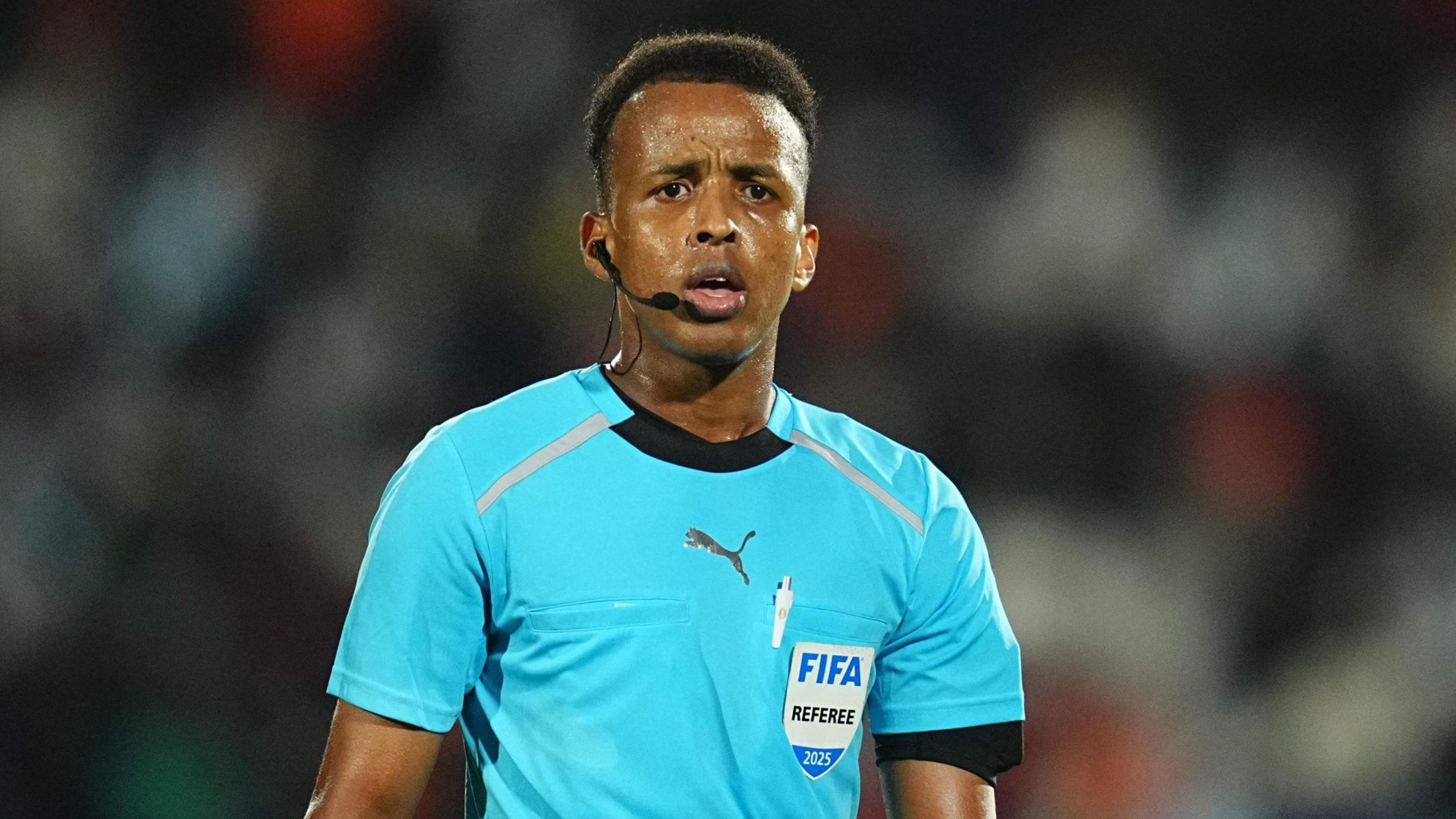
Omar Abdulkadir Artan, a highly regarded professional football referee from Somalia.
Omar Artan will walk onto the pitch in Salzburg on Wednesday as the first non-European referee to officiate the UEFA Super Cup.
That alone is history. But the story is more powerful because of what happened before it.
He never got the chance to referee in World Cup 2026. Instead of allowing that disappointment to define his career, he returned to work.
And UEFA responded with an appointment that has created another historic first. For Somalia, this is a moment of enormous national pride.
For Africa, it is evidence that its referees can command the same stage as its greatest players.
And for the next generation of African officials, Omar Artan’s journey sends perhaps the most important message of all.
And football has given him another stage. And when he walks out to referee PSG against Aston Villa, a Somali referee will not simply be representing himself.
He will be carrying the expectations of a country, the pride of a continent and the possibility of an entirely different future for African refereeing.
Omar Artan did not get his World Cup moment. He got something else: a chance to make European football history.