World Cup 2026
Africa’s Historic 2026 World Cup Moment: 10 Teams, New Era, New Ambitions
The countdown to the 2026 FIFA World Cup is officially on, and excitement is rising across the globe as fans prepare for an unprecedented tournament.
It is hosted across Canada, the United States, and Mexico. This edition of football’s biggest event will be historic for many reasons.
But one milestone stands out above all for African football the continent will be represented by 10 national teams for the first time.
This expansion is more than an administrative adjustment. It is a recognition of Africa’s rising competitiveness, structural growth, and consistently improving quality at the elite level.
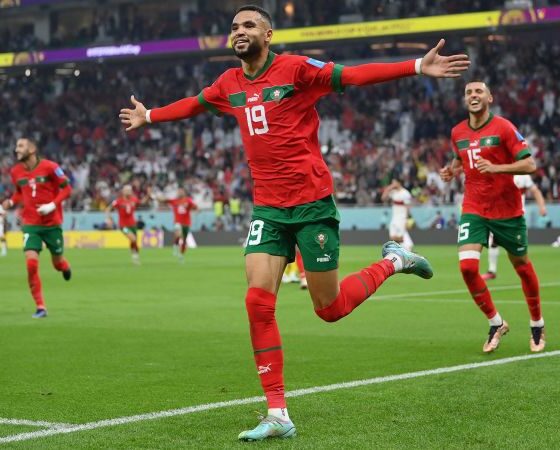
With Morocco’s semifinal heroics in 2022 still fresh in global memory, African football enters this new era with belief and expectation.
Below is a deep dive into this historic moment, the teams heading to North America. And the three African nations that could shock the world once the tournament kicks off.
A New Era for African Football
The World Cup’s expansion to 48 teams has opened the door for emerging nations, and Africa has taken full advantage.
Senegal, Morocco, Egypt, Ghana, Algeria, Tunisia, Côte d’Ivoire, Cape Verde, South Africa, and finally DR Congo have sealed their places.
The qualification of DR Congo, achieved through a dramatic playoff victory over Jamaica, completed Africa’s lineup. It also marked the country’s first return to the tournament since 1974, when it competed as Zaire.
This moment signals more than quantity it signals progress. Investments in talent development, coaching, and domestic leagues are beginning to reshape the continent’s footballing landscape.
Nations that previously hovered at the fringe of qualification now stand shoulder-to-shoulder with established African heavyweights.
The Rise in Competitiveness
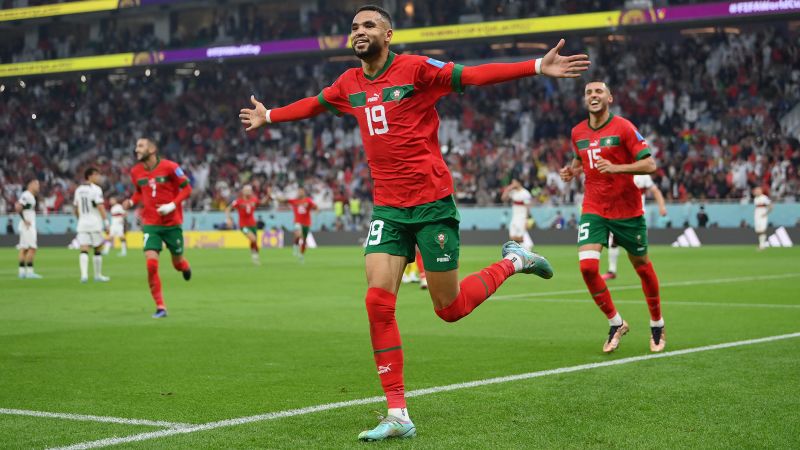
African teams have been building towards this moment for years. The Atlas Lions of Morocco shattered barriers in 2022 by becoming the first African team to reach a World Cup semifinal.
Their success brought renewed respect for African football and demonstrated that tactical discipline, elite coaching, and squad depth were no longer weaknesses but strengths.
Other nations have also elevated their standards. Senegal remains a formidable force, and Egypt continues to blend experience with youthful talent. And Ghana and Algeria have rebuilt impressively after setbacks in recent World Cups. The inclusion of debutants like Cape Verde adds new layers of intrigue and excitement.
Teams That Could Surprise the World
Beyond the continent’s traditional giants, several African teams have the potential to upset predictions on the global stage. Here are three that may surprise fans and analysts alike in North America.
South Africa: Cohesion and Momentum
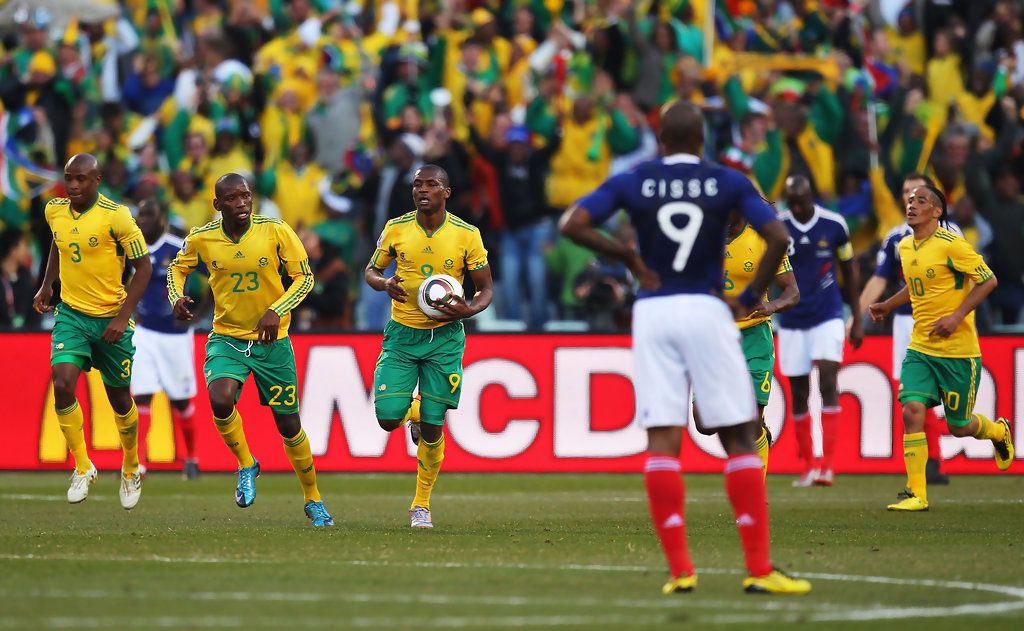
South Africa national soccer team, nicknamed Bafana Bafana, celebrating a goal.
After a 16-year absence, South Africa is back on the world stage, and their return carries a feel-good momentum. One of the team’s major strengths is cohesion.
The core of the squad comes from Mamelodi Sundowns and Orlando Pirates, two dominant forces in the South African Premiership whose players know each other intimately.
The presence of Lyle Foster in attack and the dynamism of Mohau Nkota add further quality. Despite being drawn into a challenging group with Mexico, the Czech Republic, and South Korea. The Bafana Bafana have already shown they can defy expectations.
Finishing above Nigeria in their qualifying group is evidence that their ceiling is higher than many assume.
Ivory Coast: Power, Balance, and Big-Game Temperament
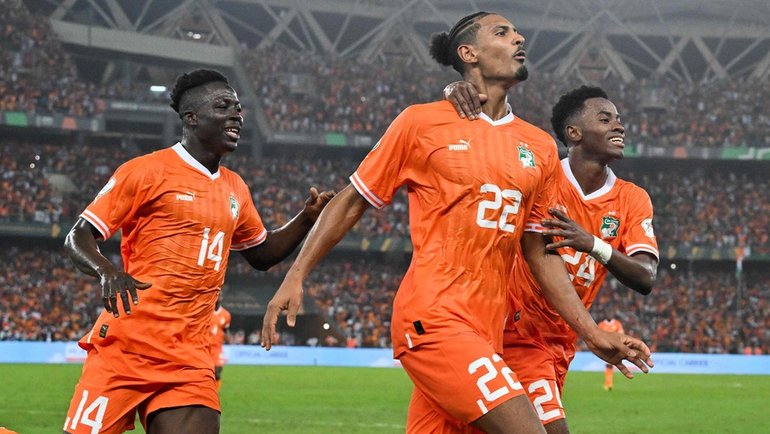
Ivory Coast national football team celebrating their victory at the 2023 Africa Cup of Nations
Fresh off winning AFCON 2023, Côte d’Ivoire travels to North America with swagger and serious talent across all lines. Their midfield boasts the steel of Franck Kessié and Ibrahim Sangaré.
Their attack features the flair of Amad Diallo and the rising star Yann Diomande.
But it is their defence that may be their biggest weapon. Evan N’Dicka, Odilon Kossounou, and Wilfried Singo form one of the most balanced and physically imposing defensive units in the tournament.
Their pre-World Cup friendlies including a commanding 4–0 win over South Korea show their readiness. Grouped alongside Germany and Ecuador, the Elephants will likely battle for second place but possess enough quality to shock even the favourites.
DR Congo: The Dark Horse No One Saw Coming
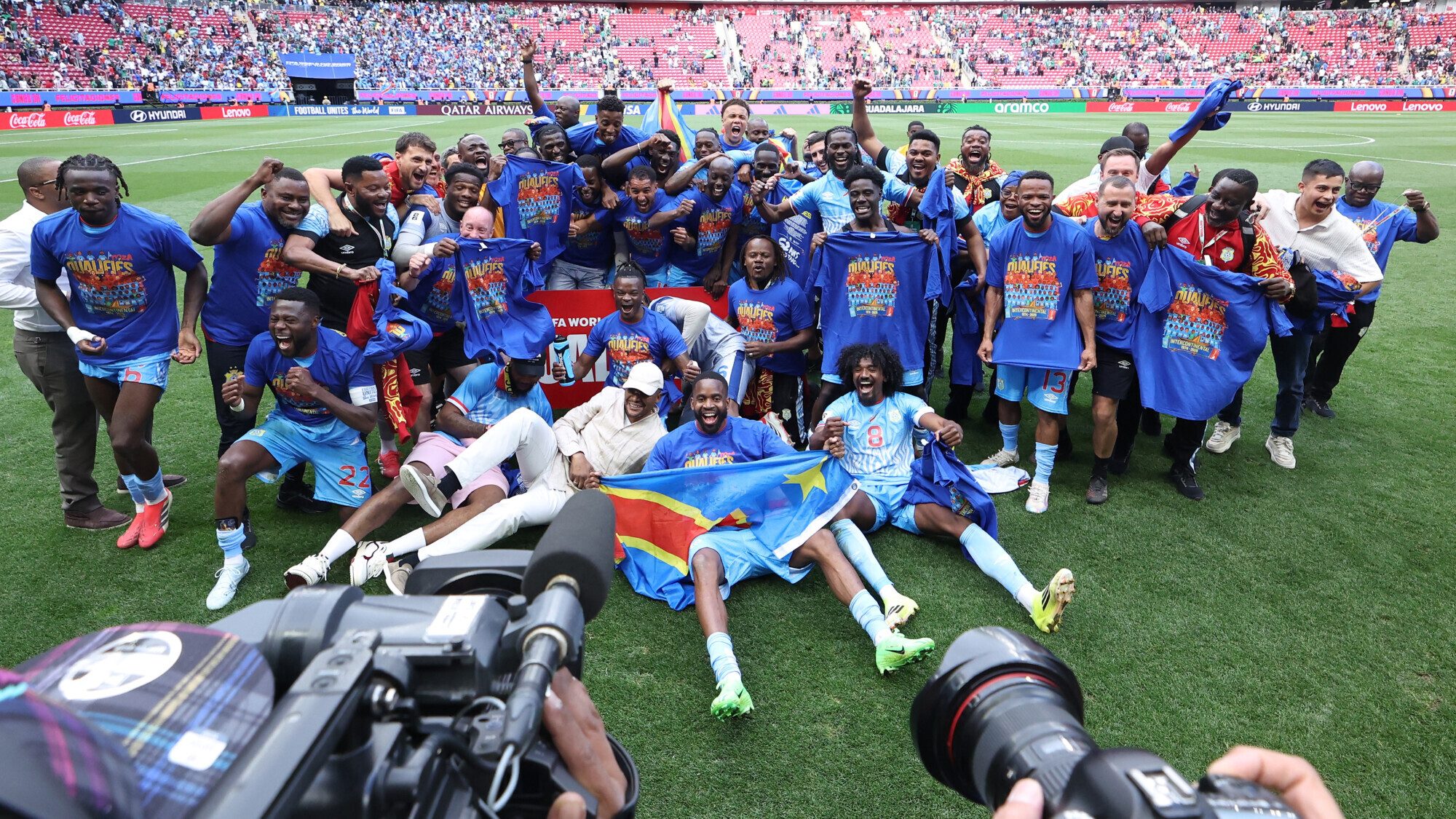
DR Congo national football team celebrating their qualification for the 2026 FIFA World Cup after defeating Jamaica in a playoff match.
The DR Congo returns to the World Cup after 52 years, and although they may not be household favourites. They have repeatedly shown their resilience.
Their AFCON performance holding Senegal and pushing Algeria to the brink revealed a defensively disciplined and mentally tough side.
With Premier League talents like Yoane Wissa, Aaron Wan-Bissaka, and Noah Sadiki, their squad carries both athleticism and European-level experience.
Their group is also promising. Portugal and Colombia have both shown vulnerabilities. While Uzbekistan is a team the Leopards are capable of outmatching.
If they replicate their gritty, suffocating defensive style, progression to the knockout phase is a real possibility.
Detailed Profiles of Africa’s 10 World Cup Teams
South Africa
Captain: Ronwen Williams
Head coach: Hugo Broos
FIFA ranking: 60
World Cup appearances: 4
Notable moment: Hosting the 2010 World Cup and Tshabalala’s iconic opening-match goal.
Morocco
Captain: Achraf Hakimi
Head coach: Mohamed Ouahbi
FIFA ranking: 8
World Cup appearances: 7
Notable moment: First African and Arab semifinalists in 2022.
Côte d’Ivoire
Captain: Franck Kessié
Head coach: Emerse Faé
FIFA ranking: 34
World Cup appearances: 4
Notable moment: Three consecutive appearances from 2006 to 2014.
Tunisia
Captain: Ferjani Sassi
Head coach: Sabri Lamouchi
FIFA ranking: 44
World Cup appearances: 7
Notable moment: First African team to win a World Cup match, in 1978.
Egypt
Captain: Mohamed Salah
Head coach: Hossam Hassan
FIFA ranking: 29
World Cup appearances: 4
Notable legacy: First African nation ever to appear in a World Cup, in 1934.
Cape Verde
Captain: Ryan Mendes
Head coach: Bubista
FIFA ranking: 69
World Cup appearances: 1
Historic milestone: Their debut appearance.
Senegal
Captain: Kalidou Koulibaly
Head coach: Pape Thiaw
FIFA ranking: 14
World Cup appearances: 4
Iconic moment: Beating defending champions France in 2002.
Algeria
Captain: Riyad Mahrez
Head coach: Vladimir Petković
FIFA ranking: 28
World Cup appearances: 5
Historic moment: The shocking 2–1 win over West Germany in 1982.
DR Congo
Captain: Chancel Mbemba
Head coach: Sébastien Desabre
FIFA ranking: 46
World Cup appearances: 2
Unique history: Returning for the first time since competing as Zaire in 1974.
Ghana
Captain: Jordan Ayew
Head coach: Carlos Queiroz
FIFA ranking: 74
World Cup appearances: 5
Most memorable moment: Reaching the 2010 quarterfinals after the infamous Luis Suárez handball.
What the 2026 Tournament Means for Africa’s Future
This World Cup is more than a competition. It is a landmark moment that validates years of growth, investment, and belief. With 10 representatives, Africa will not only be present in record numbers but will carry the weight of expectation.
Young talents across the continent will watch their nations compete on the biggest stage, inspiring future professionals and strengthening local football ecosystems. The increased visibility also promises new pathways for African clubs, leagues, and youth academies.