
World Cup 2026
64 Teams, $20 Billion And A Four-Week Deadline: FIFA’s Plan To Reshape Football Forever
The 2026 FIFA World Cup was supposed to mark a new era for African football.
Ten African nations qualified for the tournament, more than ever before. Morocco reached another quarter-final, Egypt pushed eventual finalists to their limits, and countries like DR Congo, South Africa and Cape Verde showed that the gap between Africa and traditional football powers continues to narrow.
For millions of African fans, the tournament represented proof that the continent is finally moving closer to producing its first FIFA World Cup winner.
Yet before those celebrations have even faded, FIFA is already preparing to transform football’s biggest tournament again.
What is FIFA Planning for the 2030 World Cup
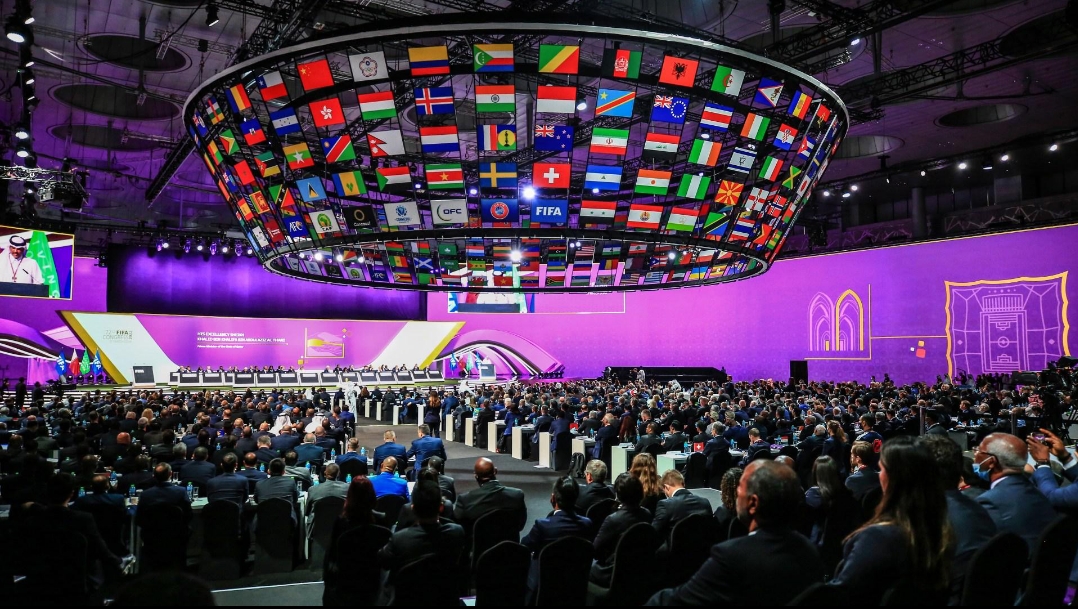
Large conference hall filled with attendees at the 72nd FIFA Congress in Doha, Qatar, featuring a massive, illuminated circular overhead display covered in international flags.
The world governing body wants to expand the FIFA World Cup from 48 to 64 teams beginning with the 2030 World Cup, which will be jointly hosted by Morocco, Spain and Portugal, with Argentina, Paraguay and Uruguay staging one match each to celebrate the tournament’s centenary.
To determine whether such a dramatic expansion should happen, FIFA plans to appoint an independent agency.
That agency will have just four weeks to complete its analysis.
Four weeks to decide whether the world’s biggest sporting competition should become significantly larger.
The proposal arrives only days after FIFA’s controversial plan to create a $20 billion commercial subsidiary capable of selling part of the World Cup to private investors. A proposal that triggered fierce opposition from UEFA, CONCACAF and several football stakeholders around the globe.
Taken together, the two announcements paint a picture of a governing body attempting to reshape world football faster than many within the game believe is healthy.
For Africa, however, the proposal creates a fascinating dilemma.
A 64-team World Cup would almost certainly increase the continent’s qualification places.
But does more participation automatically mean a greater chance of finally lifting football’s greatest trophy?
That question deserves far more attention than simply counting extra qualification slots.
What FIFA Is Actually Proposing for 2030 World Cup
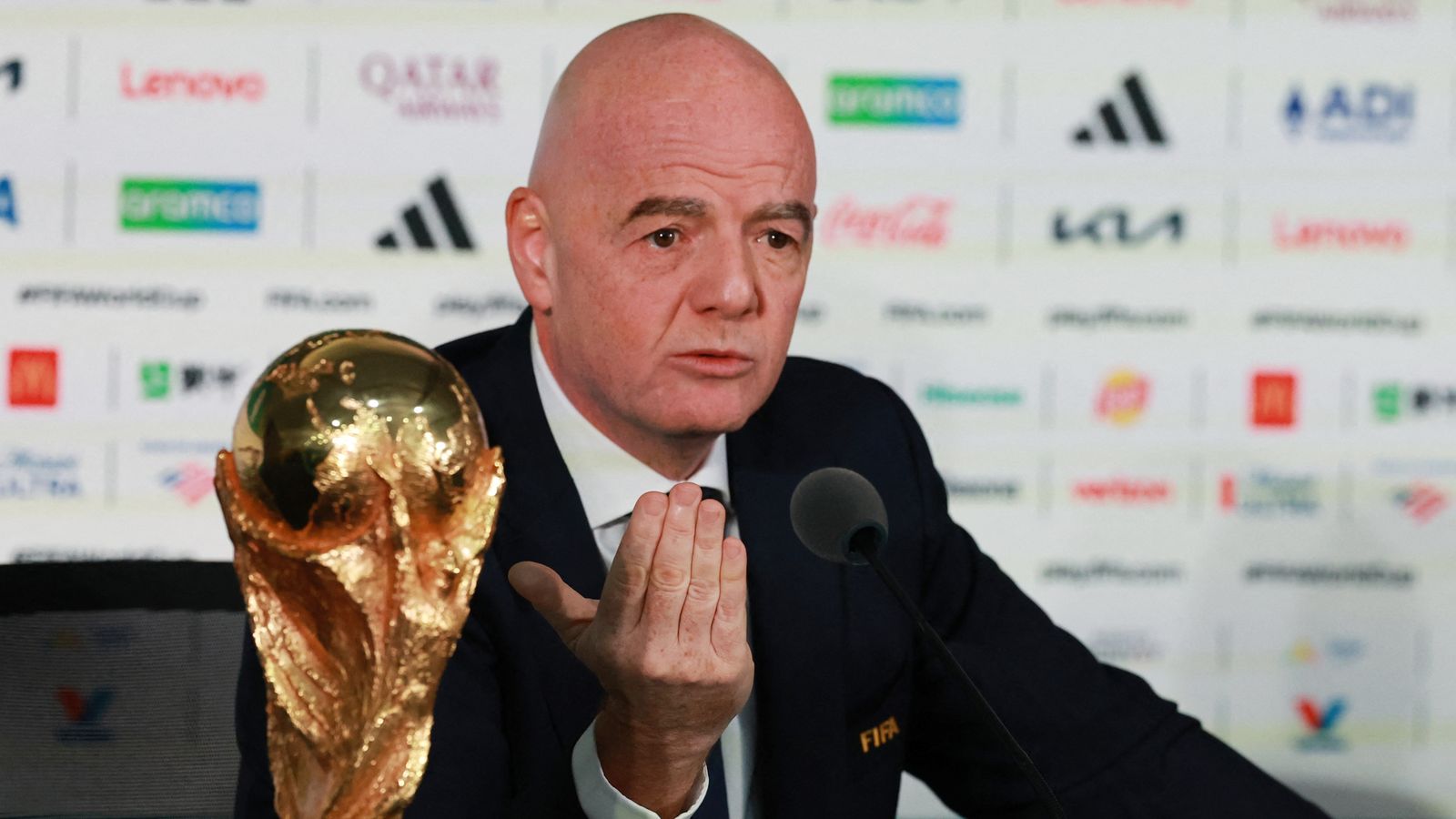
Gianni Infantino, FIFA President, gesturing at a microphone next to the gold World Cup trophy during an official 2026 FIFA World Cup press conference with sponsor logos on the backdrop.
FIFA has officially begun searching for an independent research agency to evaluate whether expanding the FIFA World Cup from 48 teams to 64 teams beginning in 2030 would benefit football.
According to FIFA’s research brief, the selected organisation will study whether the expansion strengthens the tournament or creates more problems than opportunities.
The agency will investigate several major issues, including competitive balance, qualification systems across every confederation, player welfare, fixture congestion, and international calendar impact.
It will also examine commercial growth, broadcasting opportunities, sponsorship revenue, ticket sales, and long-term sustainability.
The governing body has made it clear that financial returns alone will not determine the recommendation.
Instead, the report must establish whether any additional commercial income would remain sustainable over the long term rather than simply creating a short-term financial boom.
The proposal itself did not originate inside FIFA.
It came from CONMEBOL, South America’s football confederation, which officially proposed a 64-team World Cup last year as part of celebrations marking 100 years since the first FIFA World Cup was staged in Uruguay in 1930.
The 2030 edition is already unique.
Morocco, Spain and Portugal will jointly host the tournament across Europe and Africa. While Uruguay, Argentina and Paraguay will each stage one opening match to honour football’s centennial.
Even before discussing another expansion, the tournament is already expected to become the most geographically complex World Cup ever organised.
Adding another 16 teams would create an even greater logistical challenge.
The Four-Week Deadline That Raises Serious Questions
Perhaps the most surprising aspect of FIFA’s proposal is not the expansion itself.
It is the timeline. FIFA intends to appoint the successful research agency on August 14.
That organisation will then have until September 11 to complete one of the most important football governance studies in modern history.
Just four weeks. That schedule has surprised many observers.
The previous expansion from 32 teams to 48 teams was debated for years before implementation.
The 2026 tournament itself required years of planning across three host nations, extensive infrastructure investment, stadium preparation, broadcasting agreements and qualification restructuring across six confederations.
Now FIFA expects an independent organisation to determine whether another expansion of historic proportions should happen within a single month.
That compressed schedule naturally raises concerns.
Can four weeks adequately assess:
- Whether the tournament quality will decline?
- Whether players can safely cope with additional fixtures?
- How qualification should change across every confederation?
- Whether broadcasters and sponsors can support an even larger event?
- And whether supporters actually want more matches?
- Whether football risks oversaturating its biggest competition?
These are questions that normally require months, if not years of consultation.
Instead, FIFA appears eager to conclude before broader opposition gains momentum. Interestingly, the timing mirrors another controversial FIFA deadline.
Only days earlier, football associations worldwide were reportedly given until September 19 to decide whether to participate in FIFA’s proposed investment structure involving private investors.
Two major football decisions. Two aggressive deadlines. One increasingly obvious pattern.
The African Opportunity: More Places, But Will It Produce More Winners?
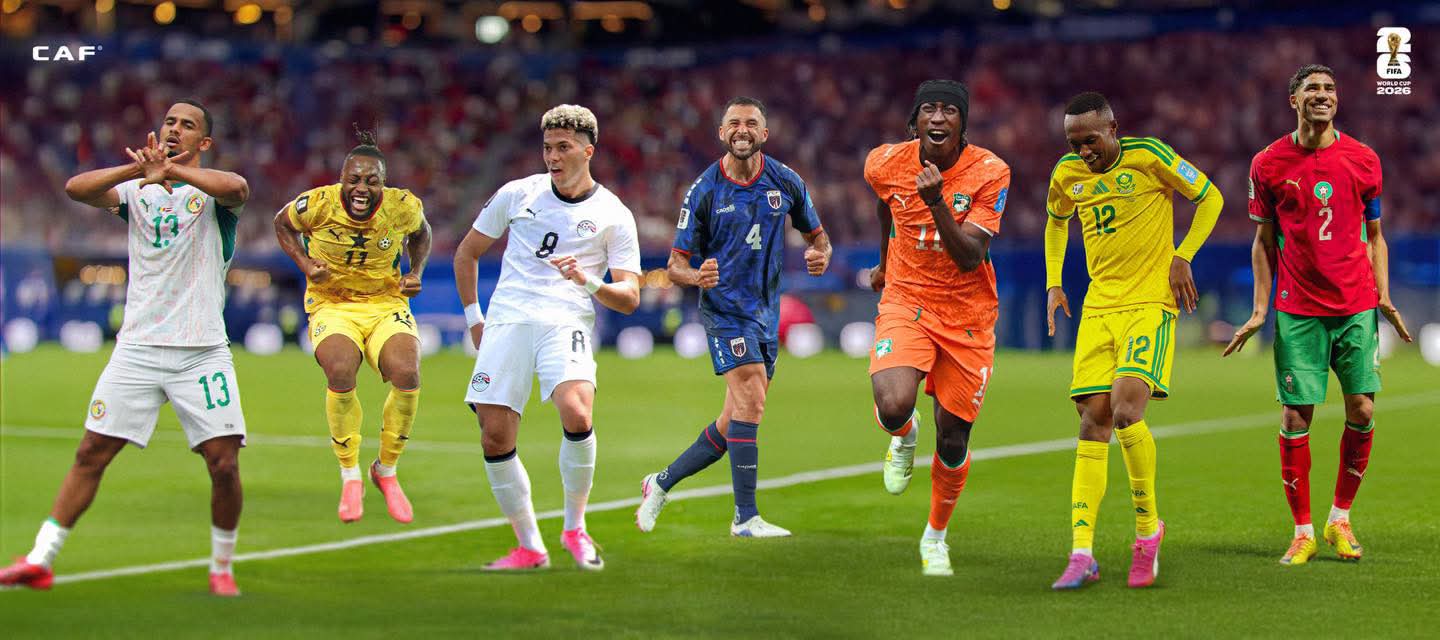
Seven African national football team players celebrating a historic advancement to the 2026 FIFA World Cup knockout stage.
For Sportxparte readers, this is where the story becomes far more than another FIFA governance debate.
A 64-team FIFA World Cup represents the biggest opportunity African football has received since the continent’s allocation was increased for the 2026 tournament.
It also presents one of its biggest tests. Africa has long argued that it deserves more representation on football’s biggest stage. The continent is home to more than 1.5 billion people, boasts some of the world’s fastest-rising football talent, and consistently produces players who shine in Europe’s biggest leagues.
Yet qualification has often been brutally competitive.
Countries capable of challenging the world’s best regularly miss out entirely because there simply are not enough places available.
Nigeria, for example, failed to qualify for the 2026 World Cup despite possessing one of Africa’s strongest squads. Zambia, Mali, Burkina Faso, Gabon and Uganda have all produced talented generations that struggled to reach the tournament under the existing qualification system.
A 64-team World Cup could dramatically change that landscape.
After receiving around 9–10 qualification places for the 48-team format, CAF could realistically expect 12 to 14 places if FIFA adopts a 64-team competition.
That would create opportunities for countries that have spent decades watching the World Cup from home.
More African flags, more African stories. More African rivalries on the biggest stage.
For supporters across the continent and throughout the African diaspora, that prospect is genuinely exciting.
Imagine another World Cup featuring Nigeria, Ghana, Senegal, Morocco, Egypt, South Africa, DR Congo, Mali, Burkina Faso, Ivory Coast, Cameroon and Zambia all competing together.
The tournament would become even more representative of African football’s growing strength.
But there is a crucial difference between qualifying and competing. More places alone do not create champions.
Will More African Teams Actually Make Africa Stronger?
That is the question FIFA’s proposal does not answer. Africa’s greatest challenge has never been producing talented footballers.
The continent continues to export elite players to Europe’s biggest clubs every season.
Victor Osimhen. Achraf Hakimi. Mohamed Salah, Sadio Mané, Ademola Lookman, Victor Boniface, and Bryan Mbeumo. The list grows every year. The problem begins after qualification.
Apart from Morocco’s historic semi-final appearance in Qatar in 2022 and another impressive quarter-final run in 2026, African nations continue to struggle once the tournament reaches its decisive stages.
The statistics from the 2026 World Cup illustrate that perfectly.
Of the 10 African nations that reached the tournament, nine progressed from the group stage into the Round of 32.
That was an extraordinary achievement. Yet only Morocco and Egypt reached the Round of 16.
Eventually, Morocco became Africa’s last remaining representative. That pattern has repeated itself across multiple generations.
African teams often begin tournaments brightly before fading when tactical discipline, squad depth and elite in-game management become decisive.
Adding more African nations to the tournament does not automatically solve those structural weaknesses.
If anything, it risks creating more early exits unless development improves alongside qualification opportunities.
Football history repeatedly shows that World Cups are not won by talent alone.
They are won by planning. And they are won by coaching. They are won by long-term football structures that prepare players years before they ever reach a 2030 World Cup squad.
Europe has built those systems. South America has refined them for generations. Africa is still building them. A larger tournament may increase participation.
It does not automatically increase competitiveness.
That distinction matters. Because while FIFA celebrates expanding football’s reach, African football must continue asking a harder question:
How do we move from simply qualifying to consistently challenging for the World Cup itself?
The 2030 World Cup Is Already Complicated Enough
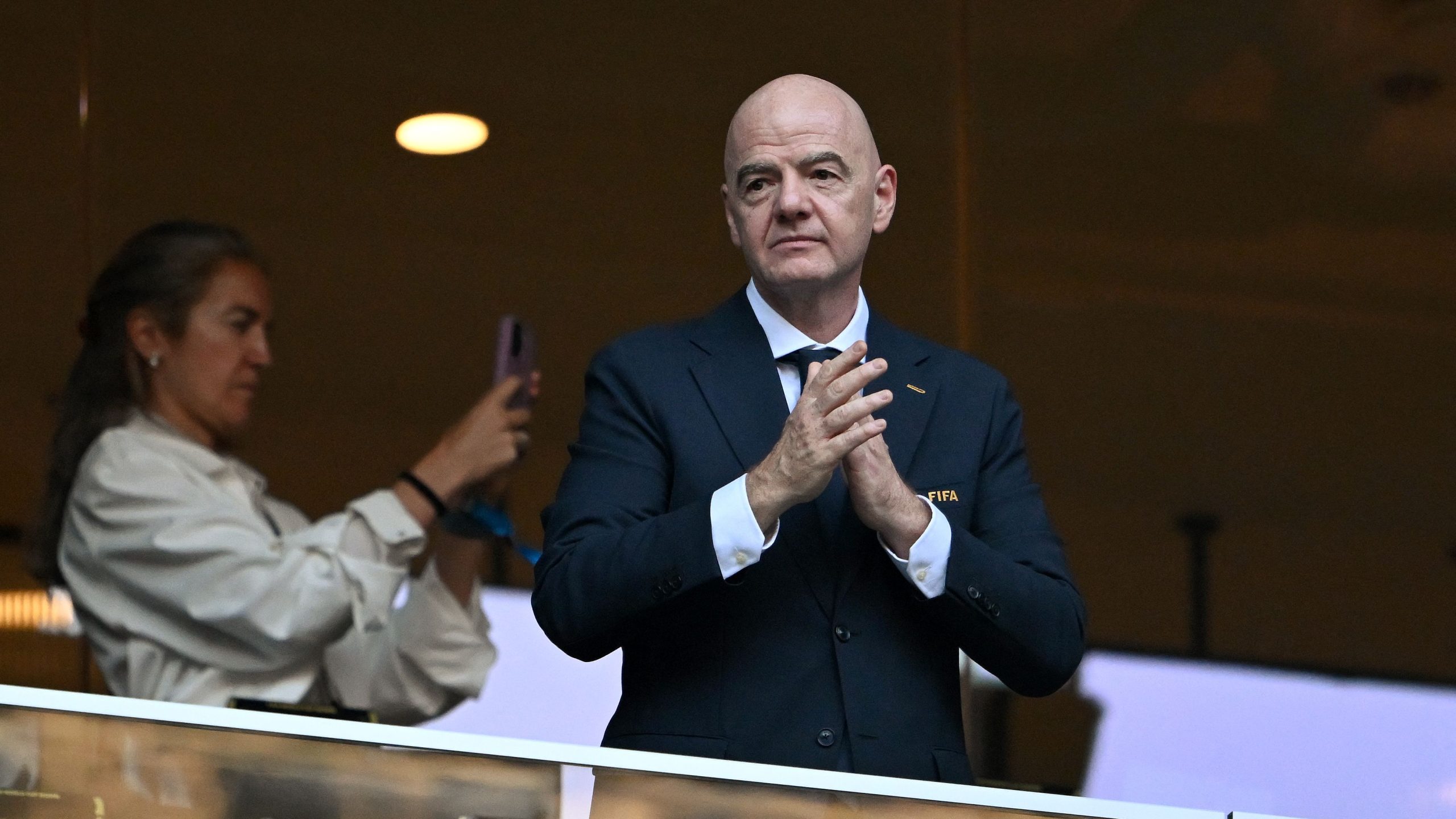
Gianni Infantino, the current FIFA President, clapping while attending a match at the 2026 World Cup.
Even without adding another 16 nations, the 2030 FIFA World Cup is already set to become the most ambitious tournament football has ever attempted.
Unlike previous editions, the competition will span multiple continents.
Morocco, Spain and Portugal will serve as the primary hosts. While Uruguay, Argentina and Paraguay will each stage one match to commemorate the tournament’s 100th anniversary.
Never before has the World Cup been organised across such a unique geographical footprint.
For Morocco, the tournament represents far more than simply hosting football matches.
It is the reward for decades of investment in football infrastructure, youth development and stadium modernisation.
The Atlas Lions have become one of the world’s fastest-rising national teams, reaching the semi-finals in Qatar 2022 before following that achievement with another deep run at the 2026 World Cup.
Hosting football’s biggest tournament is a reflection of Morocco’s remarkable football journey.
Adding another 16 national teams, however, introduces entirely new logistical challenges.
A larger tournament would require more stadiums, more training facilities, more accommodation, more security operations, more transport infrastructure, more volunteers, and more broadcasting resources.
It would also demand more recovery time for players. The number of matches would also increase significantly.
The 2026 World Cup already expanded to 104 matches, making it the longest tournament in modern World Cup history.
A 64-team competition could push the total close to 140 matches, depending on the final format FIFA adopts.
That raises an obvious question.
At what point does expansion stop making the World Cup better and start making it unnecessarily complicated?
FIFA’s independent assessment is expected to answer those concerns. Whether four weeks is enough time to reach such conclusions remains highly debatable.
UEFA Remains Firmly Against Expansion of 2030 World Cup
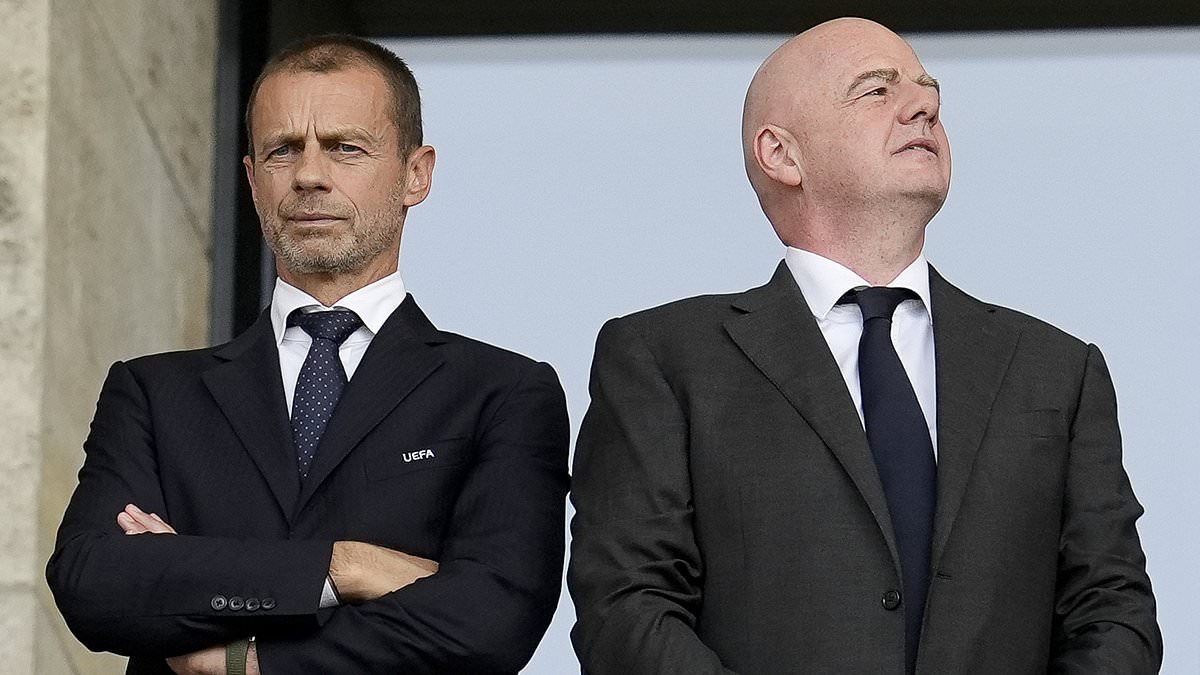
UEFA President Aleksander Ceferin (left) and FIFA President Gianni Infantino (right) amid escalating tensions and UEFA’s boycott of FIFA tournaments.
If FIFA hoped the proposal would unite football’s major stakeholders, early signs suggest the opposite.
UEFA has consistently opposed further World Cup expansion.
Its president, Aleksander Čeferin, publicly criticised the 64-team proposal when it first emerged, describing it as “not a good idea.”
Nothing suggests Europe’s position has softened.
Only days earlier, European football leaders discussed possible responses to FIFA’s proposal to sell part of the World Cup’s commercial rights to private investors.
Those discussions reportedly included the possibility of boycotting future FIFA competitions.
Now another controversial proposal has emerged.
For UEFA, the issue is becoming larger than simply tournament expansion. It is about governance.
The Asian Football Confederation has also previously questioned where expansion eventually ends.
If 64 teams become acceptable today, what prevents discussions about 80 or even 96 teams tomorrow?
That concern is understandable.
Football’s greatest tournament has traditionally been defined by quality rather than quantity.
Every expansion creates more opportunity. Every expansion also risks reducing exclusivity.
Finding the balance between global inclusion and elite competition has become FIFA’s greatest challenge.
The Bigger Picture: Is FIFA Moving Too Fast?
Viewed in isolation, expanding the World Cup might seem like a logical next step after introducing the 48-team format.
Viewed alongside everything else happening inside FIFA, however, a different picture begins to emerge.
Within the space of just a few weeks, football has witnessed a series of proposals that could permanently reshape the sport:
FIFA unveiled plans to create a commercial subsidiary involving private investors.
UEFA responded by calling emergency meetings and openly criticising football’s global leadership.
Questions emerged over financial incentives being offered to football associations.
Now FIFA wants another historic World Cup expansion supported by an independent report completed within four weeks.
The pattern is difficult to ignore. Football’s governing body appears determined to accelerate decisions that would once have taken years of debate.
That speed naturally creates suspicion. Supporters want to know whether these changes genuinely benefit football or primarily increase commercial revenue.
For Africa, the answer is particularly complicated. More qualification places would undoubtedly help African nations reach the World Cup more regularly.
More participation could inspire greater investment across the continent.
Yet qualification alone has never been Africa’s biggest problem. Winning has.
Africa’s challenge remains building football structures capable of consistently producing teams that compete for the trophy, not merely participate in the tournament.
It requires investment in coaching, youth development, governance, domestic leagues and football administration.
Verdict: Opportunity Alone Will Not Deliver Africa a World Cup
FIFA’s proposal to expand the World Cup to 64 teams is one of the most significant football decisions of this decade.
It promises greater inclusion, larger revenues and more opportunities for countries that have traditionally struggled to qualify.
For Africa, those additional places could transform the continent’s presence on football’s biggest stage.
More African nations would experience the World Cup. And more young players would dream of representing their countries.
More football associations could benefit from increased exposure and commercial opportunities.
Those are genuine positives. But they should not distract from the bigger issue.
Africa has never failed to produce talent.
It has often failed to build the structures capable of turning that talent into World Cup winners.
More qualification places cannot replace elite coaching. They cannot replace better football administration.
They cannot replace investment in academies, domestic leagues, sports science or long-term planning.
Those are the foundations that consistently separate champions from participants.
The timing of FIFA’s proposal also deserves scrutiny.
Whether those changes ultimately strengthen the game or simply make it bigger and more profitable remains the central question.
For African football, the debate should never focus solely on how many teams qualify.
It should focus on how many teams can realistically compete for the trophy. A 64-team World Cup may open more doors.
Walking through those doors and lifting the World Cup will still depend on the decisions African football makes long before the tournament begins.
The battle for football’s future has already started. Africa cannot afford to be a passenger while others decide its destination.