African Football
Africa’s World Cup Heroes Barely Had Time To Celebrate Before Everything Changed
The 2026 FIFA World Cup ended on Sunday with Spain lifting the trophy in New Jersey. While celebrations continued across Europe and South America, something equally significant was unfolding behind the scenes something African football fans have witnessed for decades.
The transfer window opened. Within hours, reports linking Africa’s brightest World Cup performers to Europe’s biggest clubs flooded headlines. Bayern Munich completed their move for Morocco’s Ismael Saibari.
Paris Saint-Germain intensified talks for Ivory Coast sensation Yan Diomande. Morocco’s teenage midfield prodigy Ayyoub Bouaddi suddenly carried a reported €100 million valuation.
South Africa’s Relebohile Mofokeng attracted concrete European interest, while clubs began enquiring about players who had never previously appeared on the global radar.
For many supporters, these developments represented success. African football had once again produced players capable of commanding the attention of Europe’s elite.
Yet there is another side to the story. Every outstanding African World Cup campaign seems to trigger the same chain reaction. African nations inspire the world.
Their players become household names. European clubs move quickly before the excitement fades. Within weeks, the continent’s greatest talents are wearing different shirts, developing under different systems and creating unforgettable moments for clubs thousands of kilometres away.
The World Cup may have showcased African football’s progress, but it also highlighted an uncomfortable reality. The continent continues to function as one of football’s richest talent factories while Europe remains the biggest beneficiary.
World Cup 2026 didn’t create this cycle. It accelerated it.
The Pattern African Football Knows Too Well
This story is not new. After Ghana reached the quarter-finals in 2010, European clubs quickly targeted the Black Stars’ biggest names.
Asamoah Gyan secured a move to the Premier League, while Kevin-Prince Boateng, André Ayew and others became increasingly prominent across Europe’s top divisions.
The same pattern followed Morocco’s historic 2022 World Cup campaign. Sofyan Amrabat’s stock soared overnight. Azzedine Ounahi became one of the most sought-after midfielders in Europe.
Every member of Walid Regragui’s squad suddenly attracted transfer speculation.
History has repeated itself again after World Cup 2026.
This time, however, the scale feels different.
Africa sent ten teams to the tournament for the first time. Nine progressed beyond the group stage, while Morocco reached anotherquarter-final.
Egypt finally broke through into the knockout rounds, DR Congo returned after more than five decades to produce memorable performances, and Cape Verde captured the imagination of football fans worldwide on their World Cup debut.
The expanded tournament gave African players more opportunities to perform under football’s brightest spotlight than ever before.
Europe was watching every minute. Scouts from England, Germany, Spain, Italy and France filled stadiums throughout the tournament. Not simply searching for established stars but identifying the next generation before transfer fees climb even higher.
The result is a transfer market unlike anything African football has experienced before.
Players who were relatively unknown outside continental football only weeks ago are suddenly linked with Bayern Munich, Paris Saint-Germain, Real Madrid, Manchester City and Juventus.
That speaks volumes about the quality Africa produced. It also raises a difficult question.
If African football continues developing players capable of transforming Europe’s biggest clubs, when will African clubs themselves begin benefiting from that same level of footballing excellence?
African players transfer: Saibari’s Bayern Move Signals the Beginning
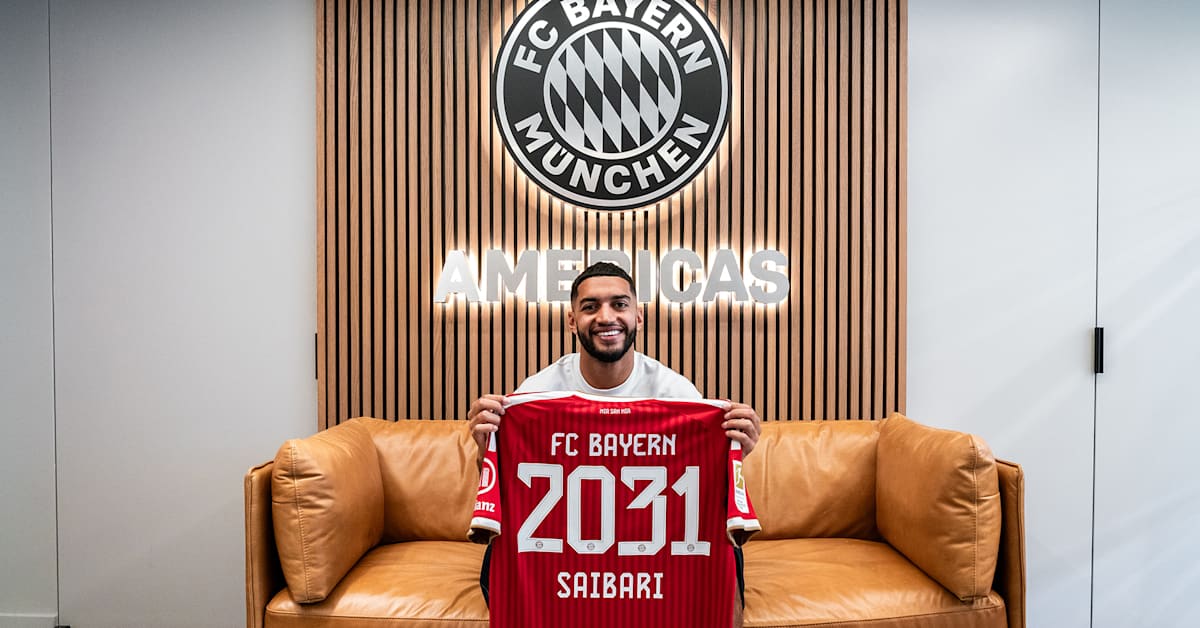
Ismael Saibari has signed a contract with FC Bayern Munich that runs until June 30, 2031.
No transfer illustrates this new reality better than Ismael Saibari’s move to Bayern Munich.
The Moroccan midfielder had already established himself as one of PSV Eindhoven’s most important players before the World Cup. But his performances in North America confirmed what Europe’s elite already suspected.
He belongs at the very highest level. Bayern wasted little time.
Almost immediately after the transfer window officially opened, the Bundesliga giants secured the Moroccan international on a long-term contract worth a reported €50 million.
The speed of the deal was telling. This was not a transfer built solely on domestic performances in the Eredivisie. Bayern had watched Saibari help Morocco compete with the world’s strongest nations, displaying composure, tactical intelligence and technical quality under immense pressure.
World Cups have always increased player values. For African footballers, however, they often become career-defining shop windows.
Morocco should feel enormous pride seeing another Atlas Lion join one of football’s greatest institutions. Saibari’s development under Bayern’s coaching staff could make him an even more influential figure for the national team heading towards the 2030 World Cup on home soil.
Yet his transfer also reinforces the familiar reality. When African players reach world-class level, their next destination is almost always elsewhere.
The continent celebrates their success while simultaneously watching them leave. That contradiction sits at the heart of African football’s relationship with the global game.
World Cup 2026 Changed Africa’s Transfer Market Forever
If Saibari represents the first domino, he certainly won’t be the last. World Cup 2026 fundamentally altered how European clubs view African talent.
Previous generations often had to prove themselves across several seasons before attracting interest from elite clubs. Today’s African stars no longer need years of observation. Outstanding performances on football’s biggest stage can transform careers almost overnight.
That represents enormous progress. African football is finally receiving the respect its players deserve.
But it also creates a new challenge. As the continent produces increasingly exceptional footballers, retaining even a small portion of that talent becomes almost impossible.
Every successful tournament strengthens Africa’s reputation while simultaneously making its brightest prospects even more attractive to Europe’s financial giants.
The World Cup is over. For Africa’s biggest stars, however, an entirely different competition has already begun one fought not on football pitches. But across boardrooms, scouting departments and transfer negotiations throughout Europe.
And judging by the first few days of this transfer window, the race to secure African football’s future superstars is only just beginning.
Saibari, Bouaddi and Diomande: The Faces of African Players New Transfer Boom
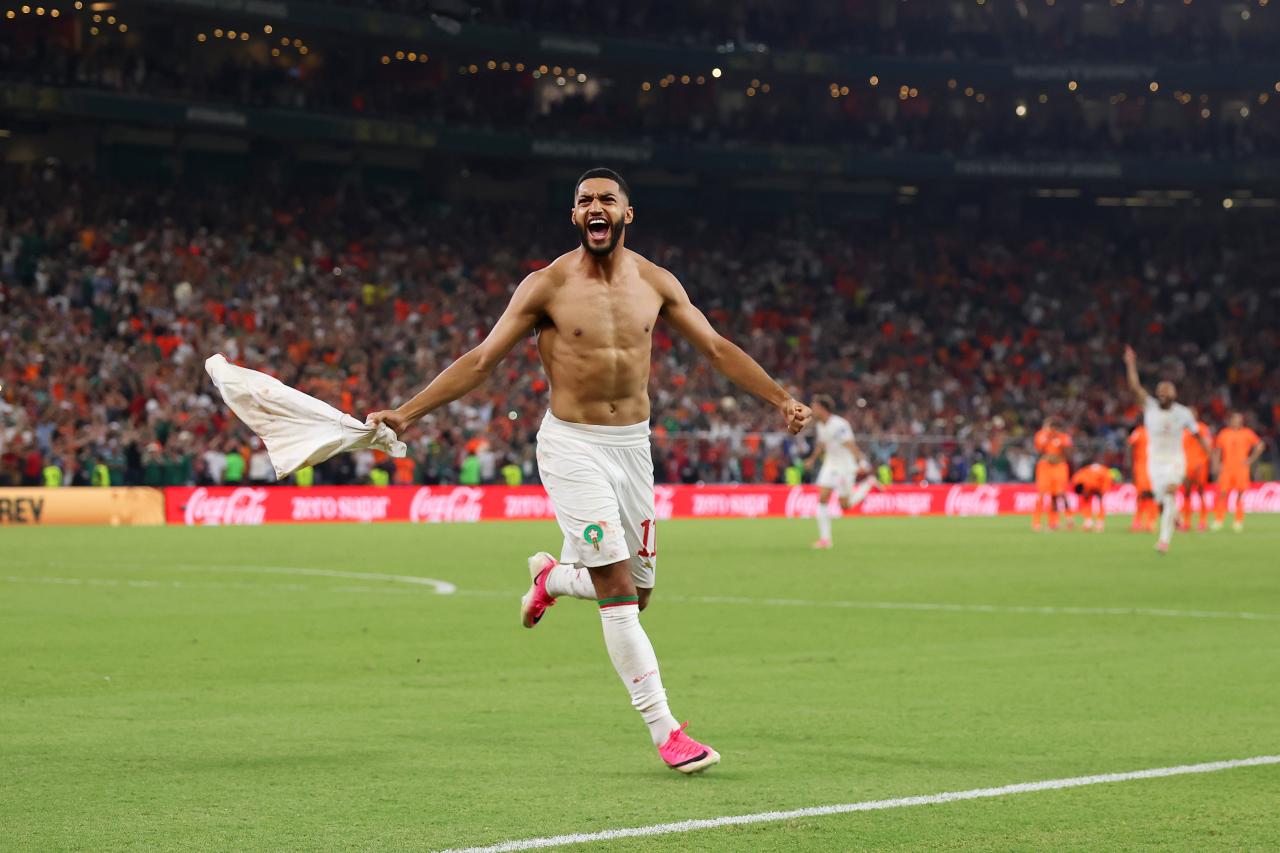
Moroccan midfielder Ismael Saibari celebrates after scoring the winning penalty against the Netherlands during the 2026 FIFA World Cup Round of 16.
Every World Cup creates new stars, but World Cup 2026 has done something different for African football. Instead of producing one or two standout names, the tournament unveiled an entire generation of players now being pursued by Europe’s biggest clubs.
From Morocco to Côte d’Ivoire, the message from scouts was unmistakable. Africa is no longer simply producing physically gifted footballers it is producing complete players capable of dominating matches at the highest level.
The transfer market reacted almost immediately.
Ismael Saibari: Bayern Munich Waste No Time
If there was one transfer that perfectly illustrated Europe’s urgency, it was Bayern Munich’s move for Moroccan midfielder Ismael Saibari.
Within days of the World Cup ending, Bayern completed a reported €50 million deal to sign the Atlas Lions star from PSV Eindhoven. While the German champions had monitored him long before the tournament, Morocco’s performances on football’s biggest stage removed any remaining doubts.
Saibari embodied everything modern European clubs want in a midfielder.
He can press aggressively without losing positional discipline. He carries the ball through midfield with confidence, breaks defensive lines with intelligent passing, and contributes goals from late runs into the penalty area.
Even though injury prevented him from finishing the tournament, his performances against Brazil, Scotland and the Netherlands showed he belongs among Europe’s elite midfielders.
For Bayern, it is another statement signing. For Morocco, it is another reminder that their academy system is producing players capable of starring for the world’s biggest clubs.
Yet there is another side to the story. Every time Morocco develops another world-class footballer, it strengthens European football more than African club football. The Atlas Lions benefit internationally, but no Moroccan club can realistically compete financially with Bayern Munich.
That remains African football’s biggest challenge.
African Players Transfer: Bouaddi Could Become Africa’s First €100 Million Wonderkid
If Saibari represents the present, Ayyoub Bouaddi represents the future.
Still only 18, the Moroccan midfielder has become one of the most talked-about teenagers in world football following his remarkable World Cup campaign.
His performances were mature beyond his years. Against Brazil he controlled possession under enormous pressure. And against Scotland he dictated the tempo.
Against Canada he showed his ability to recover possession before launching attacks almost effortlessly.
Most impressively, against France in the quarter-finals, he looked entirely comfortable competing against some of Europe’s finest midfielders despite being almost half their age.
That explains why reports now value him at around €100 million, with clubs including Real Madrid, Manchester City and Paris Saint-Germain all closely monitoring his situation.
Such a valuation would make Bouaddi one of the most expensive African footballers in history before celebrating his twentieth birthday.
For African football supporters, it is a moment of enormous pride. An African-developed player is now considered among the world’s most valuable young talents.
But pride comes mixed with frustration. Bouaddi’s peak years will almost certainly be spent in Europe rather than helping elevate club football on the African continent.
It is a cycle that has repeated itself for generations. The continent produces exceptional footballers.
Europe develops the commercial value. The financial rewards largely remain outside Africa.
African Players Transfer: Yan Diomande Has Become PSG’s Next Priority
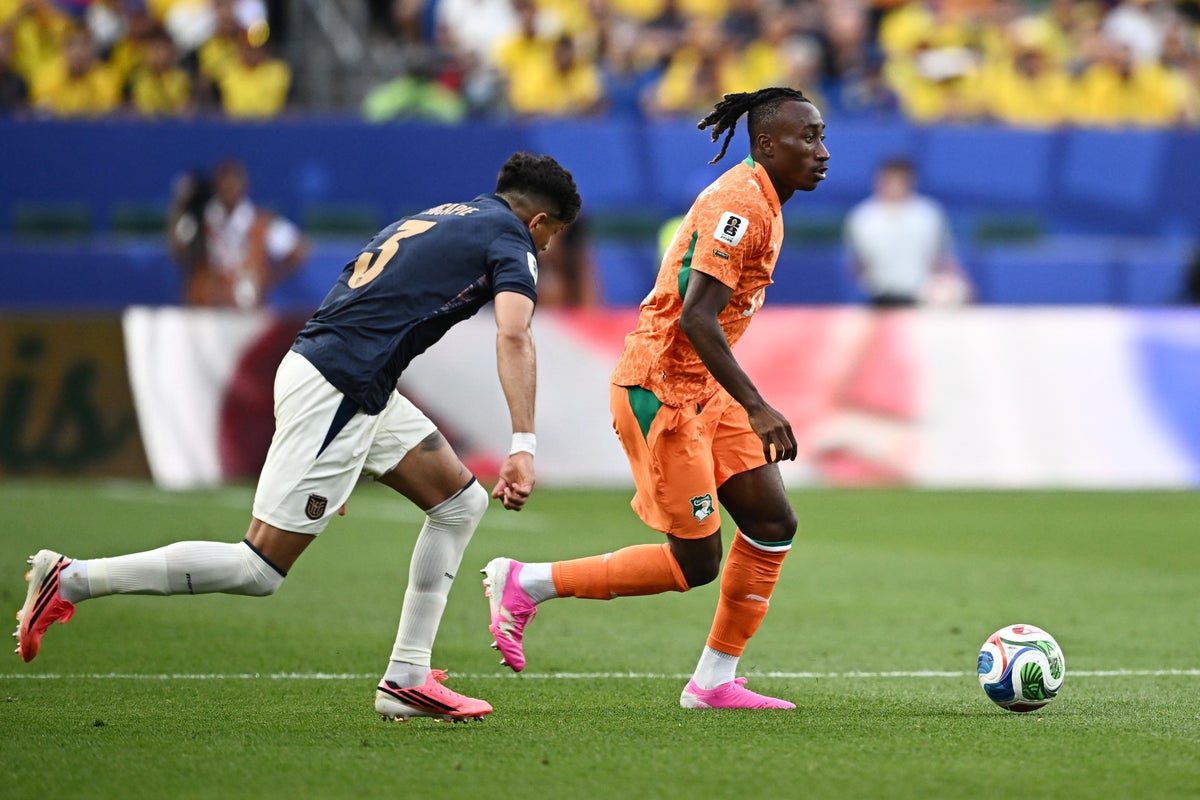
The player in the orange kit is Ivorian winger Yan Diomande, who plays his club football for RB Leipzig.
Perhaps no African player improved his reputation more dramatically during World Cup 2026 than Yan Diomande.
The Ivorian winger entered the tournament with enormous promise.
He left it as one of the hottest young attacking prospects anywhere in football.
Although Côte d’Ivoire exited earlier than expected, Diomande consistently demonstrated qualities that cannot be taught. His acceleration terrified defenders.
His willingness to attack one-versus-one situations created constant danger. Most importantly, his decision-making improved throughout the tournament.
Against Ecuador he delivered one of the finest individual performances of the World Cup, combining relentless pressing with creativity and attacking intelligence that caught the attention of Europe’s elite clubs.
That display confirmed what many scouts already suspected. Diomande is ready for the next level.
Paris Saint-Germain have reportedly identified him as one of their primary transfer targets. While RB Leipzig continue to value him highly.
A move to one of Europe’s biggest clubs now appears less a possibility than an inevitability.
For Côte d’Ivoire, Diomande could become the next great successor to Didier Drogba, Yaya Touré and Gervinho. His emergence also highlights something encouraging about African football.
This new generation is technically refined from an early age. Rather than relying solely on athleticism, players like Diomande combine intelligence, tactical discipline and creativity with explosive physical qualities.
That combination makes them irresistible to Europe’s biggest clubs.
African Players Transfer: This Transfer Window Is Different
What makes this summer remarkable is not simply the number of African players moving. It is the calibre of clubs competing for them.
Bayern Munich, Paris Saint-Germain, Real Madrid, Manchester City, and Juventus.
These are not development clubs searching for inexpensive prospects. These are institutions capable of competing for the UEFA Champions League every season.
Their interest reflects something much bigger than individual transfers. It reflects a changing perception of African football itself.
For decades, European clubs viewed African players primarily as physically gifted athletes who required significant tactical development.
World Cup 2026 challenged that stereotype completely. Morocco controlled possession against elite opponents. Egypt came within minutes of eliminating Argentina.
Cape Verde demonstrated extraordinary tactical organisation. Côte d’Ivoire produced technically gifted young attackers capable of deciding matches individually. Europe noticed.
The consequence is that African football is no longer exporting potential.
It is exporting proven quality. That represents enormous progress for the continent. But it also raises an uncomfortable question.
If African football has finally convinced the world of its quality, how can it ensure the continent benefits from that success as much as Europe does?
Africa’s New Generation Is Leaving: But Is African Football Really Winning?
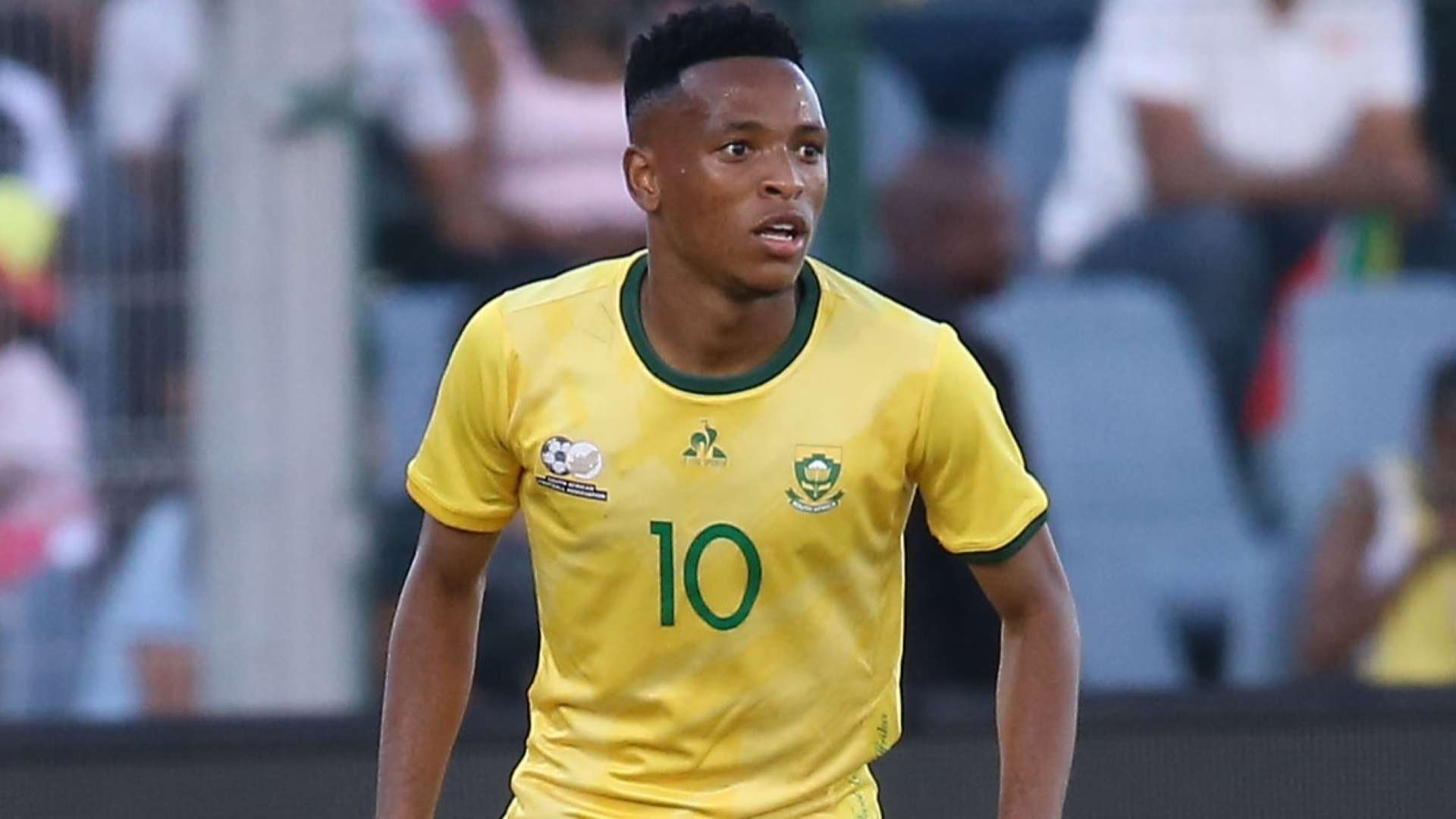
professional footballer Relebohile Mofokeng wearing the yellow South Africa national team jersey.
Not every transfer story this summer revolves around Europe’s traditional football powers. Some represent historic breakthroughs for nations that have struggled for decades to establish a consistent pathway to elite football.
That is exactly what Relebohile Mofokeng represents for South Africa. Bafana Bafana returned to the World Cup for the first time since 2014. And despite failing to make a deep run, showed enough quality to convince European clubs that South African football is producing another exciting generation.
Reports linking Mofokeng with Belgian side Union Saint-Gilloise may not attract the same global headlines as Bayern Munich signing Ismael Saibari or PSG pursuing Yan Diomande, but the significance should not be underestimated.
Belgium has become one of Europe’s most successful development leagues. It has helped launch the careers of countless African stars before they moved to England, Germany, France and Spain.
If Mofokeng succeeds there, he could become the blueprint for future South African talents.
That matters because South Africa has often watched countries such as Morocco, Senegal, Nigeria and Ivory Coast dominate conversations about African talent exports.
Now Bafana Bafana have a player capable of changing that perception.
His move represents more than one footballer’s career. It represents a new pathway.
Vozinha Proved Dreams Have No Age Limit
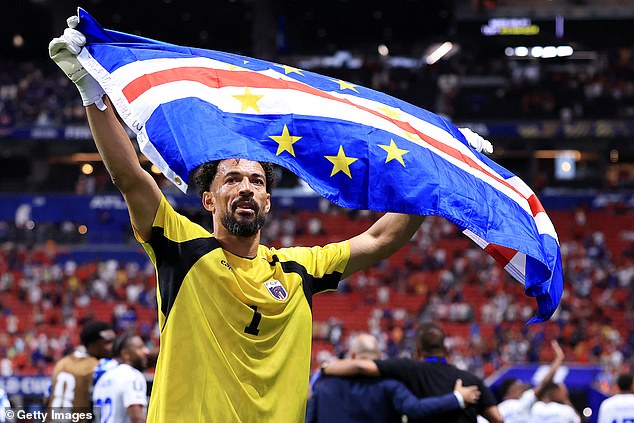
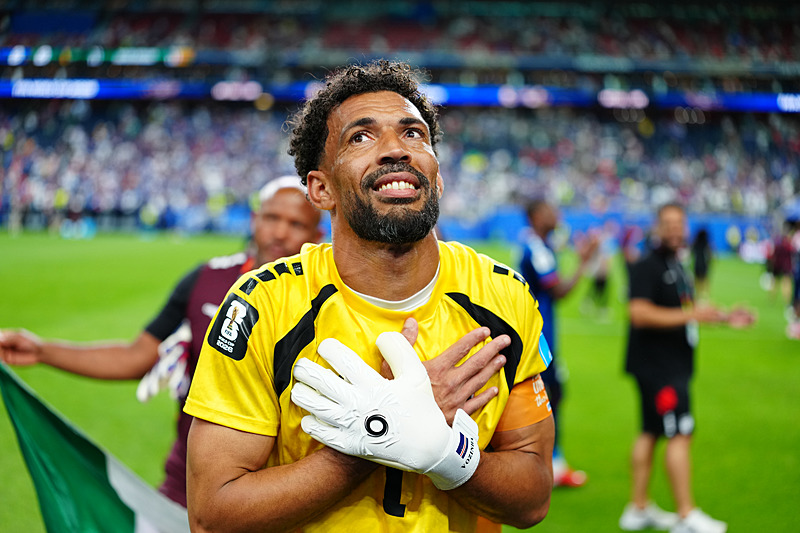
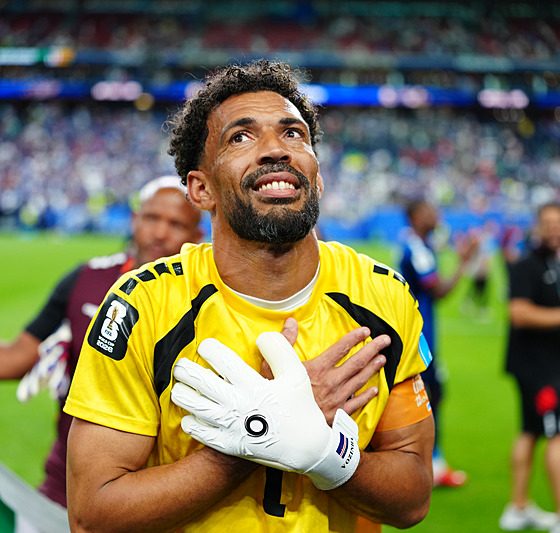
Vozinha (real name Josimar José Évora Dias), the veteran goalkeeper and captain of the Cape Verde national football team.
While European clubs usually chase teenagers, one of Africa’s most remarkable transfer stories belongs to a player approaching the end of his career.
Cape Verde goalkeeper Vozinha arrived at the World Cup with little international recognition outside African football.
He left as one of the tournament’s biggest heroes. At 40 years old, he produced arguably the finest goalkeeping performances of the competition.
Against Spain, he frustrated one of world football’s most creative attacks with save after save in a famous 0-0 draw.
He repeated those heroics throughout Cape Verde’s unforgettable campaign before eventually falling to Argentina in extra time during the Round of 32.
For many goalkeepers, such performances would simply become part of tournament folklore. For Vozinha, they have reportedly opened doors to clubs that previously ignored him.
His story reminds African football fans that the World Cup changes careers regardless of age.
Sometimes it takes one tournament for the world to finally recognise talent that has existed for years.
Cape Verde may have exited earlier than they hoped, but they introduced one of football’s greatest underdog stories.
Christ Inao Oulai Has Become Ivory Coast’s Next Big Export
Every generation of Ivorian football seems to produce another midfielder capable of dominating European football.
Yaya Touré. Franck Kessié. Now perhaps Christ Inao Oulai.
The 20-year-old was already regarded as one of the brightest talents in African football before the World Cup.
After the tournament, his reputation has exploded.
Despite Ivory Coast falling in the Round of 32, Oulai consistently demonstrated maturity beyond his years.
His ability to control possession, escape pressure and dictate tempo attracted immediate interest from clubs across Europe’s top five leagues.
Reports linking him with Brentford, RB Leipzig and Juventus underline just how quickly African talent can become one of football’s hottest commodities.
The irony, however, remains impossible to ignore. Ivory Coast finally develops another elite midfielder.
Within weeks, Europe is preparing to take him. The pattern repeats itself once again.
Ibrahim Mbaye Shows Senegal’s Future Remains Bright
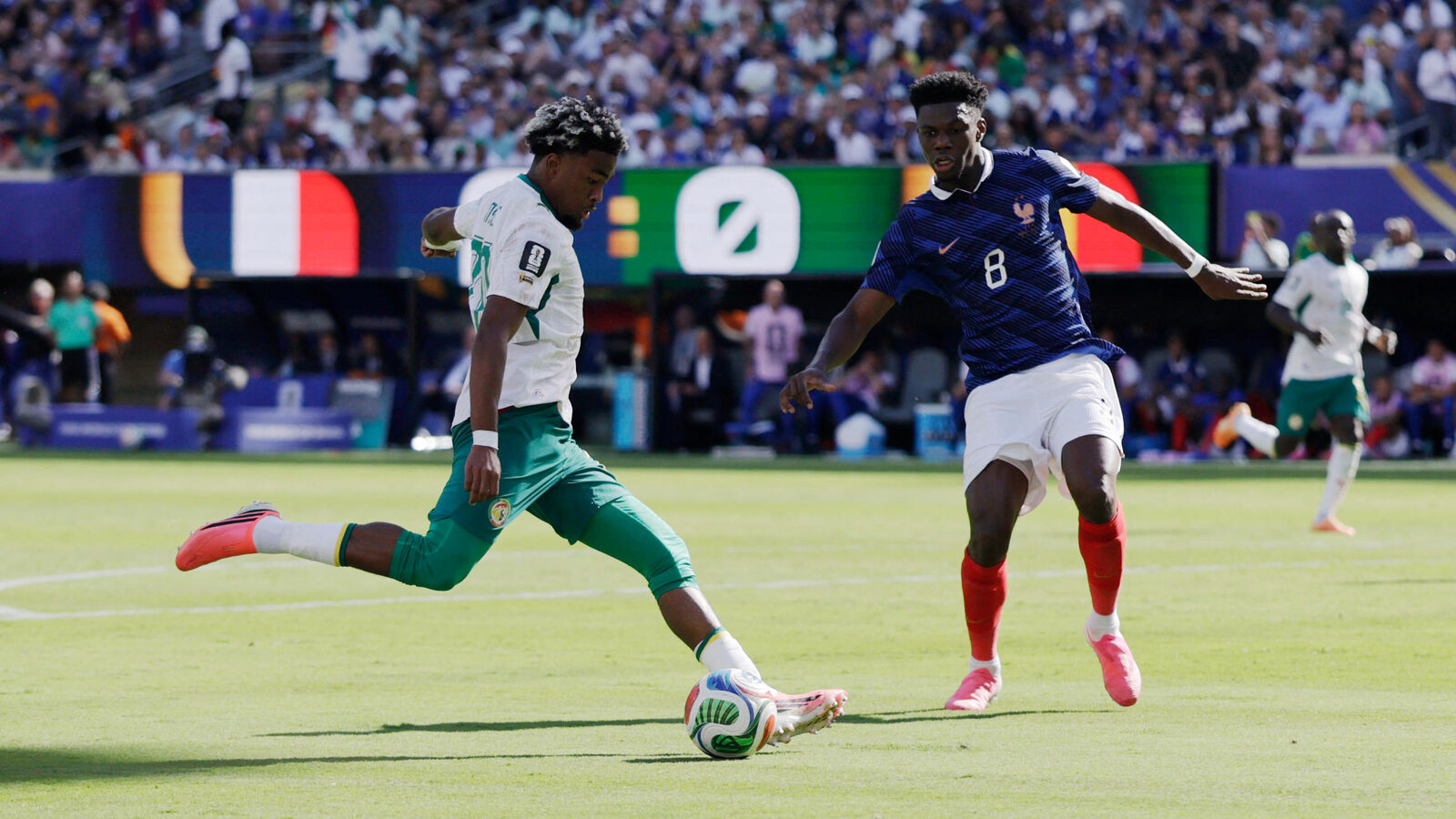
Aurélien Tchouaméni of France is defending against Senegal’s Ibrahim Mbaye during a Group I match at the FIFA World Cup 2026.
Senegal did not achieve the tournament they dreamed of.
The Lions of Teranga narrowly missed another deep World Cup run after heartbreaking defeats against France, Norway and Belgium.
Yet one positive emerged that could define Senegalese football for the next decade.
Ibrahim Mbaye. Still only 18, he became the youngest African player ever to score at a FIFA World Cup.
His goal against France demonstrated composure that should not exist in someone so young.
Throughout the tournament he showed pace, confidence and fearlessness against some of the world’s strongest defenders.
Those performances have naturally attracted European attention. Whether he moves immediately or continues his development elsewhere, one reality is clear.
Senegal have discovered another player capable of carrying their national team into the future.
After Sadio Mané’s generation, another leader is already emerging.
Europe Isn’t Stealing Africa’s Talent But Africa Must Benefit More
Every transfer mentioned in this article represents success.
African players deserve opportunities at Bayern Munich. At PSG, Juventus, Real Madrid.
Nobody should argue otherwise. The problem lies elsewhere.
African football often celebrates producing world-class footballers while receiving only temporary rewards from their development.
European clubs benefit from their peak years. European leagues receive the television audiences. And European competitions profit from the marketing value.
African football frequently settles for solidarity payments and national-team appearances.
That imbalance cannot continue forever. Morocco have shown one possible solution.
Their investment in academies, coaching education and infrastructure has created a system capable of producing elite talent continuously rather than relying on one exceptional generation.
Other African federations must now follow. The goal is not to stop transfers.
And the goal is ensuring every European success strengthens African football rather than weakening it.
The 2026 World Cup proved the continent possesses enough talent to compete with anyone.
Now African football must build structures capable of growing alongside that talent instead of constantly watching it leave.
What African Football Must Do Next
There is no shame in African football producing players that Europe desperately wants. In many ways, that is the greatest compliment the continent can receive.
The problem is not that African stars leave. The problem is that African football still struggles to benefit fully from their departure.
Every World Cup follows the same script. African nations produce elite talent, European clubs sign those players, and domestic leagues are left searching for the next generation before they have had time to enjoy the current one.
World Cup 2026 should force CAF, national federations and club owners to think differently.
The first priority is investing far more aggressively in youth academies. Morocco’s Mohammed VI Football Academy has become the benchmark, producing technically gifted footballers capable of competing with the world’s best.
Similar projects are needed across West, East, Central and Southern Africa if the continent wants sustained success rather than isolated golden generations.
The second priority is improving domestic competitions. African clubs cannot compete financially with Bayern Munich or Paris Saint-Germain.
But they can create stronger leagues that develop players for longer before they leave. Better broadcasting deals, improved sponsorships, modern stadiums and stronger prize money in CAF competitions would make clubs less dependent on selling their best assets at the earliest opportunity.
The third priority is ensuring that transfer success benefits African football directly. Every major sale should become an investment in coaching education, grassroots football, women’s football and youth infrastructure rather than simply balancing club finances.
The fourth priority is maintaining national-team continuity. Morocco proved that players competing in Europe’s biggest leagues can still remain fully committed to representing their country.
Egypt, DR Congo and Cape Verde now have similar opportunities to build long-term projects around players who will continue developing at elite European clubs.
Africa’s greatest strength has never been producing footballers. It has always been producing footballers who exceed expectations.
Now the challenge is producing systems capable of matching their ambition.
Europe Wins the Transfers.
Africa Must Win the Future
The summer transfer window will generate enormous headlines.
Some deals will break records. Others will create lifelong dreams for players who grew up hoping to compete at football’s highest level.
African supporters should celebrate every one of those achievements. But they should also ask difficult questions.
Why does the continent consistently produce extraordinary footballers without producing equally powerful club competitions?
Why do European clubs continue to dominate the business of African talent while African leagues struggle for global recognition?
And most importantly, how can the success of players abroad become a foundation for stronger football at home?
Those questions matter far more than any individual transfer.
Because while Bayern Munich may sign Ismael Saibari, PSG may eventually land Yan Diomande, and Europe’s biggest clubs continue monitoring Ayyoub Bouaddi, African football will already be producing the next generation.
The talent has never been the problem. Turning that talent into lasting continental success remains the challenge.
African Players Transfer: Verdict
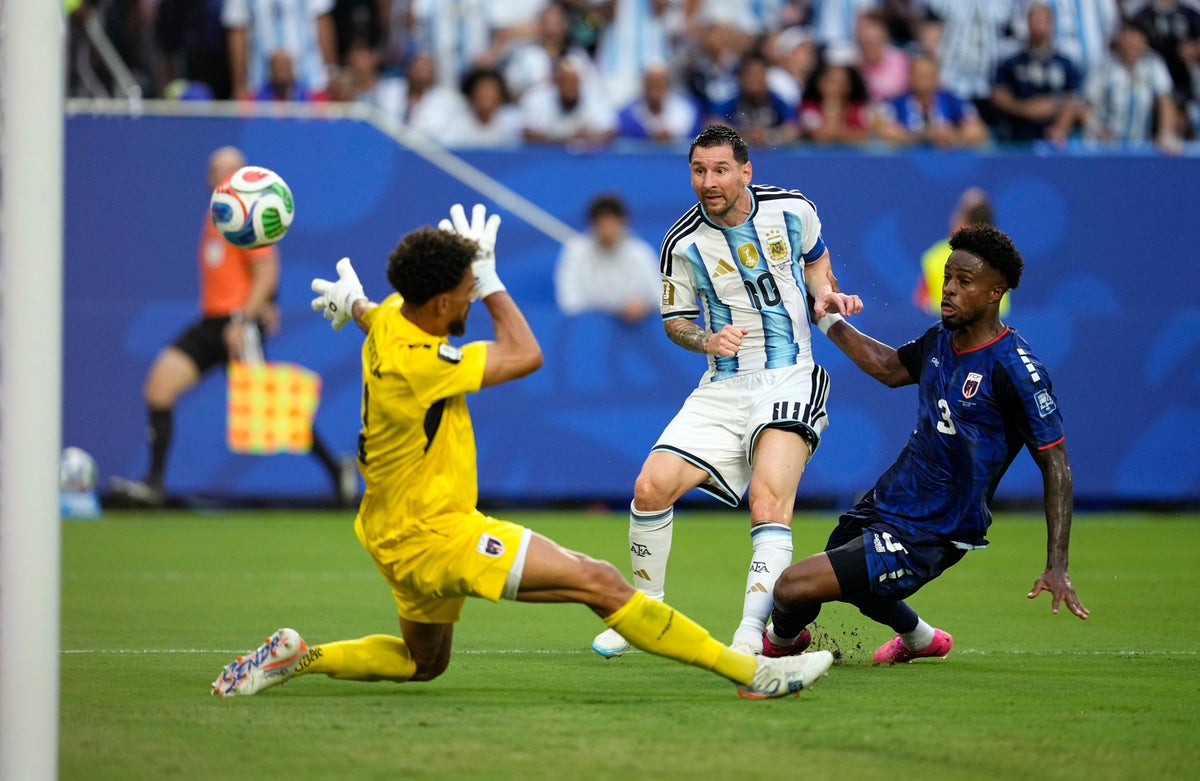
Lionel Messi and his Argentina teammates reacted in pure relief after a late own goal by Cape Verde’s Diney Borges saved them from a massive upset in the 2026 FIFA World Cup Round of 32.
World Cup 2026 changed the conversation around African football.
Ten African nations arrived in North America determined to prove that the continent belonged among football’s elite. Morocco reached another quarter-final. Egypt finally broke their World Cup knockout curse.
DR Congo announced themselves after more than five decades away. Cape Verde became the tournament’s greatest surprise.
Those achievements immediately attracted Europe’s attention.
Within days of the final whistle, transfer speculation surrounding Africa’s brightest stars dominated headlines across the football world. That is both a victory and a warning.
It proves African football is producing players capable of becoming global superstars.
It also reminds the continent that success on the pitch must eventually translate into stronger clubs, stronger leagues and stronger football institutions.
Europe will always come for Africa’s best players. The real challenge is ensuring Africa keeps producing even better ones while building a football ecosystem capable of thriving alongside them.
If World Cup 2026 taught us anything, it is this. Africa is no longer chasing the world’s best. Africa is producing them.