African Football
Africa Made World Cup 2026 History: So Why Does It Still Feel Incomplete?
The FIFA World Cup 2026 was supposed to be a landmark moment for African football.
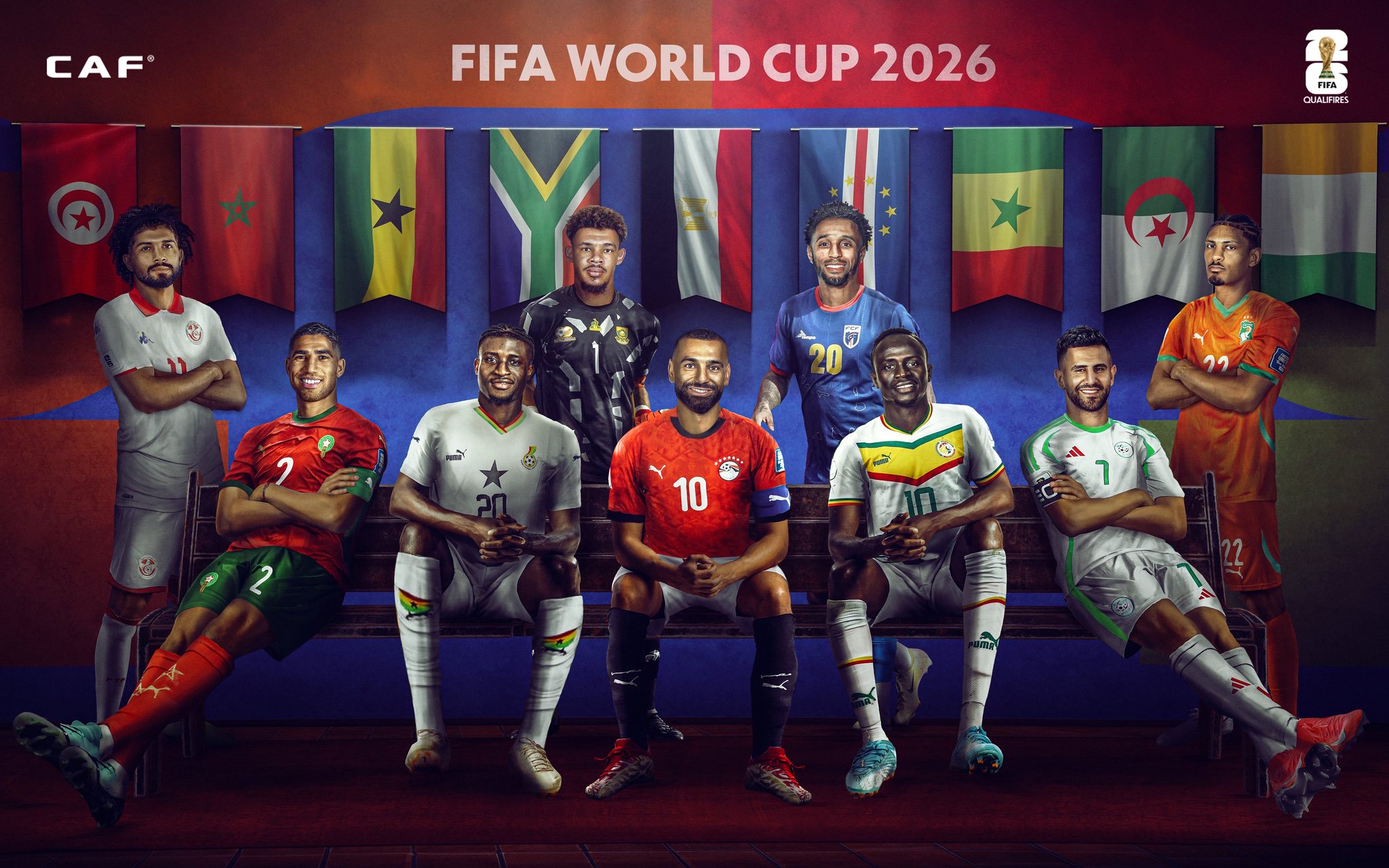
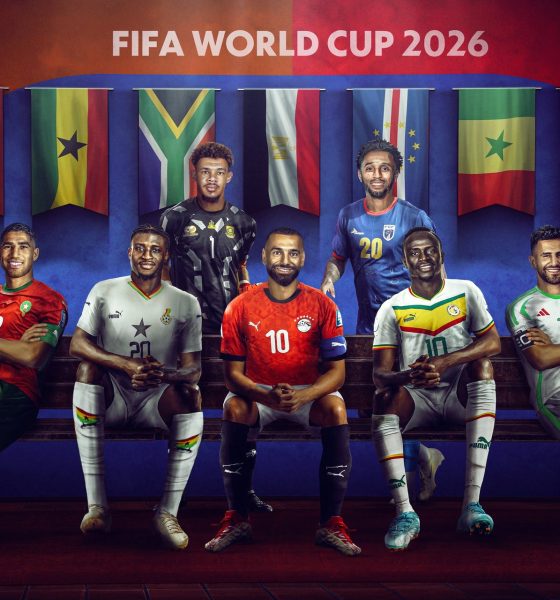
For the first time in history, 10 African nations qualified for the tournament, doubling the continent’s representation compared to Qatar 2022.
It was a chance not only to celebrate expansion but also to answer a question that has lingered for decades: Can African football consistently compete with the world’s elite?
In many ways, the answer was yes.
Africa recorded 11 victories during the tournament, adding significantly to the continent’s all-time World Cup win tally.
Nine of the ten representatives progressed beyond the group stage, several nations reached historic milestones, and newcomers like Cape Verde proved they belonged on football’s biggest stage.
Yet despite all the progress, there remains an uncomfortable truth. No African nation reached the semi-finals.
Morocco once again carried the continent’s hopes into the quarter-finals, Egypt finally broke its knockout curse, and DR Congo announced its return after more than five decades away. While Cape Verde became the tournament’s biggest fairy tale.
But as impressive as those stories were, they also exposed the next challenge African football must overcome.
The continent is no longer fighting to participate. It is now fighting to win.
Africa’s Best World Cup Since Expansion
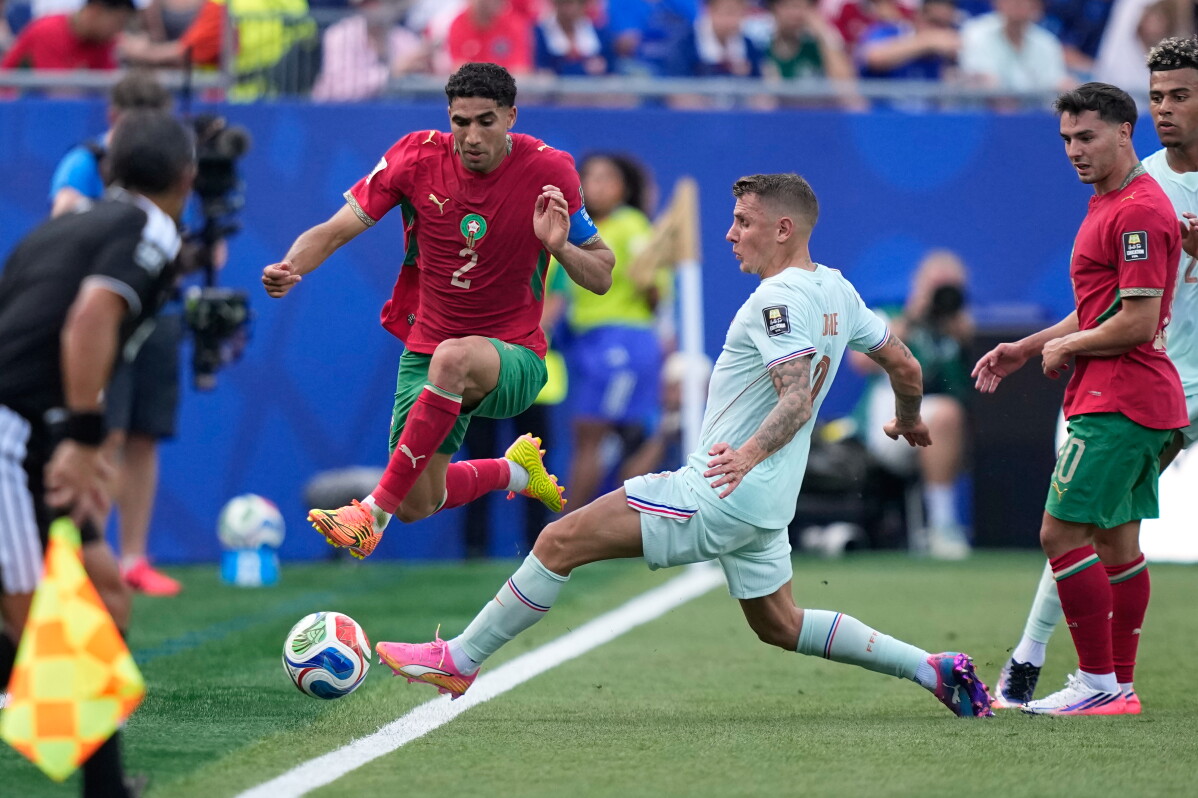
Achraf Hakimi battling for the ball during the FIFA World Cup 2026 quarterfinal match between France and Morocco at Boston Stadium.
Measured purely by numbers, World Cup 2026 was Africa’s strongest tournament ever.
Never before had so many African teams advanced beyond the group stage. Never before had so many nations recorded memorable victories in a single edition. The expanded tournament gave African football more opportunities, but the teams themselves made sure those opportunities counted.
The contrast with previous tournaments was striking. Instead of relying on one standout nation to carry continental hopes, Africa witnessed contributions from almost every representative.
Morocco confirmed that their famous run to the Qatar 2022 semi-finals was not a one-off achievement. Egypt finally produced the World Cup campaign supporters had dreamed about for generations.
DR Congo reminded everyone why their return after 52 years mattered. Cape Verde introduced themselves to the world with fearless performances against some of football’s biggest names.
Even teams eliminated early left important lessons. This was not simply about results. It was about perception.
For years, African teams were often viewed as unpredictable outsiders capable of occasional upsets. World Cup 2026 showed something different: African nations increasingly look tactically organised, physically prepared and mentally equipped to compete with Europe’s and South America’s traditional powers over multiple matches.
That shift may prove even more important than the results themselves.
Africa World Cup: Morocco Confirm Their Place Among Football’s Elite
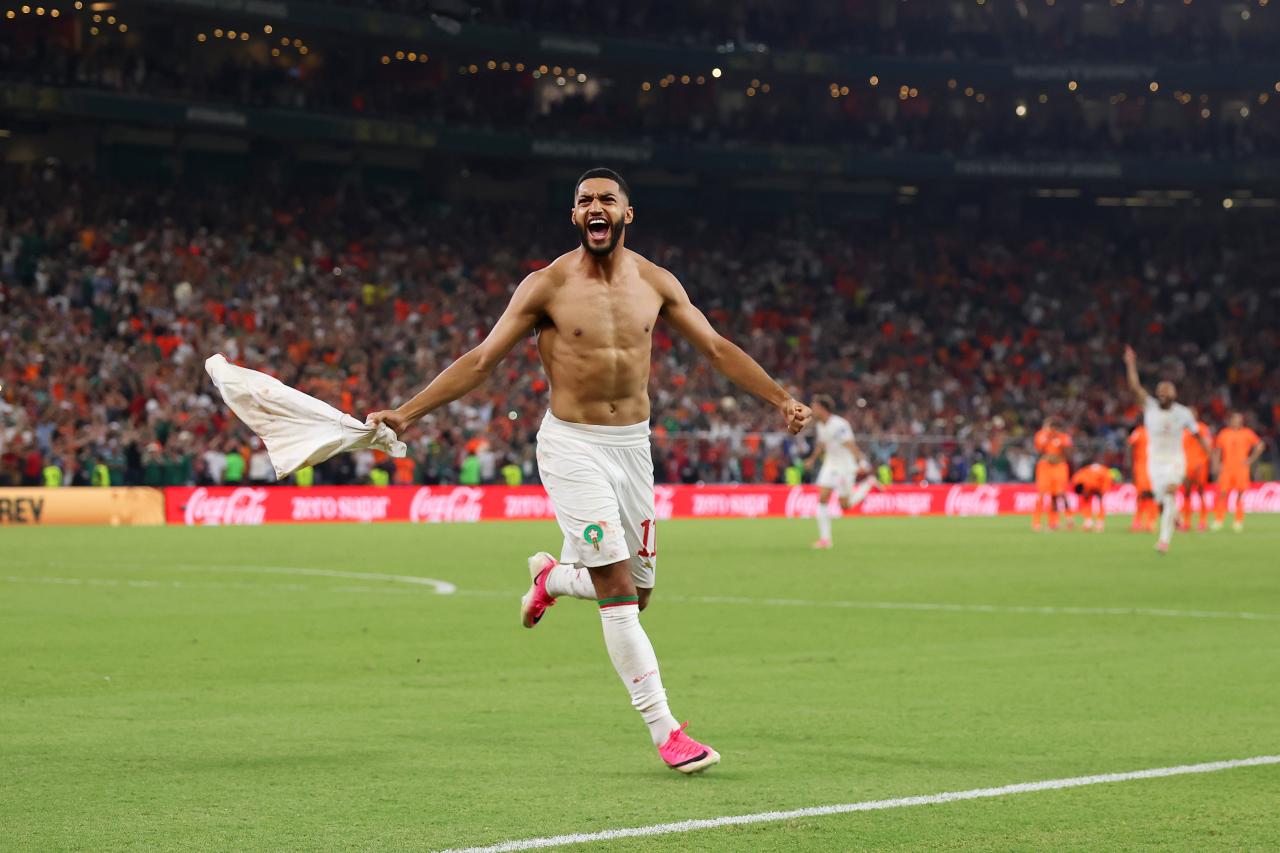
Moroccan midfielder Ismael Saibari celebrates after scoring the winning penalty against the Netherlands during the 2026 FIFA World Cup Round of 16.
If one team symbolised Africa’s continued growth, it was Morocco.
After becoming the first African nation to reach a World Cup semi-final in Qatar, many questioned whether the Atlas Lions could maintain those extraordinary standards four years later.
They answered emphatically. A draw against five-time champions Brazil immediately signalled Morocco’s intentions before victories over Scotland and Haiti secured qualification from a difficult group.
The knockout rounds further strengthened their reputation. They eliminated the Netherlands after a tense penalty shootout before comfortably defeating Canada to reach another World Cup quarter-final.
Only eventual semi-finalists France managed to stop their progress.
Although a 2-0 defeat ended Morocco’s campaign, the scoreline barely reflected goalkeeper Yassine Bounou’s outstanding performance, including a penalty save from Kylian Mbappé that kept the contest alive for long periods.
More importantly, Morocco’s success no longer feels extraordinary. It feels sustainable.
With the country preparing to co-host the 2030 FIFA World Cup alongside Spain and Portugal, Morocco has become the benchmark every African football nation now measures itself against.
Their success is no longer built solely on emotion or defensive resilience. It is supported by elite infrastructure, investment in youth development, strong coaching structures and a clear long-term football philosophy.
That combination explains why Morocco remains Africa’s leading football nation and why their achievements should now become the continent’s minimum standard rather than its greatest exception.
Africa World Cup: Egypt Finally Rewrote Their World Cup Story
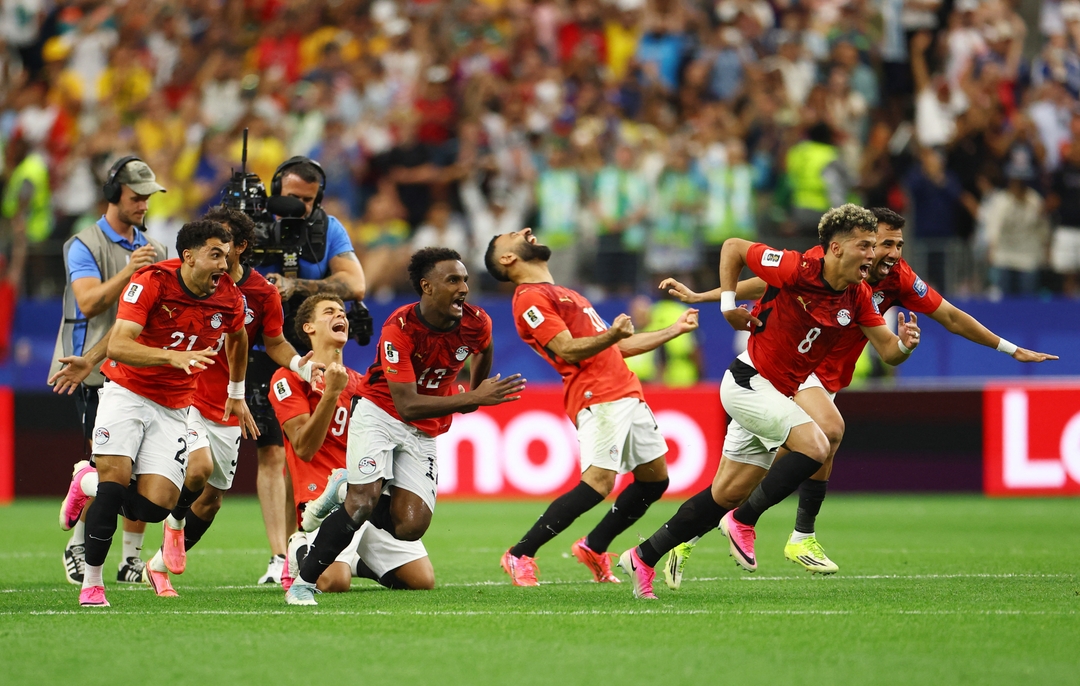
Egyptian national team players, including Trezeguet and Emam Ashour, are celebrating a penalty shootout victory against Australia to reach the 2026 FIFA World Cup round of 16 for the first time.
For decades, Egypt carried the reputation of being one of Africa’s football giants without having the World Cup record to match. Despite producing legendary players and dominating the Africa Cup of Nations, the Pharaohs had never managed to establish themselves on football’s biggest stage.
World Cup 2026 finally changed that narrative.
Drawn into one of the tournament’s most competitive groups, Egypt refused to be intimidated. They opened with disciplined performances against Belgium and Iran, earning two hard-fought draws that immediately signaled they belonged among the tournament’s serious competitors.
A convincing 3-1 victory over New Zealand secured qualification for the knockout stage, marking one of the most significant achievements in Egyptian football history.
But they were not finished. Facing Australia in the Round of 32, Egypt demonstrated remarkable composure. After a tense 1-1 draw that stretched into extra time, the Pharaohs held their nerve to win the penalty shootout 4-2, recording the country’s first-ever victory in a World Cup knockout match.
That achievement alone deserves its place in Egyptian football history. Their reward was a last-16 clash with defending champions Argentina.
For almost 80 minutes, Egypt produced one of the finest performances by an African nation at the tournament. Goals and disciplined defending gave them a stunning 2-0 lead as Lionel Messi and his teammates struggled to create clear opportunities.
Then football reminded everyone how cruel it can be. Cristian Romero sparked Argentina’s comeback before Messi once again proved why he remains one of football’s greatest competitors. Deep into the closing stages, Enzo Fernández completed the turnaround, crushing Egyptian dreams with a dramatic winner.
The scoreline will show a 3-2 defeat. The performance, however, showed something much bigger.
Egypt did not simply participate in World Cup 2026; they proved they could compete with the very best. For a nation that had spent decades searching for a defining World Cup moment, reaching the Round of 16 represents a psychological breakthrough that could shape the next generation of Egyptian football.
Rather than asking whether Egypt can compete on the world stage, the conversation now becomes how far they can go in future tournaments.
Africa World Cup: DR Congo’s Remarkable Return After 52 Years
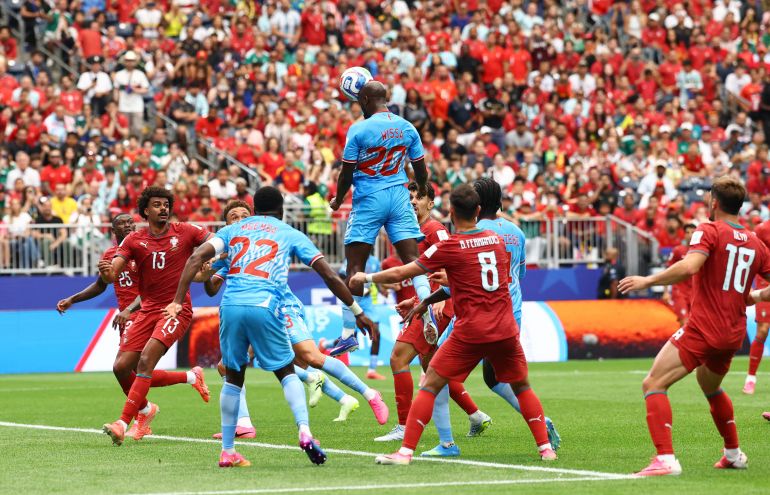
forward Yoane Wissa (#20) scored a historic equalizer for the DR Congo national football team in their 1-1 draw against Portugal at the 2026 FIFA World Cup.
Few African stories carried more emotion than the return of DR Congo.
The Leopards had not appeared at a FIFA World Cup since 1974, when they competed under the name Zaire. More than half a century later, they finally returned after navigating African qualifying and an intercontinental playoff.
Many expected them to simply enjoy the experience. Instead, they announced themselves immediately.
A thrilling 1-1 draw against Portugal showcased both courage and quality, with Yoane Wissa emerging as one of the tournament’s breakout performers.
Although Colombia edged them 1-0 in their second group match, DR Congo refused to panic.
Their response against Uzbekistan perfectly captured their resilience.
Wissa scored twice in a commanding 3-1 victory that sent the Leopards into the knockout rounds for the first time in their history.
For a nation absent from football’s biggest stage for 52 years, it was a remarkable achievement. Their reward was England.
Once again, DR Congo showed remarkable belief. Brian Cipenga stunned England with the opening goal, forcing one of Europe’s strongest sides onto the back foot.
Eventually, Harry Kane’s experience made the difference as England recovered to win 2-1. Despite elimination, DR Congo left the tournament with enormous credit.
Their performances proved that African football’s depth continues to grow beyond its traditional powerhouses.
If Morocco have become Africa’s established benchmark, DR Congo showed they possess the potential to become one of the continent’s next major forces.
Africa World Cup: Cape Verde’s Fairy-Tale Debut Captured the World’s Imagination
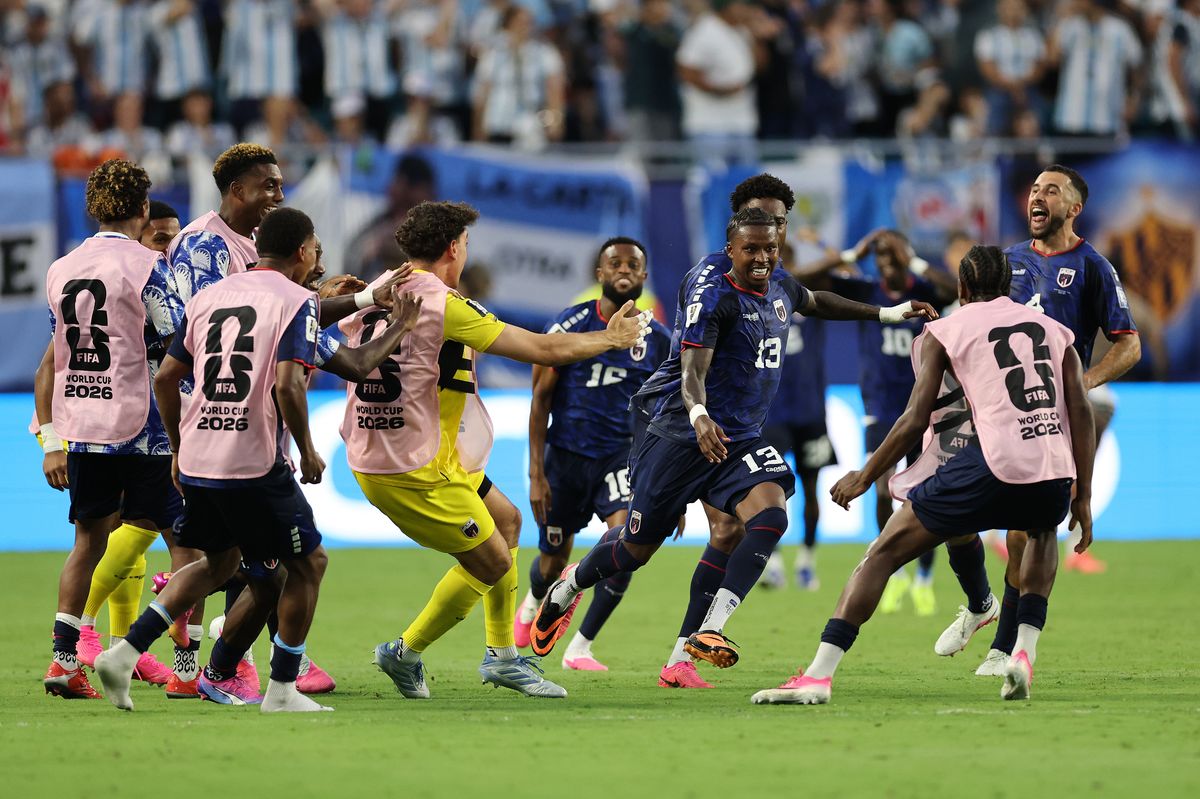
Cape Verde football players in dark blue uniforms are celebrating Sidny Lopes Cabral’s extra-time goal against Argentina at Miami Stadium during the 2026 FIFA World Cup Round of 32.
Every World Cup produces an underdog story. In 2026, that story belonged to Cape Verde.
The smallest nation ever to qualify for the FIFA World Cup arrived with little expectation outside Africa.
They left having earned worldwide admiration. Their opening match alone became one of the tournament’s biggest surprises.
Facing European champions Spain, Cape Verde defended heroically to secure a remarkable 0-0 draw, with goalkeeper Vozinha producing one outstanding save after another.
That result immediately transformed perceptions. The Blue Sharks followed with an entertaining 2-2 draw against Uruguay before holding Saudi Arabia to another draw that secured a historic place in the knockout rounds.
Making the Round of 32 in their first-ever World Cup was already an extraordinary achievement.
Then came Argentina. The reigning world champions expected a comfortable evening.
Instead, Cape Verde pushed Lionel Messi’s side into extra time during an unforgettable contest before eventually losing 3-2.
They walked off defeated. They also walked off having earned the respect of the football world.
Cape Verde’s campaign proved that careful planning, tactical discipline and belief can allow even the smallest football nations to compete against global giants.
For African football, their success serves as an inspiration that investment and long-term development can overcome limitations in population size and resources.
Africa World Cup: Senegal and Côte d’Ivoire Leave With Painful Regrets
Not every African campaign ended with celebration.
For Senegal and Côte d’Ivoire, World Cup 2026 will remain a tournament defined by opportunities that slipped away. Senegal’s journey reflected both brilliance and heartbreak.
Their tournament began with a difficult 3-1 defeat against France before another narrow loss to Norway, where Erling Haaland’s two goals proved decisive in a thrilling 3-2 encounter.
Yet the Lions of Teranga responded magnificently. A commanding 5-0 victory over Iraq demonstrated the attacking quality that had made Senegal one of Africa’s most respected teams.
Their Round of 32 meeting with Belgium looked destined to become another historic African victory.
Leading 2-0 with only minutes remaining, Senegal stood on the verge of qualification.
Then everything changed. Belgium scored twice within three frantic minutes to force extra time before Youri Tielemans converted a heartbreaking 125th-minute penalty that denied Senegal a penalty shootout and ended their World Cup dream.
The margins could hardly have been smaller. Côte d’Ivoire experienced similar heartbreak.
Playing some of the tournament’s most exciting football, the Elephants showcased emerging talents like Yan Diomandé alongside the creativity of Amad Diallo.
Diallo scored the winner against Ecuador before Nicolas Pépé inspired a victory over Curaçao.
Despite suffering a narrow defeat to Germany, the Ivorians remained one of the tournament’s most entertaining teams.
Their World Cup ended against Norway. Once again, the margins were painfully thin.
After finding an equaliser, Côte d’Ivoire appeared capable of forcing extra time before conceding a late winner that ended their campaign.
For both Senegal and Côte d’Ivoire, World Cup 2026 was not a story of failure.
It was a reminder of how brutally competitive football’s biggest tournament has become. Neither nation was significantly outplayed.
Instead, they were eliminated by moments. And that may be the strongest evidence yet that Africa is moving closer to consistently competing with the world’s traditional football powers.
Why World Cup 2026 Must Become Africa’s New Standard
If there is one lesson African football should take from World Cup 2026, it is that merely qualifying for the tournament is no longer enough.
The continent celebrated sending ten teams to the World Cup for the first time, and that expansion produced historic numbers. Africa recorded 11 victories more than in any previous edition and nine of the ten representatives reached the knockout stage. Those are achievements worth celebrating.
But they should not become the final destination. Only Morocco reached the quarter-finals. Once again, no African nation made the last four. Since Morocco’s historic semi-final appearance in Qatar 2022, many hoped another country would join them in breaking football’s traditional hierarchy.
Instead, the quarter-finals became the ceiling once more. That reality should drive African football forward rather than satisfy it.
The encouraging aspect is that the gap between Africa and the world’s elite continues to shrink. Egypt pushed Argentina to the edge. Senegal nearly eliminated Belgium. Cape Verde took the reigning world champions into extra time. DR Congo pushed England until the closing stages. Côte d’Ivoire matched Germany and Norway for long periods.
These were not one-sided defeats. They were matches decided by small moments: late goals, individual mistakes, and fine margins that often separate elite football from genuine title contenders.
The next challenge is learning how to win those moments consistently.
Africa World Cup: What CAF Must Learn Before 2030
If Africa genuinely wants to produce a World Cup finalist or even a champion by 2030 or 2034, progress cannot depend solely on talented players.
CAF and national federations must build sustainable football structures that consistently produce elite teams.
That means investing in:
- Modern coaching education programmes.
- Youth academies with long-term development plans.
- Stronger domestic women’s and men’s leagues.
- Better sports science and medical support.
- Improved football infrastructure across the continent.
- Greater stability in national team coaching appointments.
- Morocco’s recent success is no coincidence.
- Their World Cup achievements have been built on years of investment in facilities, youth development, coaching and federation planning. Egypt, DR Congo and Cape Verde have also demonstrated what becomes possible when preparation matches ambition.
- Other African nations now have clear examples to follow.
The Diaspora Is Becoming One of Africa’s Greatest Football Assets
Another major takeaway from World Cup 2026 is the growing influence of players with African heritage across international football.
Lamine Yamal lifted the World Cup with Spain while proudly carrying Moroccan and Equatorial Guinean roots.
Several other players representing European nations also maintain strong African family connections. Rather than viewing this solely as lost talent, African football can also see it as proof of the continent’s enormous influence on the modern game.
At the same time, CAF must continue creating environments that encourage dual-nationality players to represent African countries where possible.
Morocco’s recent success in recruiting diaspora talent has shown how valuable that strategy can become.
The Verdict: Celebrate Progress, But Demand More
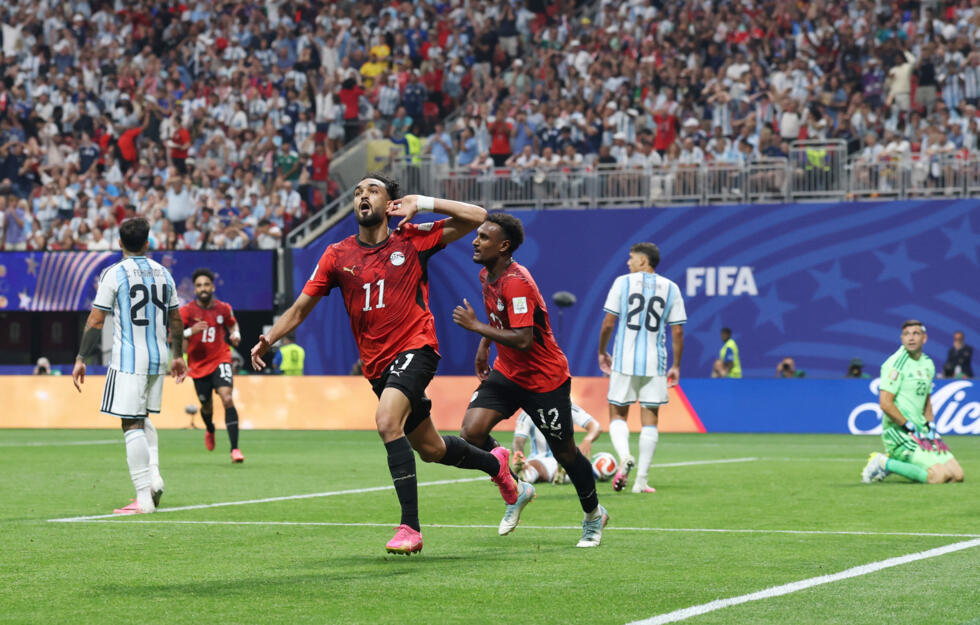
Mostafa Zico celebrating a goal for Egypt against Argentina in the 2026 FIFA World Cup.
World Cup 2026 will be remembered as one of Africa’s strongest collective performances.
The continent won more matches than ever before.
Nine teams reached the knockout rounds. Morocco confirmed they belong among football’s elite.
Egypt finally broke their knockout-stage barrier. DR Congo announced themselves after 52 years away. Cape Verde became the tournament’s greatest surprise.
Senegal and Côte d’Ivoire proved they can compete with the world’s best despite painful eliminations. Yet the biggest lesson is not that Africa has arrived.
It is that Africa is now close enough to demand more.
Quarter-finals should no longer be viewed as miracles. They should become expectations.
Semi-finals should become realistic objectives rather than once-in-a-generation dreams. And sooner rather than later, African football must stop celebrating respectable defeats against the world’s traditional powers and start expecting to eliminate them.
World Cup 2026 showed that Africa no longer belongs on football’s sidelines.
The next challenge is proving the continent belongs at the very top.
Verdict: The expanded World Cup did not simply give Africa more places; it revealed how much potential remains untapped. If CAF and its member associations learn the right lessons from 2026, this tournament may not be remembered as the peak of African football.
It may be remembered as the moment the continent finally realised it was capable of demanding much more.