African Football
What WAFCON 2026 Really Told Us About The Future Of African Women’s Football
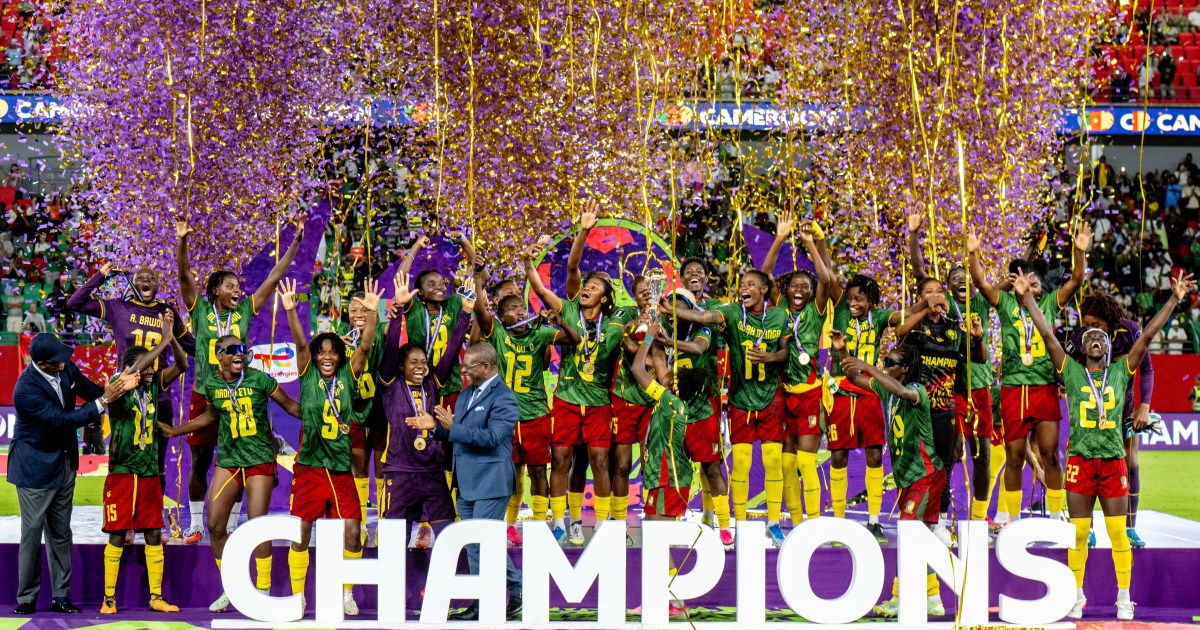
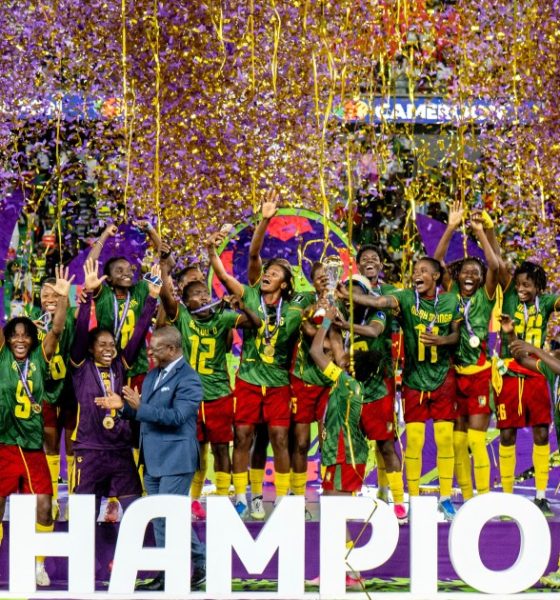
Cameroon are the champions of Africa.
The Indomitable Lionesses defeated Malawi 3–0 in the WAFCON 2026 final on Sunday, August 16, ending one of the most surprising and unpredictable Women’s Africa Cup of Nations tournaments in recent memory.
Marie Ngah scored twice, while Naomi Eto also found the net as Cameroon took control before half-time. Gabrielle Aboudi Onguene added a late fourth, according to match reporting.
But the final result tells only part of the story.
The bigger story is what happened before Cameroon lifted the trophy.
Nigeria, the most successful nation in WAFCON history, failed to qualify for the 2027 Women’s World Cup after losing to South Africa.
Hosts Morocco reached the semi-finals but were eliminated by Cameroon on penalties.
Malawi reached the final in their first-ever WAFCON appearance.
South Africa, Zambia, Ghana and other established powers were pushed harder than ever.
And Cameroon, after years of coming close, finally produced the decisive run.
This was more than a tournament.
It was evidence that African women’s football is changing.
Cameroon Finally Delivered What Generations Before Them Could Not
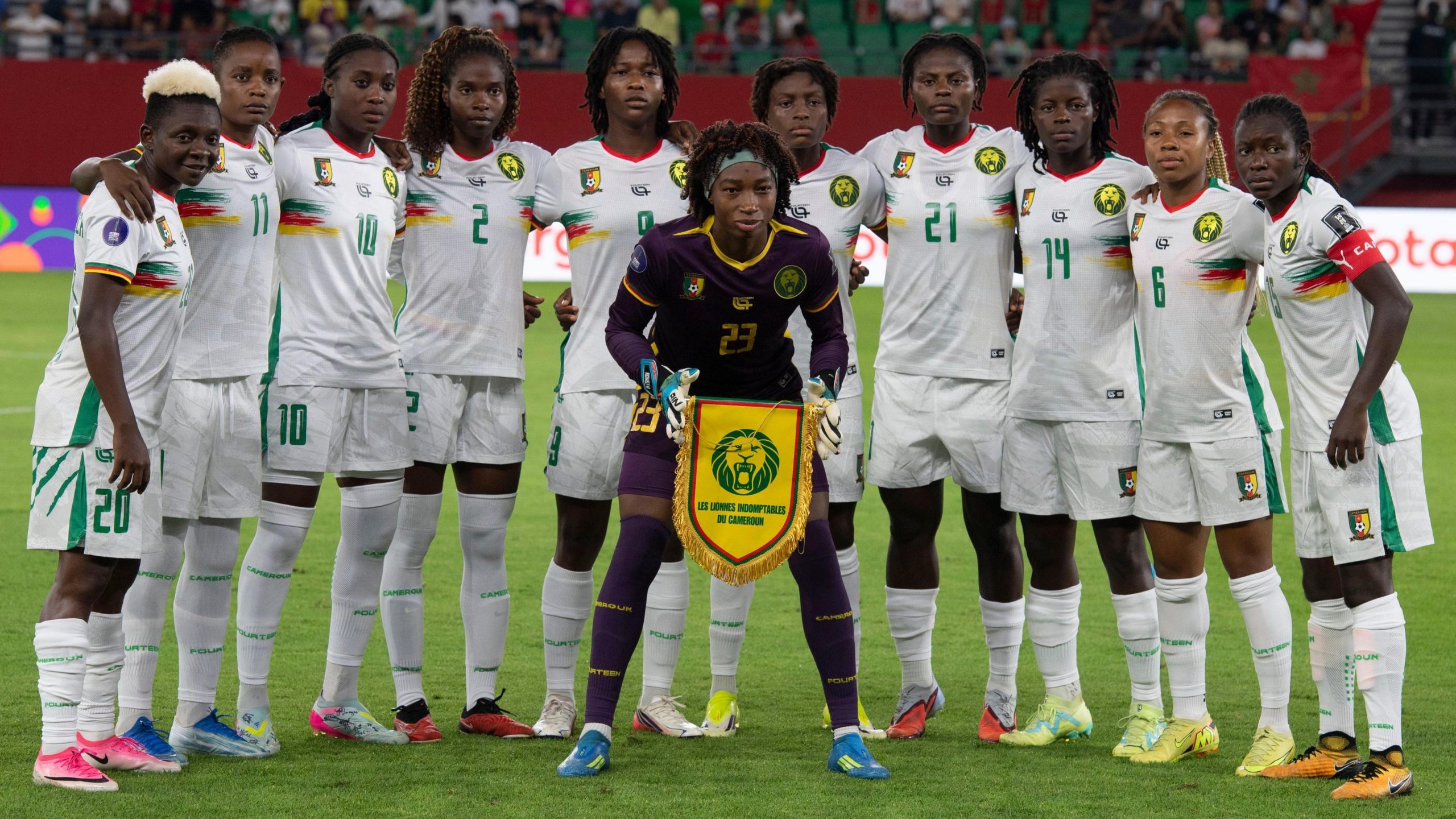
Cameroon’s Indomitable Lionesses posing for a team photo during their historic run at the 2026 Women’s Africa Cup of Nations (WAFCON), where goalkeeper Michaely Bihina led the side to their maiden continental title.
Cameroon entered the tournament with a history of heartbreak.
They had been one of Africa’s leading women’s teams for years without turning that consistency into the ultimate prize.
This time was different.
Their route to the trophy was arguably the most impressive of the tournament.
Cameroon defeated Mali in the group stage.
They survived Nigeria in the quarter-final.
They eliminated hosts Morocco in a penalty shootout.
Then Cameroon defeated Malawi 3-0 in the final.
That is four completely different tests. Technical quality. Pressure. Experience.
And finally the responsibility of being favourites in a final.
Cameroon passed every one. Their biggest achievement was not simply scoring goals.
It was their ability to stay emotionally stable. Against Nigeria, they were under pressure for long periods but refused to collapse.
Against Morocco, Cameroon survived a hostile atmosphere and the enormous pressure that comes with eliminating the host.
Against Malawi, they attacked the final from the start rather than letting the occasion overwhelm them. That is championship behaviour.
Cameroon did not merely win the final. They looked like a team that understood what the final required.
The Final Was Won by Cameroon in 45 Minutes
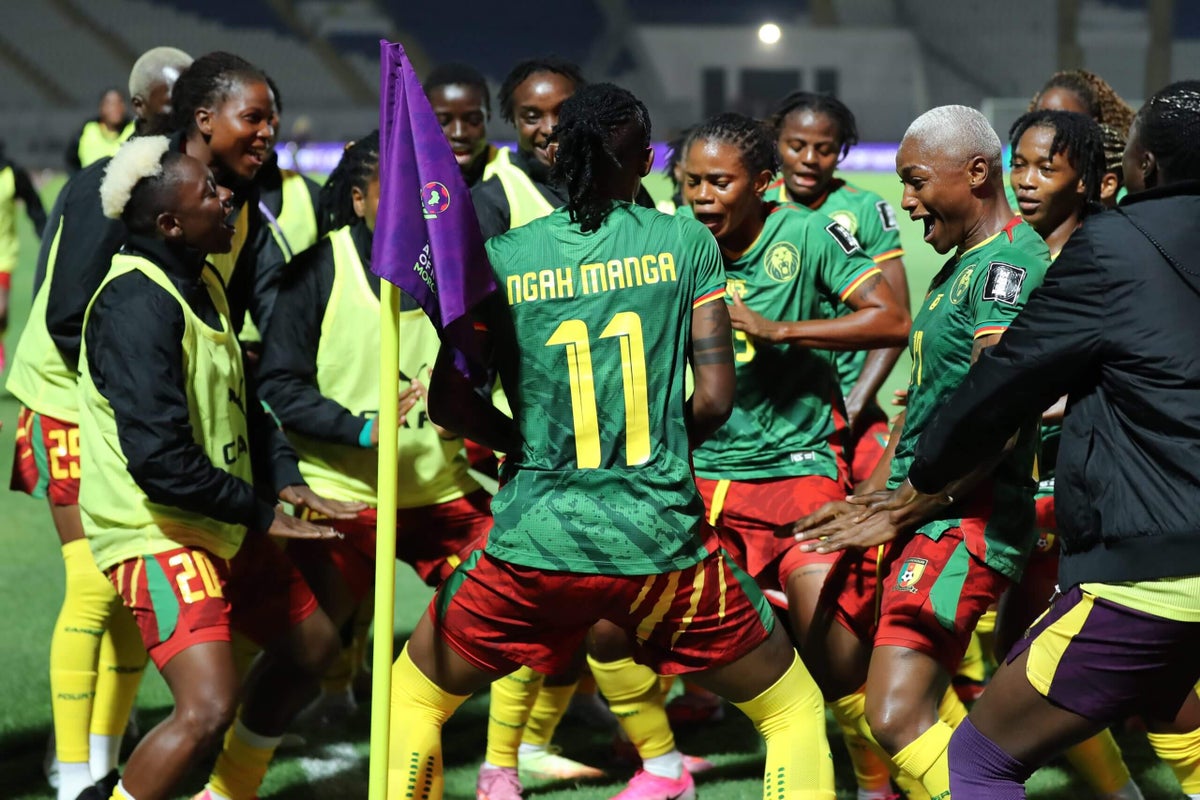
Cameroon women’s national football team players in green and red jerseys celebrating their historic 3-0 victory against Malawi in the 2026 WAFCON final match.
Malawi’s journey deserved enormous respect. But the final showed the difference between becoming a surprise finalist and being ready to become champion.
Cameroon attacked immediately. Ngah Manga opened the scoring.
Naomi Eto doubled the lead. Ngah Manga struck again before half-time.
By the interval, Malawi were three goals behind. The Scorchers had faced difficult moments throughout the tournament, but this was different.
They were playing a Cameroon side that had finally found the perfect balance between aggression and control.
Malawi’s greatest strength had been transition football. Give the Chawinga sisters space, and they could destroy a defence.
Cameroon did not give them enough. Instead, the Indomitable Lionesses used quick combinations and diagonal movement to pull Malawi’s defensive structure apart.
The match therefore became a tactical lesson. Malawi had spent the tournament proving that speed and direct attacking football could defeat established powers.
Cameroon demonstrated that disciplined possession and intelligent movement could neutralise that threat. The final was not an accident.
It was a tactical victory.
Marie Ngah Manga Became One of the Faces of the Tournament
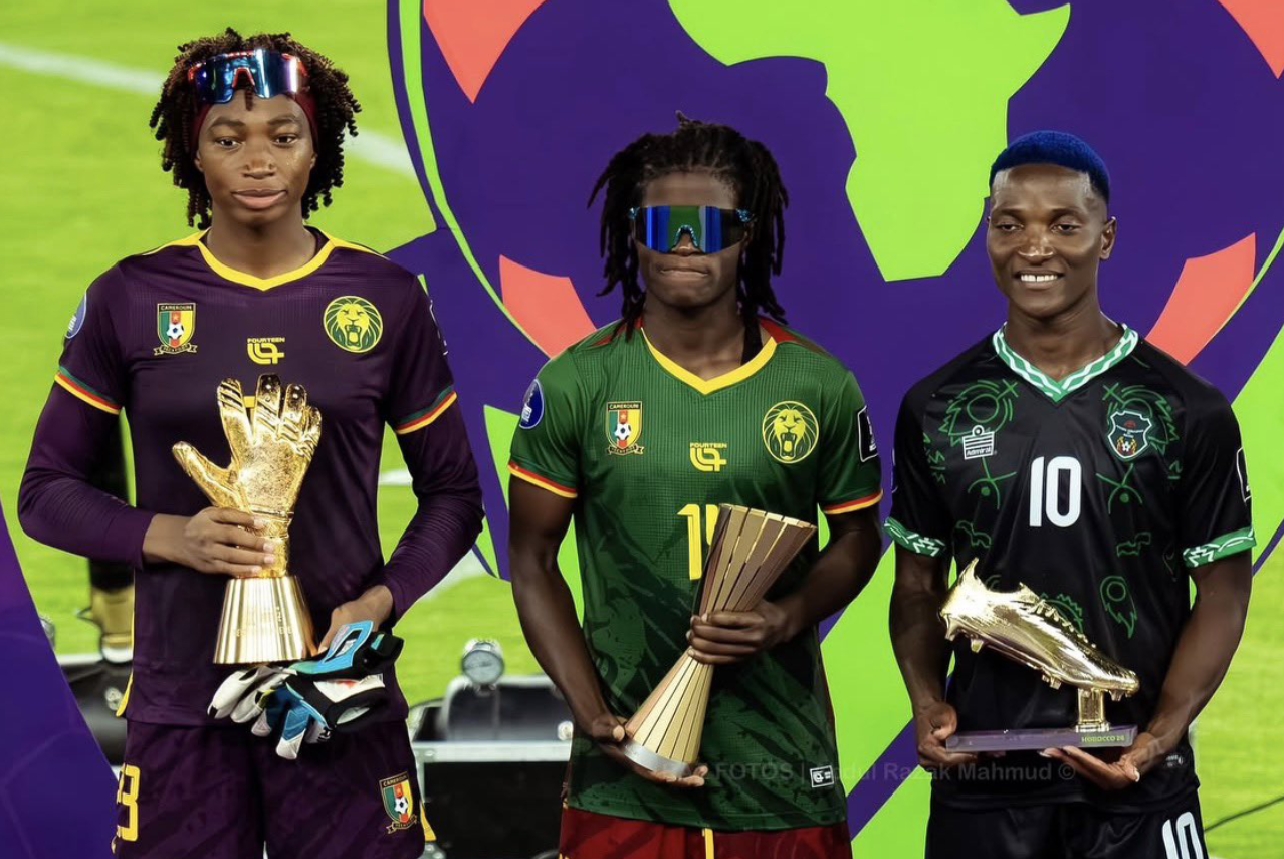
Cameroon WAFCON 2026 award winners Michaely Bihina with Golden Glove, Monique Ngock with MVP trophy, and Malawi’s Temwa Chawinga with Golden Boot.
One of the biggest individual stories at WAFCON 2026 was that of Marie Gisele Ngah Manga.
She entered the tournament already known as a prolific scorer in Turkey, where she had been one of the league’s leading attacking players. During WAFCON, that club form translated onto the international stage.
Her final performance was the perfect conclusion. Two goals. Relentless movement. Clinical finishing.
And the confidence to attack a debutant Malawi defence repeatedly.
The final made her one of the obvious faces of Cameroon’s title. It also highlighted an important change in African women’s football.
The best African players are increasingly arriving at major tournaments with extensive experience in Europe, the United States and other elite leagues.
They are no longer simply talented domestic players stepping into international football.
They are professionals accustomed to high-pressure environments. That standard is rising.
And WAFCON 2026 demonstrated it repeatedly.
The Individual Awards Tell Another Story
Tournament awards matter because they provide another way of understanding a competition. They separate the champion from the individual performances that shaped the entire tournament.
The most prominent individual story from Malawi was Temwa Chawinga.
The Kansas City Current forward arrived in Morocco already carrying an extraordinary club résumé: she had won consecutive NWSL MVP and Golden Boot awards and had become one of the most feared forwards in women’s football.
At WAFCON, she immediately showed why.
She scored twice against defending champions Nigeria in Malawi’s stunning 3-2 opening victory, becoming one of the players who defined Malawi’s historic run.
Chawinga’s tournament also demonstrates something important about the WAFCON’s growing global significance.
African players are arriving from elite leagues abroad and then returning home to become the faces of national teams.
That creates a powerful cycle. European and American football develops the players.
African international football gives them a stage. And performances at WAFCON can then create new opportunities.
Michaely Bihina Was the Tournament’s Best Goalkeeper
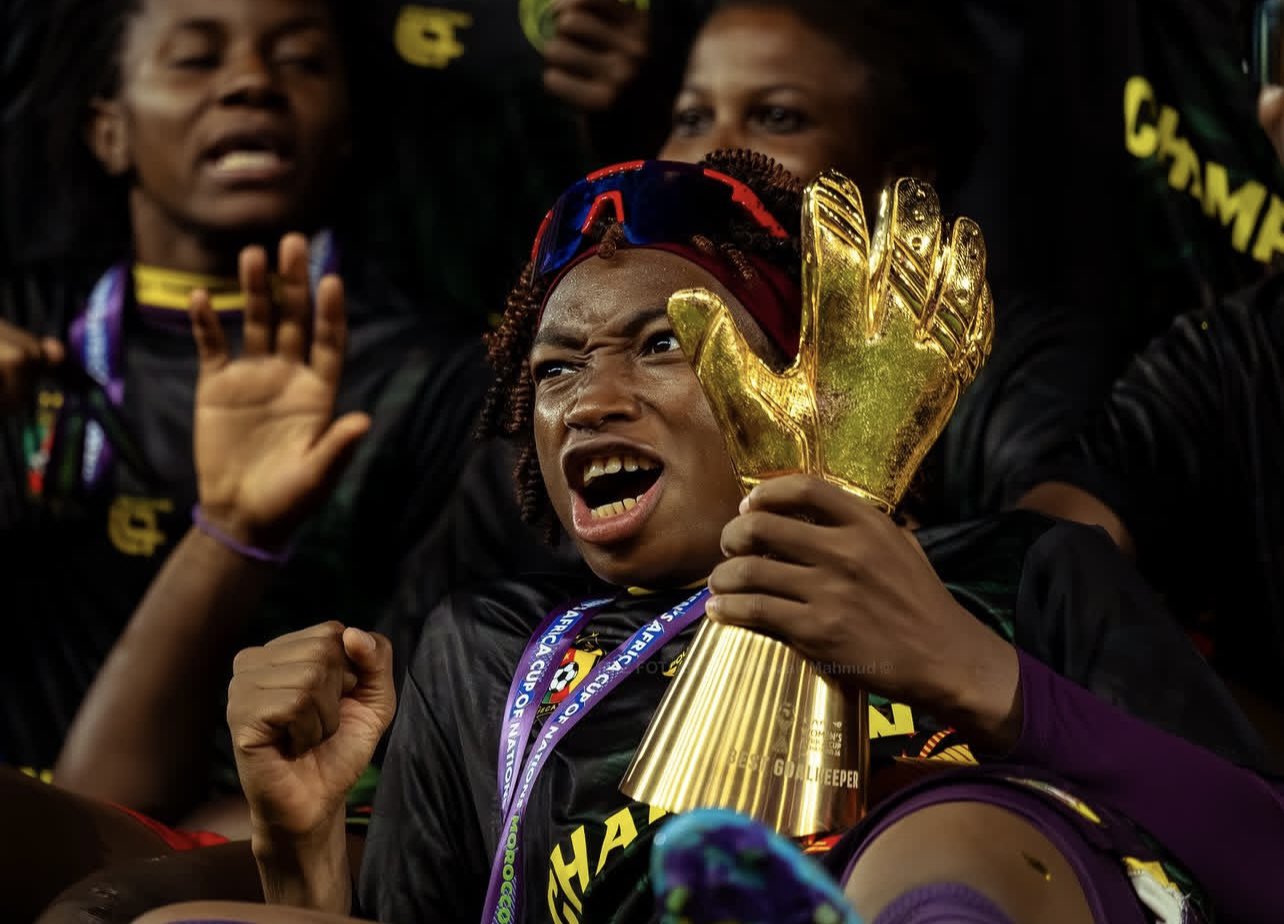
Cameroonian goalkeeper Michaely Bihina, celebrating with her Golden Glove award after winning the 2026 Women’s Africa Cup of Nations (WAFCON).
If one player outside the final’s goalscorers deserved to become a household name from this tournament, it was Michaely Bihina.
The Cameroonian goalkeeper was already highly regarded before WAFCON, but Morocco turned her into a major international story.
Her quarter-final performance against Nigeria was extraordinary. Nigeria created chances. Bihina stopped them.
Again and again. Then came the semi-final against Morocco.
Another clean sheet. Another pressure-filled knockout match.
And another penalty shootout. Bihina saved penalties and helped Cameroon reach the final.
That sequence changed the trajectory of her tournament. It is why African supporters, European scouts, and women’s football fans outside Africa began talking about her.
The goalkeeper position is often overlooked when women’s football is discussed. WAFCON 2026 reminded everyone how decisive elite goalkeeping can be.
Cameroon did not become champions because Bihina alone won matches. They became champions because their defence trusted her.
And that confidence allowed the players in front of her to play more aggressively.
Malawi Lost the Trophy and Still Won History
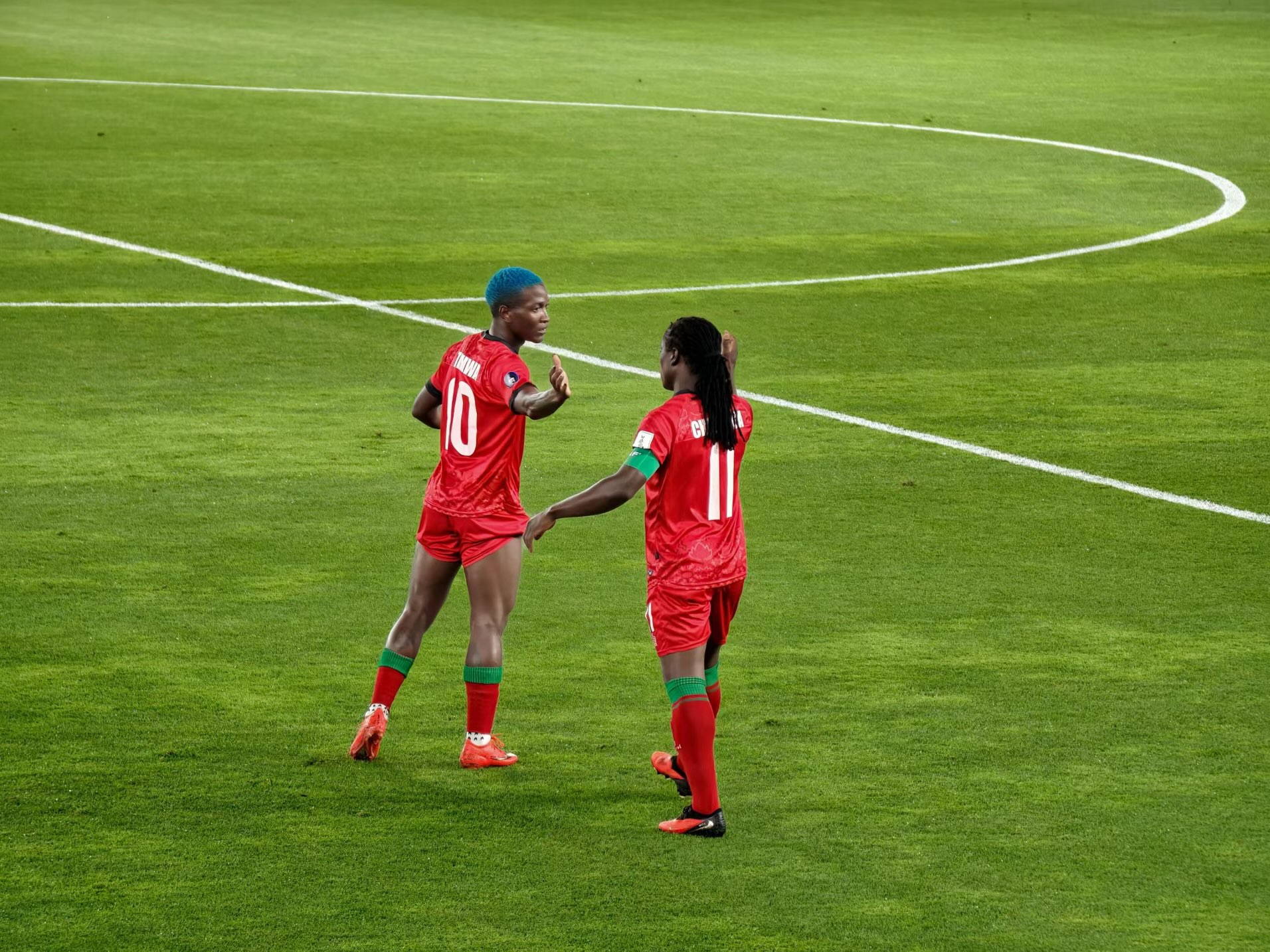
Malawian football stars and sisters Temwa Chawinga (left, in the number 10 red jersey with blue-dyed hair) and Tabitha Chawinga (right, in the number 11 red jersey) sharing a moment on the pitch during a historic campaign.
The 3-0 final score will hurt Malawi. It should.
They came this far because they believed they could win. But the bigger story remains extraordinary. Malawi were making their WAFCON debut.
They reached the final. They qualified for the 2027 Women’s World Cup.
And they became one of the most discussed women’s football teams in Africa. That is a transformation.
Before the tournament, Malawi were outsiders. After the tournament, nobody can describe them that way again.
The Chawinga sisters were central to that change. Tabitha provided experience and leadership. Temwa provided goals and explosiveness.
Together they gave Malawi an identity. And that identity will now have to evolve.
The next step is obvious.
Can Malawi build a squad deep enough to compete when opponents learn how to stop the Chawingas?
That is the challenge facing their football federation. A great tournament creates attention.
Good administration turns attention into sustainable development.
Nigeria’s Failure Cannot Be Separated From This Story
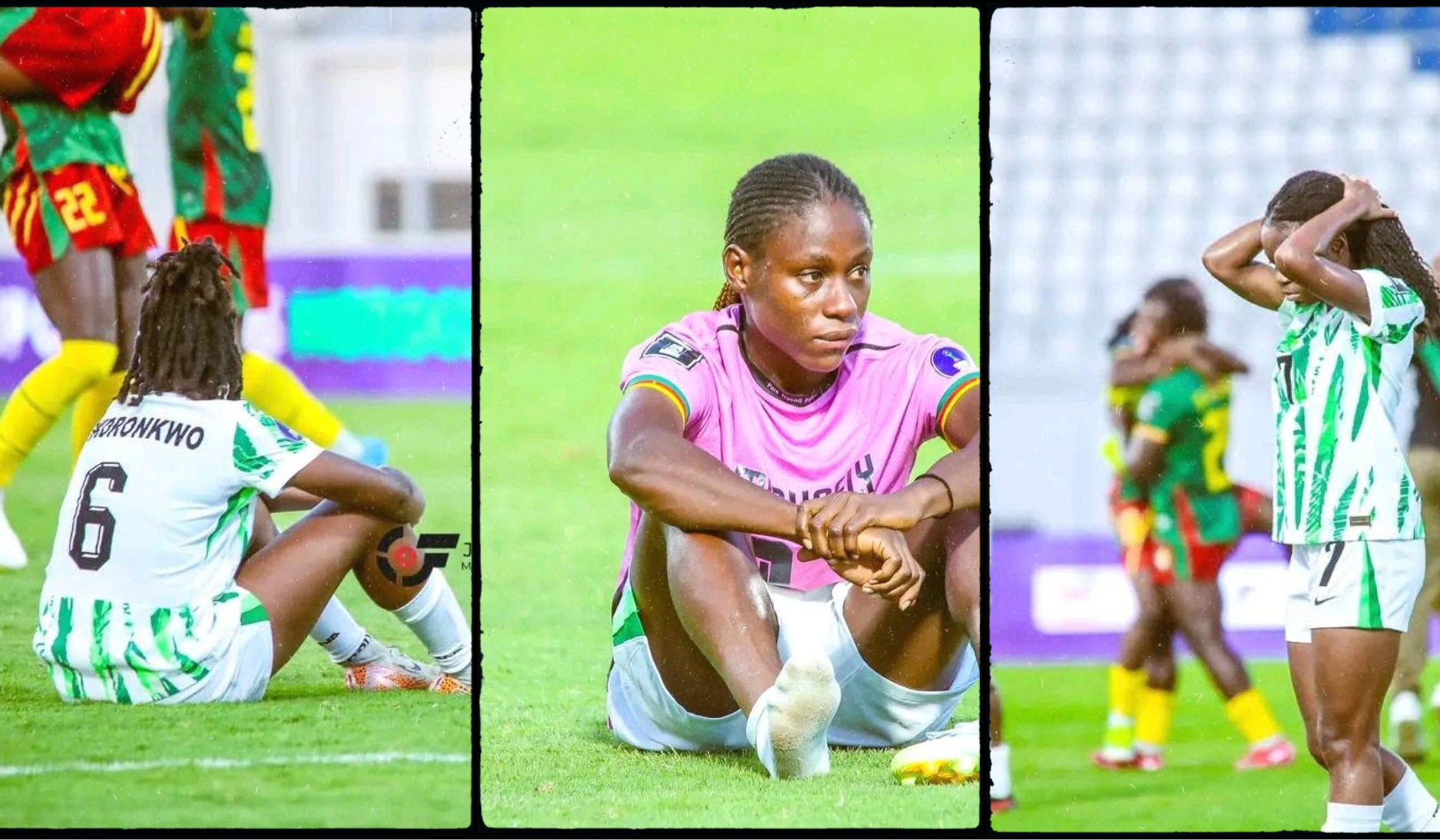
Esther Okoronkwo and her Super Falcons teammates were visibly heartbroken after Nigeria’s 1-0 defeat to Cameroon in the quarter-finals of the 2026 Women’s Africa Cup of Nations on August 9, 2026.
The biggest shock of WAFCON 2026 remains Nigeria’s collapse. The Super Falcons entered as defending champions.
They had won WAFCON ten times.
They had never previously failed to reach at least the semi-finals. Now they will miss the 2027 Women’s World Cup.
South Africa defeated Nigeria 2-1 in the qualification play-off and ended one of the most extraordinary qualification records in women’s international football.
That result should not be treated as an isolated upset. It is part of the larger story of WAFCON 2026.
Nigeria are no longer operating in an environment where history creates an automatic advantage. The competition has caught up.
South Africa have won a WAFCON. Morocco have reached consecutive finals. Zambia have developed elite attackers.
Malawi have reached a final on debut. Cameroon have now become champions.
The gap that once existed between Nigeria and the rest is shrinking rapidly.
That is good for Africa. It is also a warning for Nigeria.
Morocco’s Home Tournament Ended in More Pain
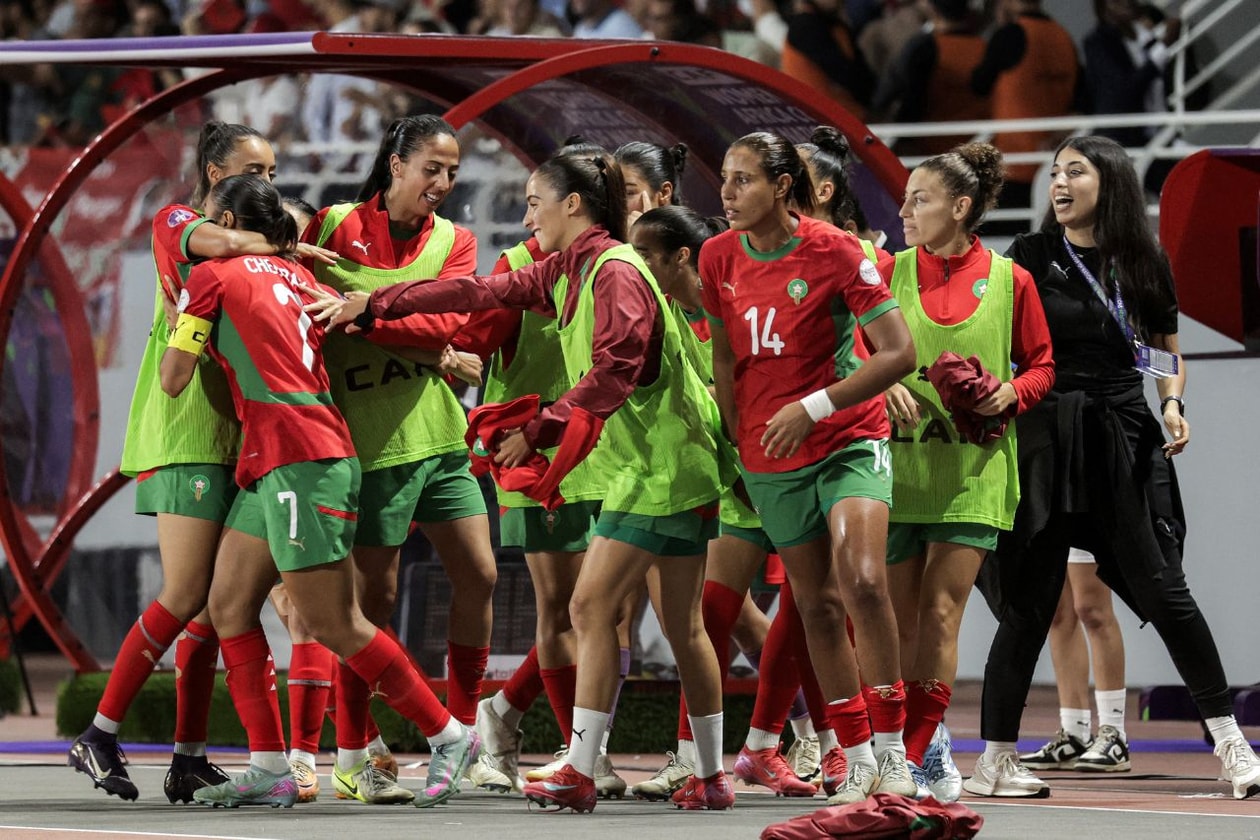
Morocco national women’s football team celebrating a victory over Mali in July 2025.
Morocco were supposed to be one of the stories of the tournament. They had home advantage. They had reached the previous two finals.
And they possessed one of the continent’s most experienced squads.
Instead, the Atlas Lionesses fell to Cameroon in a semi-final penalty shootout. Yet it would be unfair to describe the tournament as a failure.
Morocco remain part of the elite. Their challenge is now psychological as much as technical.
They have demonstrated that they can reach the biggest matches. They need to learn how to win them.
That is the final step. And perhaps the biggest lesson from Cameroon is that repeated disappointment can eventually become experience.
The Indomitable Lionesses had spent years losing major matches. They eventually learned how to win them.
Morocco may be next.
WAFCON Has Become a Global Talent Market
Another major lesson from this tournament is the growing relationship between WAFCON and the international transfer market.
The tournament was filled with players from the NWSL, European leagues and top African clubs.
Temwa Chawinga arrived from the Kansas City Current with consecutive league MVP and Golden Boot awards.
Tabitha Chawinga represented Lyon. Monique Ngock came in with experience in France and has since secured a move to Washington Spirit.
Barbra Banda arrived as one of Zambia’s biggest stars from the NWSL. Racheal Kundananji’s profile has continued to rise.
That means WAFCON is no longer simply a tournament for national-team glory. It is a scouting platform.
A player can arrive in Morocco relatively unknown internationally and leave with clubs around the world watching closely.
For African football, that creates an opportunity. CAF and national federations need to capitalise on it.
The tournament should be marketed globally. Its stars should be promoted.
Its matches should be easier to watch internationally.
And its data should be made more accessible. Because the talent is clearly there.
The Tournament Also Exposed African Football’s Remaining Problems
WAFCON’s progress should not make us ignore its weaknesses. The tournament still deserves stronger global broadcasting.
Women’s African football needs more consistent investment between tournaments.
Players need better domestic professional structures. Prize money needs to continue rising. And national teams need more stable technical programmes.
Those are not glamorous conversations. But they determine whether today’s breakthrough becomes tomorrow’s normality.
The biggest danger after a historic tournament is forgetting the lessons once the trophy has been lifted.
Cameroon now have the responsibility of proving their title was the beginning of a new era rather than a one-off.
Malawi have to turn their fairy tale into a development programme.
Nigeria need a rebuild. Morocco need to convert progression into trophies. South Africa need to maintain their standards.
And the rest of the continent has to keep chasing.
The 2027 World Cup Will Show Whether the Progress Is Real
Four teams earned direct qualification for Brazil through the WAFCON semi-finals, while additional African teams entered the longer play-off route. The expanded 2026 tournament therefore had consequences far beyond the trophy itself.
Cameroon and Malawi will arrive at the World Cup carrying completely different expectations.
Cameroon will be African champions. Malawi will be making history.
That creates another fascinating test.
Can Cameroon translate continental dominance into global competitiveness?
Can Malawi reproduce their fearless WAFCON performances against the world’s strongest teams?
That is where the real measurement begins.
What We Will Remember About WAFCON 2026
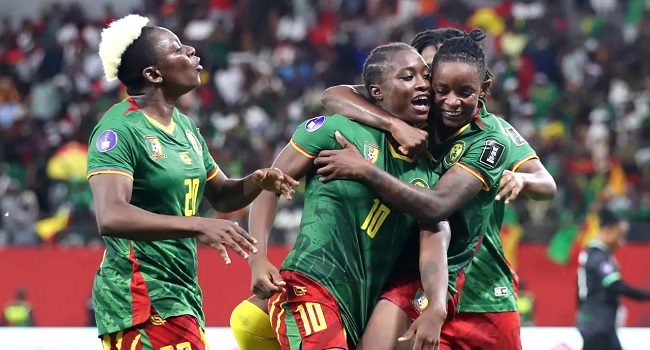
Forward Marie Ngah Manga and midfielder Naomi Eto lead the goal celebration as Cameroon secures its first-ever Women’s Africa Cup of Nations title on August 16, 2026.
Years from now, people will remember the final. Cameroon lifting the trophy. Malawi walking away as runners-up.
But they should also remember everything that led there. The Chawinga sisters changing Malawi’s football history.
Bihina becoming a breakout goalkeeper. Nigeria suffering an unprecedented collapse.
Morocco failing again in front of their home supporters. South Africa continuing their rise.
And Cameroon finally turning years of near-misses into a continental championship. That is why WAFCON 2026 was so important.
It did not simply crown a champion. It redistributed belief.
Malawi now believes they can compete. Cameroon believes they can win.
Verdict: Cameroon Won the Trophy, but Africa Won a New Competitive Era
Cameroon deserved to win WAFCON 2026.
Their route through Nigeria and Morocco before dominating Malawi in the final demonstrated the resilience, organisation and mentality of champions.
But the most important outcome of the tournament goes beyond Cameroon’s trophy.
African women’s football has become more competitive, more global and much harder to predict.
The individual performers told that story. Temwa Chawinga gave Malawi a world-class attacking reference point.
Michaely Bihina became a tournament-defining goalkeeper.
Marie Ngah Manga finished the competition with the kind of final performance that belongs in championship history.
Monique Ngock continued her rise as one of Cameroon’s most important young midfielders.
And the tournament once again demonstrated how much talent the continent possesses.
Where the next WAFCON winner comes from is now genuinely uncertain.
That uncertainty is not a weakness. It is the clearest evidence yet that the women’s game is growing.