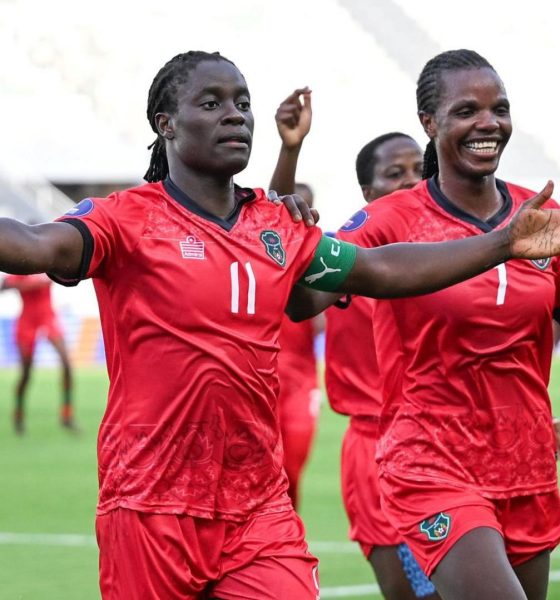
AFCON
WAFCON 2026 Semi-Finals: How They Played Out And What To Expect In The Final
The WAFCON 2026 semi-finals have produced the most unexpected final in recent Women’s Africa Cup of Nations history.
Morocco’s home advantage is gone. Nigeria’s title defence is over. Ghana and South Africa are no longer in contention for the trophy.
And instead of another meeting between Africa’s traditional women’s football powers, Cameroon and debutants Malawi will meet in the WAFCON 2026 final on Sunday, August 16. Malawi booked their place with a 3-1 victory over Algeria. While Cameroon eliminated hosts Morocco after a goalless draw and penalty shootout.
That is not simply an interesting final. It is a statement about how quickly women’s football in Africa is changing.
Cameroon have experience, history and one of the tournament’s outstanding goalkeepers.
Malawi have the Chawinga sisters, enormous momentum and the confidence of a team that has already achieved something nobody expected when the competition began.
One of them will become African champion. And neither arrived in the final through the route most people predicted.
The Biggest WAFCON Shock: Morocco Are Out on Home
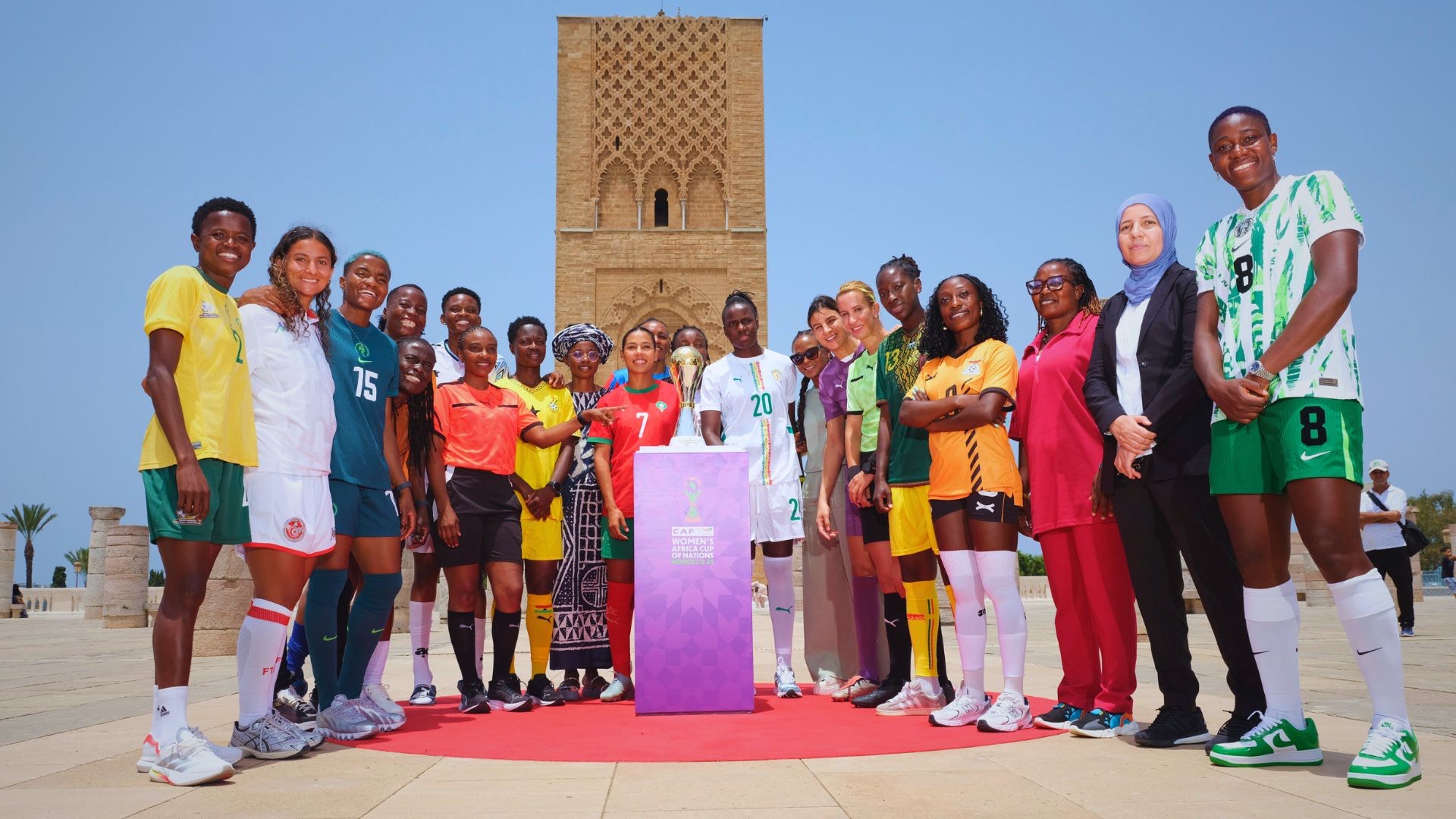
Players and officials gathering in front of the historic Hassan Tower in Rabat, Morocco, during the official unveiling of the new TotalEnergies CAF Women’s Africa Cup of Nations (WAFCON) trophy.
The first semi-final produced the most emotionally difficult result of the tournament for the hosts.
Morocco entered WAFCON 2026 carrying enormous expectations. They were playing at home.
And they had reached the final of the previous two editions.
They were among the tournament favourites. And they were trying to become the first North African nation to win the competition.
Instead, their campaign ended against Cameroon in the cruellest possible way. The match finished 0-0 after normal time and extra time, forcing a penalty shootout. Cameroon prevailed to reach the final.
For Morocco, the elimination represents another painful near-miss. The Atlas Lionesses have now repeatedly demonstrated that they belong among Africa’s strongest women’s teams. Their problem is no longer reaching the decisive stages.
It is winning them. That distinction matters.
Morocco have built a serious women’s football programme, invested in infrastructure and developed players capable of competing with Africa’s traditional giants. But the gap between being a finalist and becoming champion remains enormous.
Playing at home was supposed to provide the final advantage. Instead, it became another source of pressure.
The expectations from supporters, the media and the wider Moroccan football establishment were enormous.
Cameroon absorbed that pressure better. And eventually won the shootout.
Michaely Bihina Has Become One of the Stories of the WAFCON Tournament
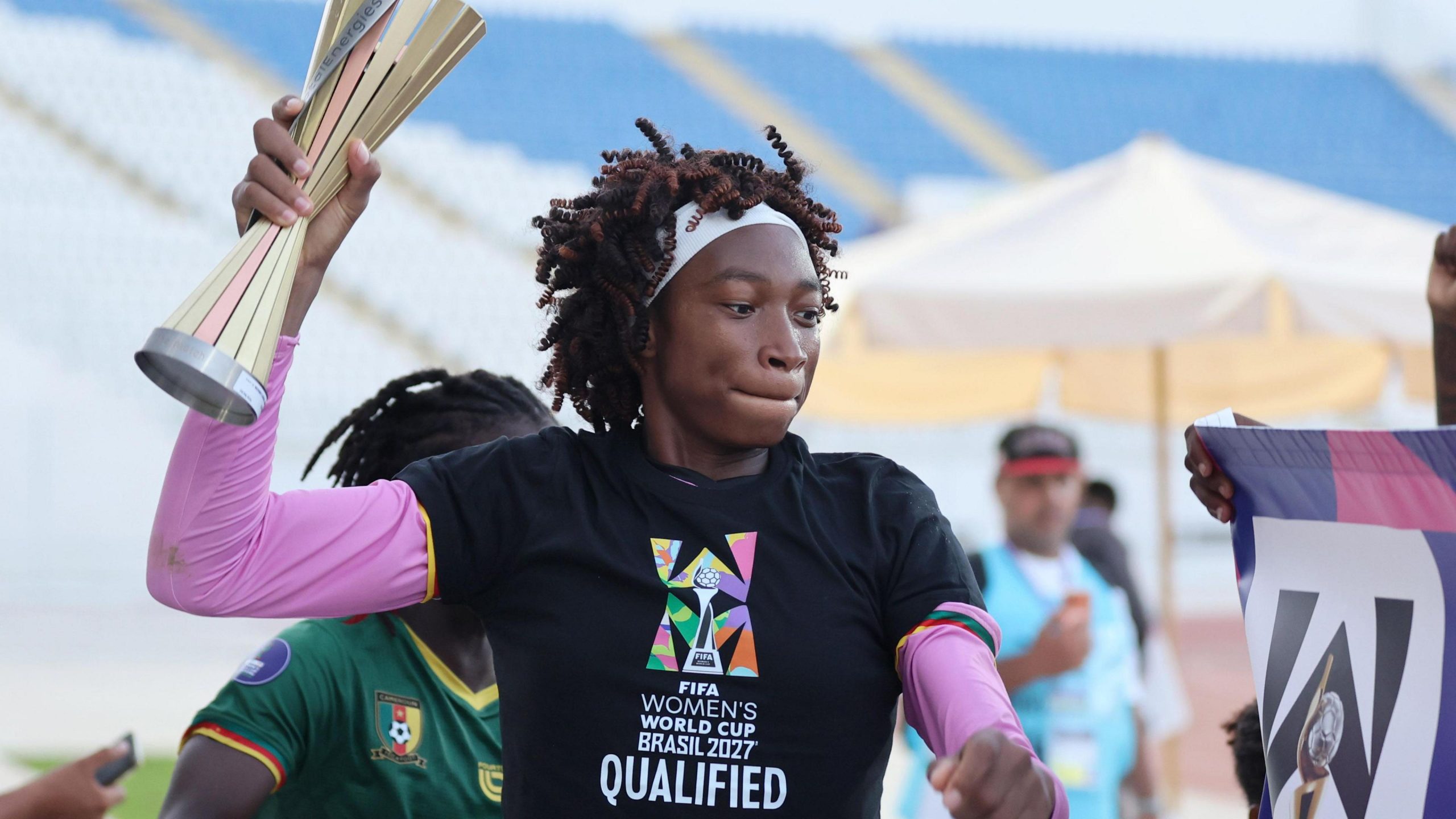
Cameroonian national team goalkeeper Michaely Bihina is celebrating after securing qualification for the 2027 FIFA Women’s World Cup in Brazil.
Cameroon’s biggest weapon in the semi-final was not simply their defence. It was their goalkeeper.
Michaely Bihina has emerged as one of the breakout stars of WAFCON 2026. The young goalkeeper had already produced an extraordinary performance against Nigeria in the quarter-finals, denying the Super Falcons repeatedly in a 1-0 victory.
Against Morocco, she again proved decisive. The game remained scoreless for 120 minutes, meaning every save, every claim and every defensive decision carried enormous weight.
Then came penalties. Bihina’s confidence became one of the decisive elements in Cameroon’s progression.
Her performances have now transformed her from a tournament goalkeeper into one of the names African women’s football supporters will be watching long after WAFCON ends.
That development is important. Africa has historically produced outstanding attacking talent, but the growth of elite goalkeeping is equally significant.
Bihina is only 22 and plays her club football at Benfica, giving her access to a European environment where her development can continue at a higher level. Her WAFCON performances suggest she has the mentality required to handle major international pressure.
Cameroon will need every bit of that mentality in the final.
Malawi Just Produced the Biggest Cinderella Story in WAFCON History
If Cameroon’s journey has been built on experience, Malawi’s has been built on belief.
The Scorchers are appearing at their first-ever WAFCON. They are now in the final. That alone is extraordinary.
But the manner in which they reached it makes the story even more compelling. Malawi defeated Algeria 3-1 in the semi-final, with the Chawinga sisters once again at the heart of the performance.
For a country making its debut at Africa’s premier women’s international tournament to reach the final immediately is almost impossible to script.
And yet Malawi have made it look increasingly normal with every round. They have not survived by accident.
And they have developed a clear identity.
They play with speed. Also, they attack space aggressively. They transition quickly.
And they have learned how to maximise the extraordinary qualities of their most dangerous players. That last point is particularly important.
A tournament debutant does not reach a final simply because it has one or two talented players.
There has to be a team structure capable of giving those players the platform to hurt opponents. Malawi have found it.
The Chawinga Sisters Are the WAFCON Final’s Biggest Attraction
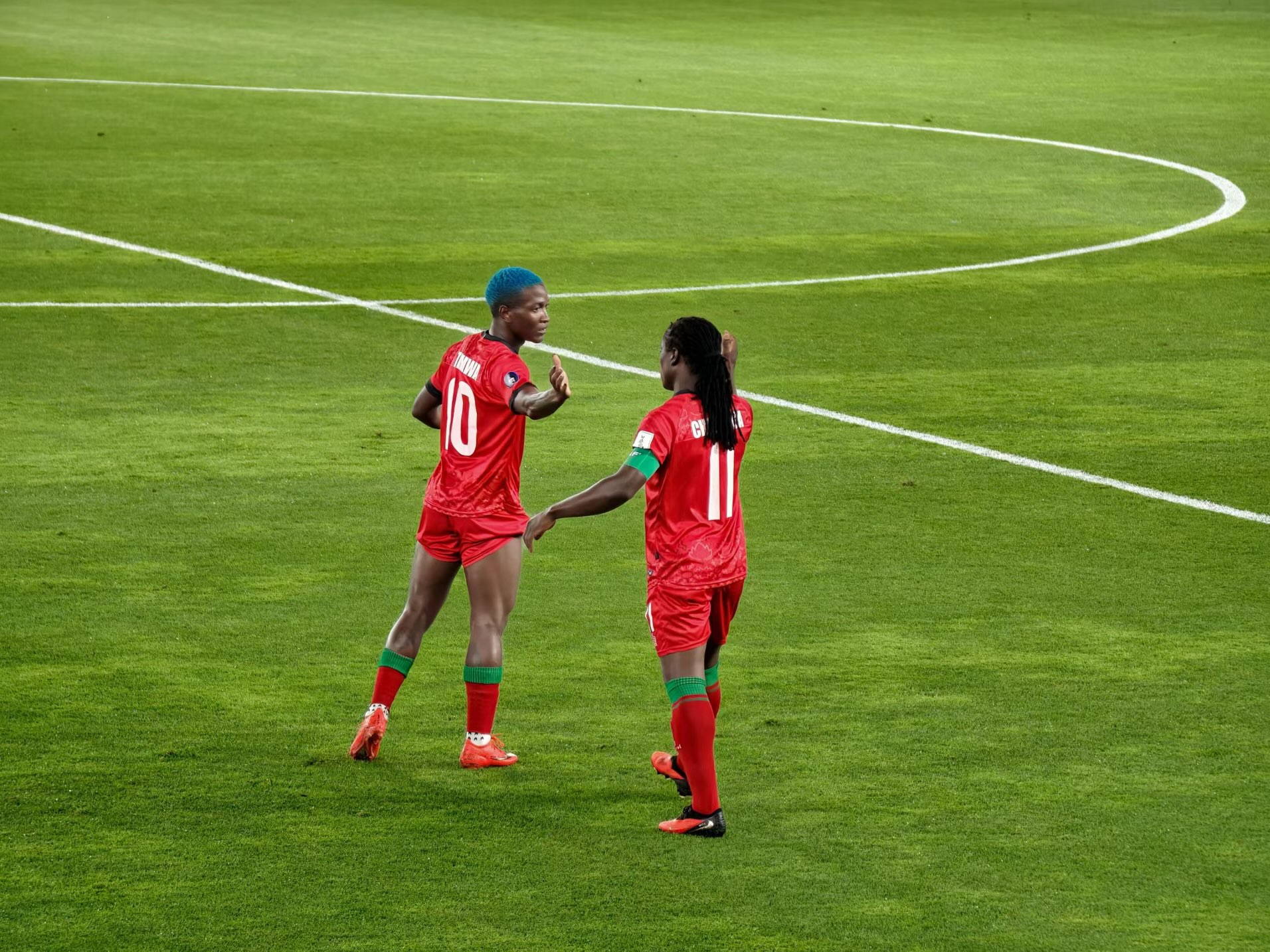
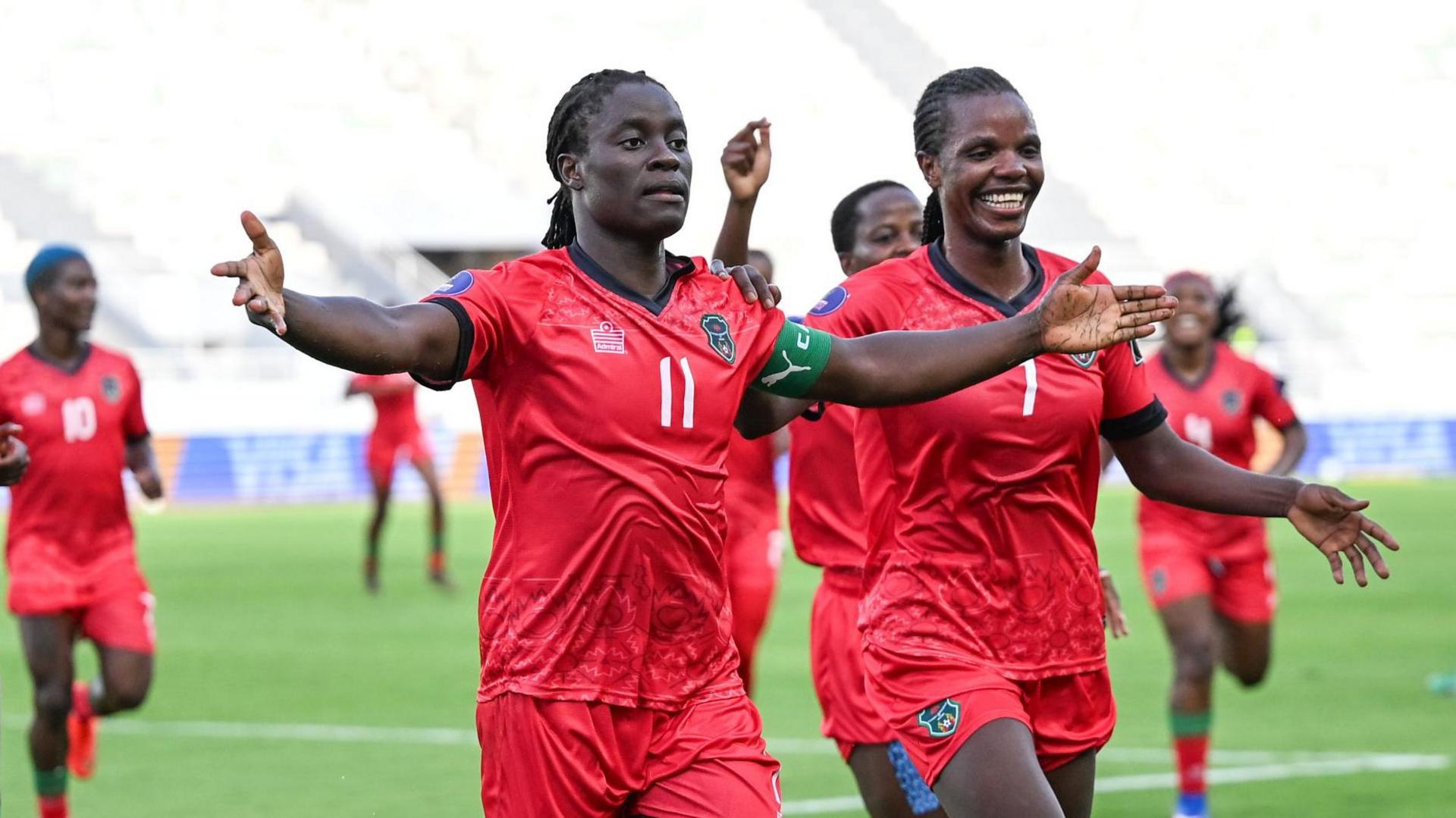
Malawian football stars and sisters Temwa Chawinga (left, in the number 10 red jersey with blue-dyed hair) and Tabitha Chawinga (right, in the number 11 red jersey) sharing a moment on the pitch during a historic campaign.
The final will inevitably focus heavily on Tabitha and Temwa Chawinga. And rightly so.
The sisters have become two of the most recognisable African women’s footballers in the world, and their partnership has transformed Malawi from tournament debutants into finalists.
Their greatest weapon is speed, but describing them simply as fast would undersell their football intelligence.
Both understand how to attack space. They recognise when defenders are stepping forward and when they are retreating.
They are comfortable running behind defensive lines, but they can also receive the ball and carry it forward themselves.
That creates a problem for Cameroon. A defensive line that pushes too high could give Malawi the space they want.
A line that sits too deep could invite pressure and allow Malawi’s wide players to dominate territory. Cameroon therefore face a tactical balancing act.
They cannot simply chase the Chawingas. They have to control the spaces the sisters want to attack. That may become the tactical battle that decides the final.
Why Cameroon Have the Advantage on Experience
While Malawi have the momentum, Cameroon have something equally valuable. Experience.
Cameroon are one of the historic powers of African women’s football.
They have repeatedly reached the latter stages of WAFCON and have developed a culture of competing in high-pressure matches. The Indomitable Lionesses understand tournament football.
They know how to survive difficult periods. They know how to play without dominating possession.
And, most importantly, they now have the psychological benefit of knowing they can win a knockout match against a heavyweight opponent. They eliminated Nigeria.
Then they eliminated Morocco. Those are two psychologically enormous victories.
Cameroon therefore enter the final with a belief Malawi will have to overcome. But Malawi possess an advantage of their own. They have nothing to fear.
The WAFCON Final Could Be a Battle Between Experience and Freedom
This is what makes the Cameroon-Malawi final so difficult to predict. Cameroon are expected to feel the pressure.
Malawi are expected to enjoy the occasion. That difference could become decisive.
For Cameroon, this is an opportunity to reclaim the continental title and remind everyone that their women’s football tradition remains relevant.
For Malawi, the final is already beyond what anyone expected. They have made history.
Now they can play without the weight of expectation. That does not mean Malawi will be relaxed.
Playing a WAFCON final for the first time will bring extraordinary pressure.
But their psychological position is different. If they lose, they have still produced the greatest tournament in their history. If they win, they create one of the greatest upsets African football has ever seen.
Cameroon have much more to lose. Malawi have much more to gain.
What Cameroon Must Do to Stop Malawi
The priority for Cameroon will be dealing with Malawi’s transition speed. The Chawinga sisters thrive when games become stretched.
If Cameroon lose possession in dangerous areas and leave large spaces behind their midfield, Malawi will attack immediately. That means Cameroon must be patient.
They need to move the ball without becoming reckless. They should also avoid committing too many players forward simultaneously.
The second priority is getting the ball into attacking areas without isolating their forwards. Cameroon cannot expect to win the final purely through defensive discipline.
At some point they must create chances. Set pieces could become particularly important.
If the final is close late in the game, one dead-ball situation could decide it. And then there is Bihina. Cameroon will trust her.
After what she has already done in the quarter-final and semi-final, she has earned that trust.
If the final reaches penalties, Cameroon will probably feel more confident than almost any team could.
What Malawi Must Do to Win the WAFCON TrophyFinal
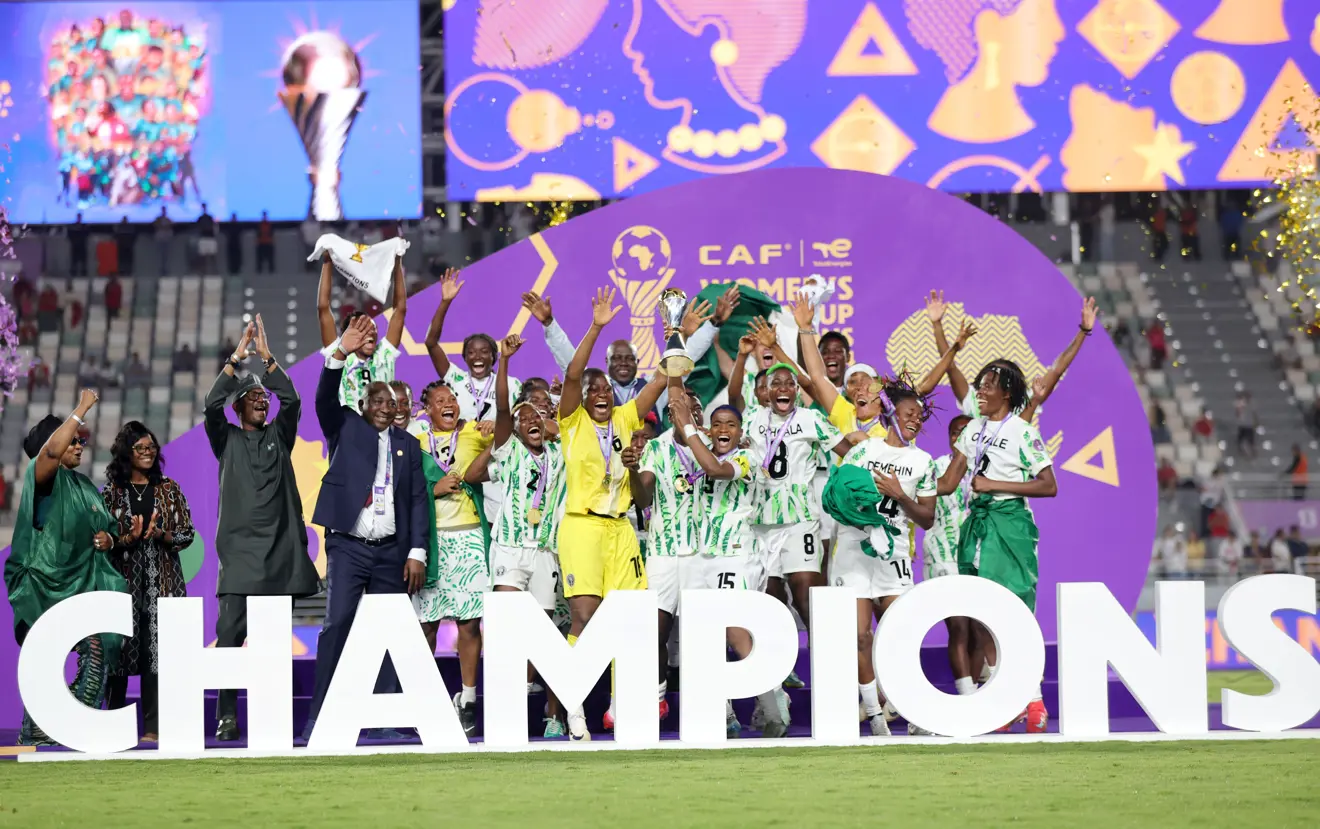
The Nigeria women’s national football team, known as the Super Falcons, is celebrating their 10th Women’s Africa Cup of Nations (WAFCON) title.
Malawi’s plan should be much simpler. Do not abandon what got them here. That sounds obvious, but it is one of the biggest dangers facing an underdog in a final.
When a team reaches an unexpected final, there can be a temptation to become overly cautious. Malawi cannot do that. Their speed is their advantage.
Their confidence is their advantage. The Chawinga sisters are their advantage.
They need to continue attacking when the opportunity appears. They also need to remain disciplined without the ball.
Cameroon have enough experience to punish a team that becomes emotionally distracted. Malawi must remember that reaching the final does not mean they have to behave like finalists.
They have to behave like the team that reached the final. That means courage.
The World Cup Qualification Story Is Also Huge
The WAFCON final carries an additional significance because the tournament is tied to qualification for the 2027 FIFA Women’s World Cup in Brazil.
And the four semi-finalists were guaranteed World Cup places, while the losing quarter-finalists were sent into additional play-off routes for further African representation.
That means Cameroon and Malawi have already secured their places in Brazil.
For Malawi, that is almost as extraordinary as reaching the final itself. The country had never previously appeared at WAFCON.
Now it has reached the final and qualified for its first Women’s World Cup.
That is the kind of tournament that can change the trajectory of an entire women’s football programme.
Young girls in Malawi are watching a national team make history. Sponsors are paying attention. International clubs are paying attention. Scouts are paying attention.
And the Chawinga sisters are becoming symbols of what the country can produce.
For Cameroon, qualification provides another opportunity to return to the world’s biggest stage after their own struggles to maintain consistent World Cup presence.
So this final is not merely about a trophy. It is about two countries entering a new chapter.
Why Nigeria, South Africa and Ghana Are Also Watching
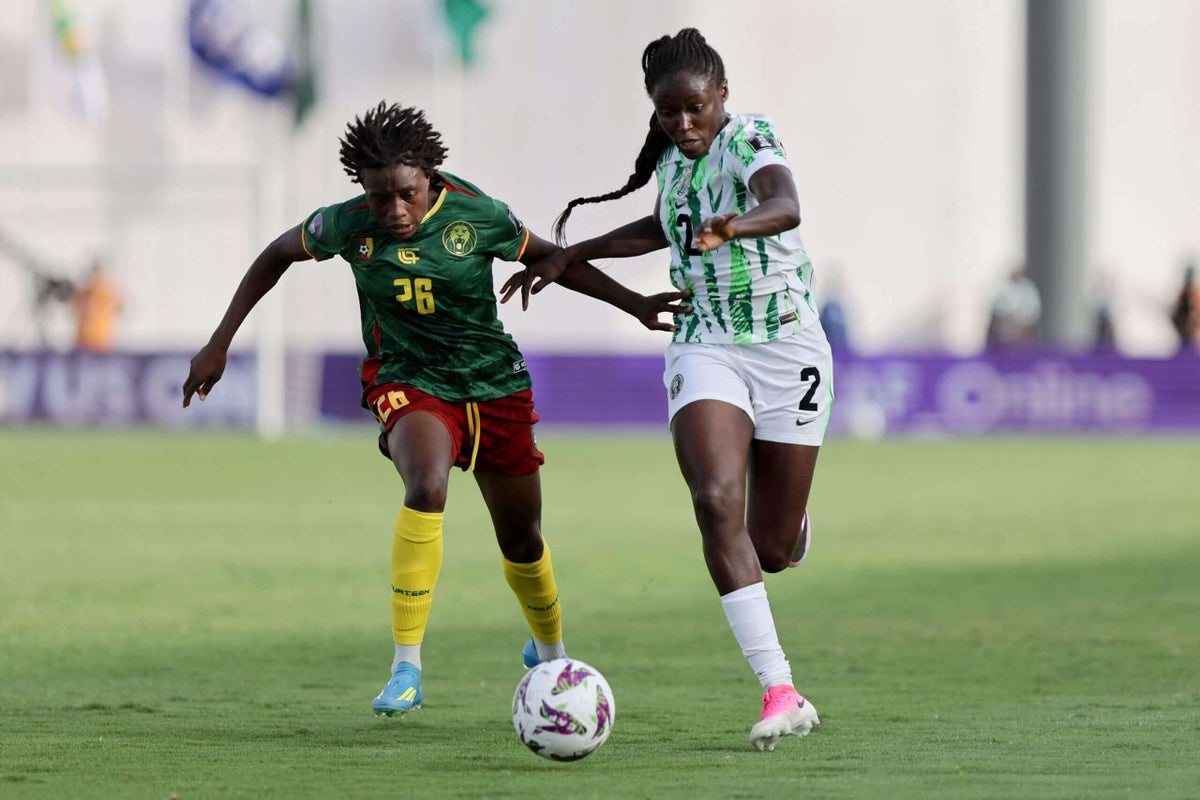
Nigeria’s Rasheedat Ajibade (#2) is tightly marked by Cameroon’s Mariane Ines Maague (#26) in Casablanca during the 2026 Women’s Africa Cup of Nations quarter-finals, where Cameroon secured a historic 1-0 upset victory.
The final will also matter to the teams that are no longer competing for the WAFCON trophy.
Nigeria, South Africa, Ghana and Côte d’Ivoire are fighting through the additional qualification play-offs after their quarter-final eliminations. That means the final offers those teams another lesson.
Nigeria will look at Cameroon’s defensive organisation and Bihina’s performance.
South Africa will study Malawi’s attacking transitions. Ghana will look at how Cameroon manage high-pressure knockout football.
Côte d’Ivoire will be watching too. The WAFCON final therefore has consequences beyond the two teams involved.
The next generation of African coaches and analysts will study it as evidence of what modern women’s tournament football looks like.
That is another sign of how much WAFCON has grown.
The Bigger African Football Story
Perhaps the most important thing about this final is what it says about the changing balance of women’s football in Africa.
For decades, Nigeria dominated. Then South Africa won the title. Morocco reached consecutive finals.
Zambia developed into a serious contender. Ghana returned to the latter stages.
Now Malawi have reached the final at their first attempt. That is not necessarily the end of Nigerian or South African dominance. It is evidence that the competitive field is becoming deeper.
African women’s football is developing beyond a small group of traditional powers. That is good for the game.
More competitive national teams mean more meaningful matches. And more meaningful matches mean more investment.
More investment means better development pathways. And better development pathways create more elite players.
The Chawinga story is therefore bigger than Malawi. Bihina’s rise is bigger than Cameroon. Morocco’s disappointment is bigger than one host nation.
This tournament is demonstrating that African women’s football is becoming increasingly difficult to predict.
That is exactly what a healthy competition should be.
What to Expect in the WAFCON 2026 Final
Expect the match to be tight. You need to expect Cameroon to try to control the tempo. Expect Malawi to look for transition opportunities.
Also expect the Chawinga sisters to be heavily involved. Expect Bihina to be one of Cameroon’s most important players again.
And expect the opening goal to be enormous. If Cameroon score first, their experience could allow them to control the game and make Malawi chase.
If Malawi score first, the final could become chaotic. That would suit the debutants.
The longer the score remains level, however, the more interesting the psychological battle becomes.
Cameroon know they can win penalty shootouts. Malawi know they have already beaten expectations at every stage.
Neither team will be afraid of extra time. And neither side will want to give the other a moment of unnecessary space.
Verdict: This Is the WAFCON Final African Women’s Football Needed
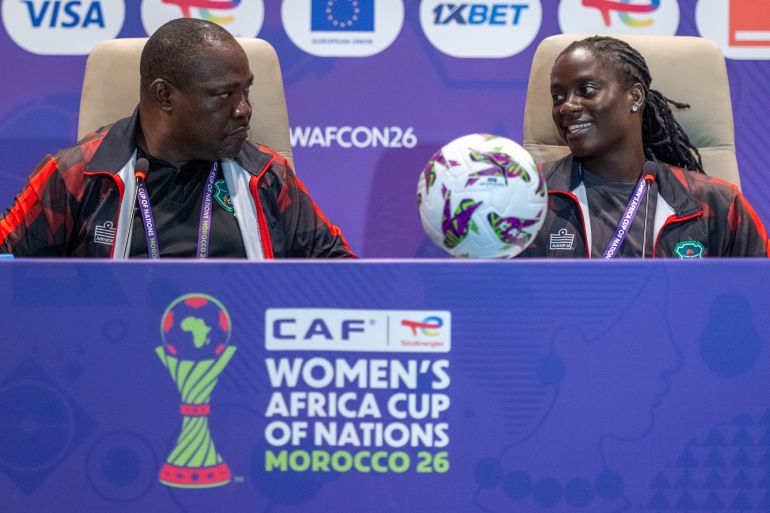
Malawi national women’s football team head coach Lovemore Fazili and star forward Tabitha Chawinga smiling during a WAFCON 2026 official press conference in Morocco.
The 2026 WAFCON semi-finals have delivered something that nobody could have confidently predicted before the tournament.
Cameroon versus Malawi. Morocco are out on penalties. Nigeria are out. South Africa are out of the title race.
Ghana are out. And the final belongs to two teams representing very different football stories.
Cameroon are chasing history from a position of experience. Malawi are chasing history from a position nobody thought possible.
That contrast makes this final fascinating. Cameroon have the stronger tournament pedigree.
Malawi have the greater momentum. Cameroon have Bihina. Malawi have the Chawingas.
Cameroon have been here before. Malawi have never been here at all. And that is precisely why Sunday could become one of the most memorable finals in WAFCON history.
Sportxparte verdict:
Cameroon will enter as the safer prediction, but Malawi are the team nobody should underestimate. If the Scorchers can keep the Chawinga sisters in space and maintain their fearless attacking identity, the biggest WAFCON upset in years is possible.
Either way, African women’s football has already won. A debutant is in the final. A historic Cameroon side is back within one victory of continental glory.
And on August 16, one of them will lift the WAFCON trophy.