World Cup 2026
From Ebola Bans to Trump’s Travel Restrictions: Why African Fans Can’t Get To World Cup 2026
The 2026 FIFA World Cup is supposed to be football’s greatest celebration.
With 48 teams, 104 matches and three host nations, it is the largest tournament in the competition’s history.
FIFA has marketed the event as a global festival that will bring together supporters from every corner of the world.
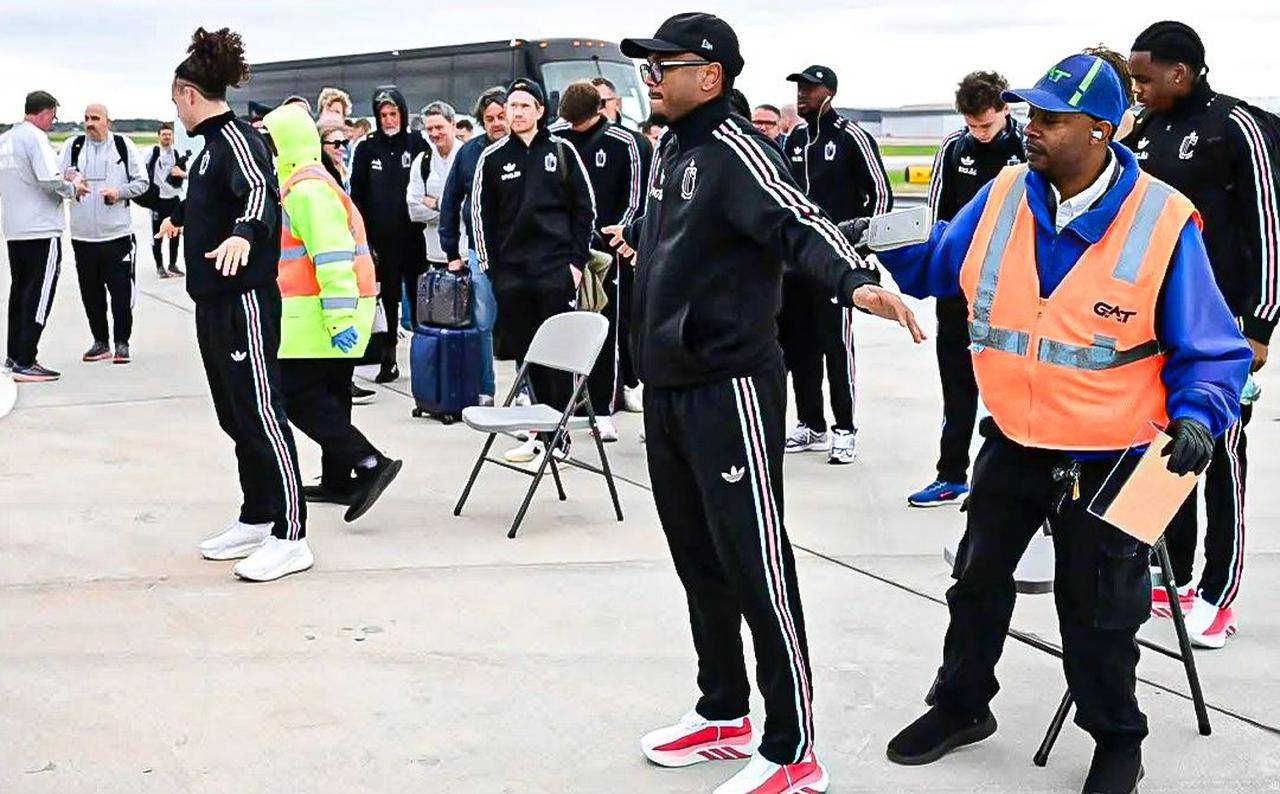
Yet for thousands of African fans, journalists, officials and even football participants, the road to North America has become far more complicated than buying a ticket and boarding a plane.
From visa restrictions and travel bans to health-related entry controls and diplomatic tensions. Many Africans are discovering that access to the World Cup is not equal for everyone.
For a continent that has produced some of the tournament’s most iconic moments from Roger Milla’s dance in 1990 to Morocco’s historic semi-final run in 2022. The barriers facing African supporters raise uncomfortable questions about inclusion, accessibility, and FIFA’s responsibility as football’s global governing body.
The Most Inaccessible World Cup in Modern History
Previous World Cups found ways to make travel easier for supporters.
Brazil offered simplified entry processes in 2014. Russia introduced Fan IDs in 2018, allowing ticket holders easier access to the country.
Qatar’s Hayya Card system served a similar purpose in 2022. It also provided benefits such as public transport access.
World Cup 2026 is different. The tournament arrives during a period of stricter immigration controls in the United States.
While Canada and Mexico remain co-hosts, most matches including the latter stages will take place in the US.
That reality has collided with travel restrictions affecting dozens of countries around the world.
Reports indicate that citizens from 39 nations face either full or partial restrictions under current US policies. Several African countries are directly affected. Others face high visa rejection rates and costly entry procedures.
For many supporters, attending the World Cup now requires navigating complex bureaucracy, expensive visa fees, and uncertainty over approval.
The irony is difficult to ignore.
The biggest World Cup ever created is becoming one of the hardest World Cups for many Africans to attend.
Which African Nations Face Visa Restrictions?
African representation at the 2026 World Cup is at a record high.
South Africa, Morocco, Tunisia, Egypt, Algeria, Senegal, Côte d’Ivoire, Ghana, Cabo Verde and DR Congo are all flying the continent’s flag.
However, supporters from several African countries face significant obstacles.
Nations Facing Restrictions
Senegal and Côte d’Ivoire are among the countries affected by heightened scrutiny and travel limitations.
Although not completely barred from attending, supporters face additional administrative challenges compared to fans from many Western nations.
Visa Bond Controversy
Earlier in the build-up to the tournament, supporters from Algeria, Cabo Verde, Côte d’Ivoire, Senegal and Tunisia faced a proposed $15,000 visa bond requirement. A figure that would have made attendance impossible for the vast majority of supporters.
The proposal generated widespread criticism before eventually being withdrawn.
While the bond was scrapped, the underlying visa difficulties remain.
High Rejection Rates
Many African and Middle Eastern nations continue to experience significantly higher visa rejection rates than countries in Europe or North America.
For supporters who have saved for years to attend a World Cup, a rejected visa application can instantly destroy those dreams.
The result is a tournament where qualification on the pitch does not necessarily guarantee representation in the stands.
DR Congo Blocked by Ebola, Not Politics
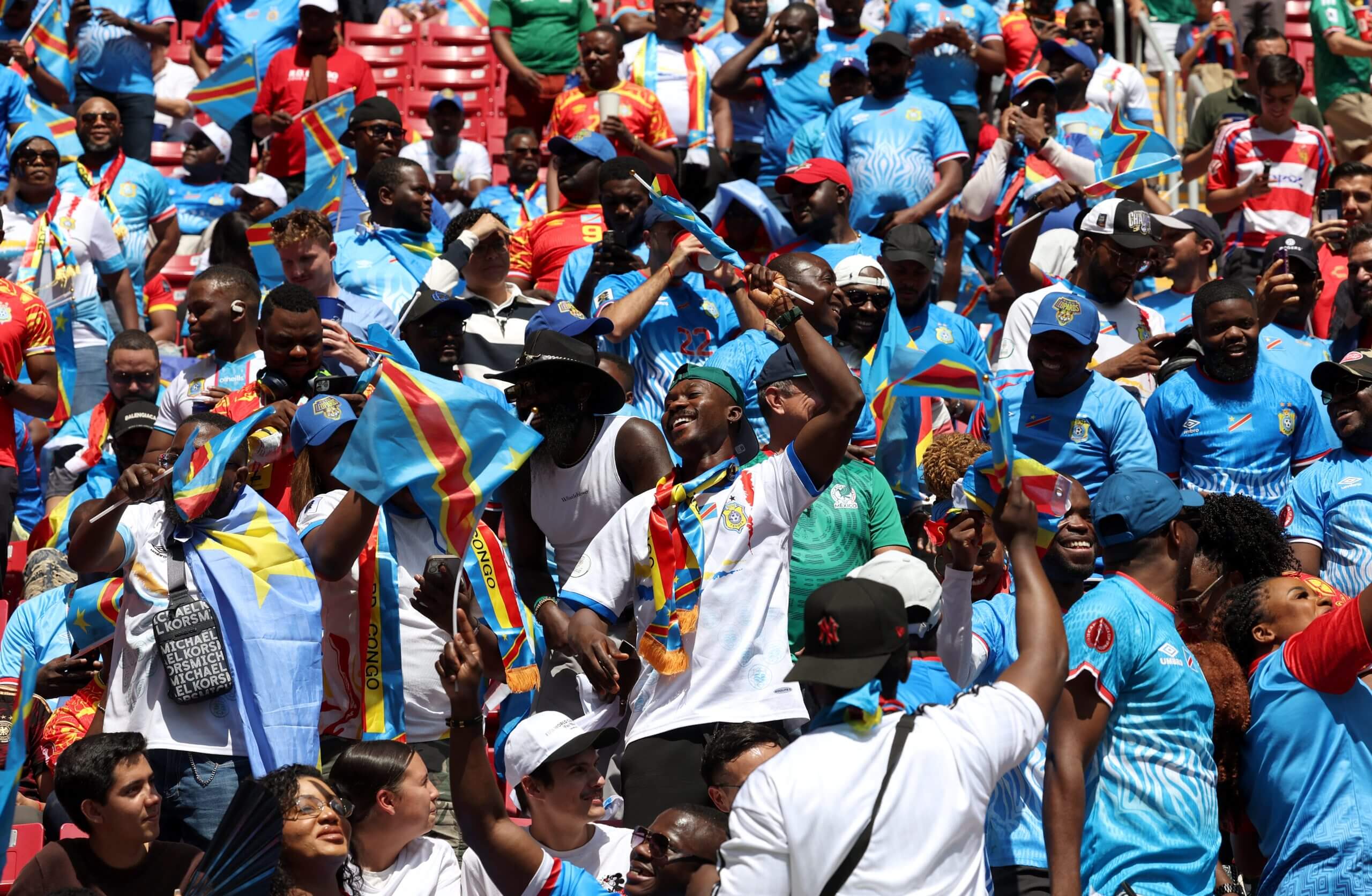
DR Congo fans celebrating qualification
Not every obstacle facing African fans is political. For supporters from DR Congo, health concerns have created a different challenge.
After waiting more than five decades to return to the World Cup. Congolese supporters hoped to witness one of the most important moments in their nation’s football history.
Instead, concerns linked to Ebola outbreaks have complicated travel opportunities for many supporters.
The situation highlights an uncomfortable reality. Whether the barrier is a political decision, a public health measure or a bureaucratic requirement, the outcome is often identical.
African supporters remain separated from their teams during the most important tournament in world football.
For DR Congo fans, the frustration is especially painful.
Their country has waited 52 years to return to football’s biggest stage. An entire generation has never seen the Leopards play at a World Cup.
Now, many may be unable to witness the historic comeback in person.
We covered the full story of how Congolese fans are being blocked by the Ebola travel ban read it here.
The Somali Referee Turned Away at the Border
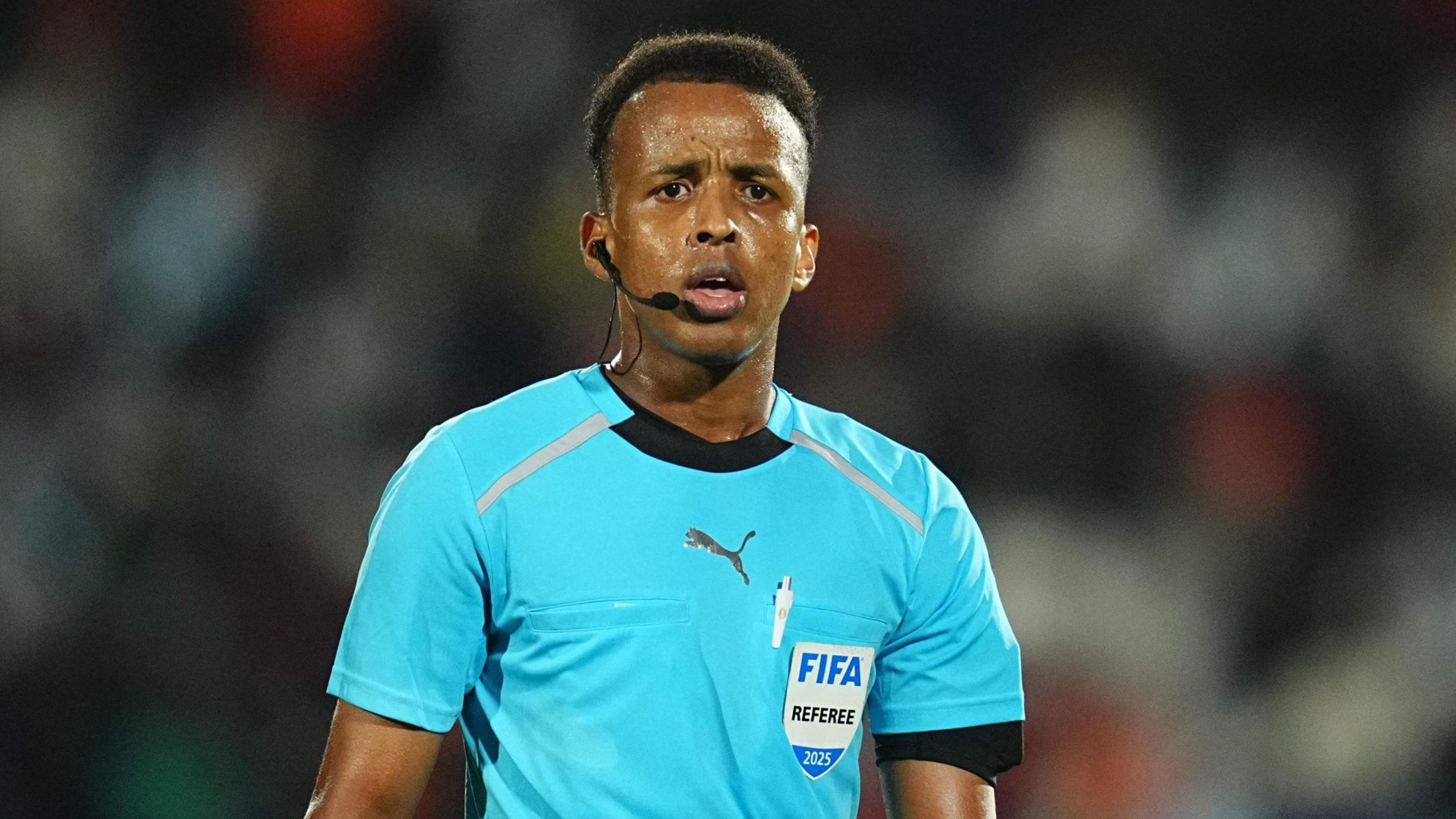
Omar Abdulkadir Artan, a highly regarded professional football referee from Somalia.
Perhaps no story illustrates the human impact of these restrictions better than that of Omar Artan.
Artan was selected by FIFA as one of the referees for the 2026 World Cup. His appointment represented a landmark achievement for Somali football.
Had he officiated at the tournament. He would have become the first Somali referee in World Cup history.
Instead, his dream ended at the border.
Upon arriving in Miami, Artan was reportedly denied entry and prevented from participating in the competition.
The consequences extend beyond one individual.
For Somalia a nation rarely represented on football’s biggest stages Artan’s appointment symbolised progress, visibility and hope.
His absence removes an important milestone not just for Somali football but for East African football as a whole.
FIFA’s response was notably limited. The organisation stated that immigration decisions remain the responsibility of host governments and that it does not participate in visa adjudication processes.
Technically, that position may be correct.
But many observers argue that FIFA cannot completely separate itself from issues that directly affect the tournament it organises.
South Africa’s Chaotic Departure
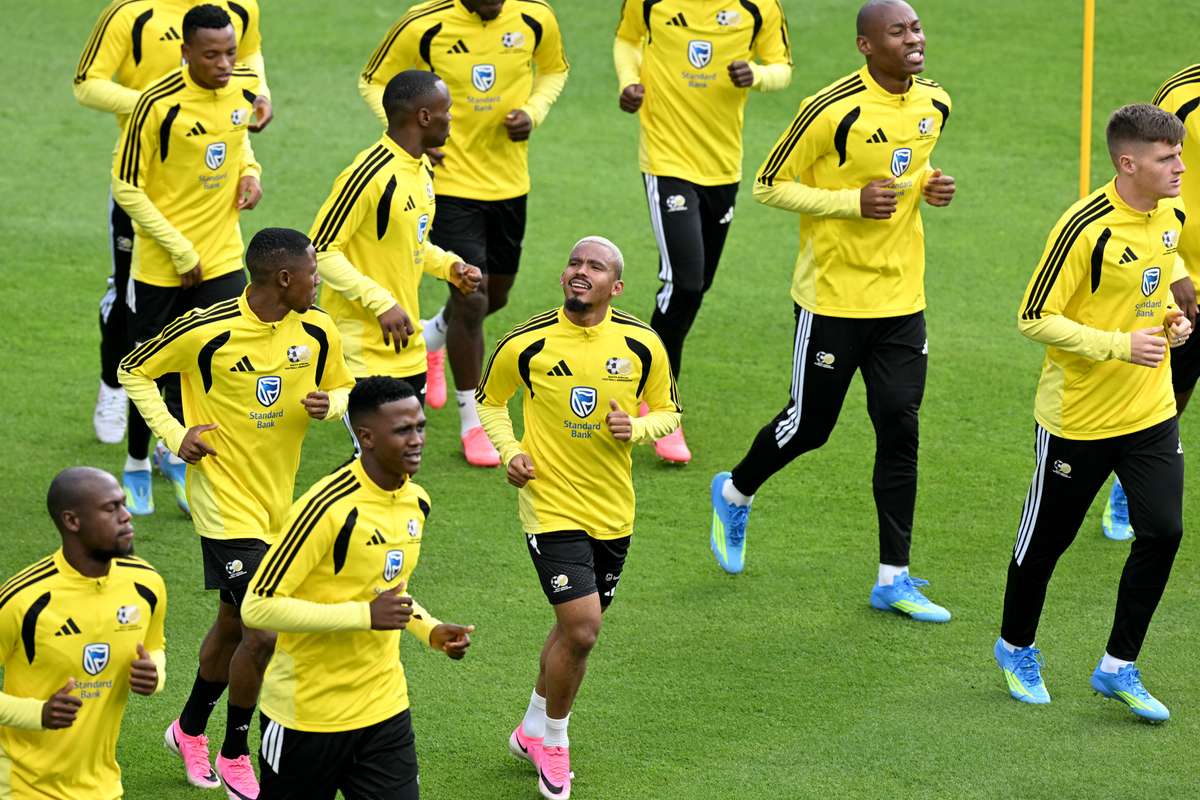
South African men’s national football team (Bafana Bafana) during a training session ahead of the 2026 FIFA World Cup.
Not every World Cup travel problem stems from government policy.
South Africa’s preparations were disrupted by administrative errors closer to home.
Bafana Bafana’s departure for Mexico was delayed after documentation issues affected several members of the travelling delegation.
What should have been a celebratory send-off quickly became an embarrassing logistical problem.
The team’s chartered flight was reportedly unable to depart as scheduled because some travel paperwork had not been completed correctly.
South African sports minister Gayton McKenzie publicly criticised the situation, describing it as unfair on players and coaching staff.
The incident serves as another reminder that the modern World Cup demands more than footballing excellence.
Administrative competence has become equally important.
For players preparing for the biggest tournament of their careers, such distractions are the last thing any team needs.
Despite the chaos, Bafana Bafana are confirmed to face Mexico on June 11. The same fixture that opened the 2010 World Cup in Johannesburg read our full match preview here.
Beyond Fans: Players and Staff Are Also Feeling the Impact
The challenges extend beyond supporters.
Iran’s World Cup preparations have reportedly been heavily affected by visa complications involving officials and support staff.
Several members of the delegation were denied entry, forcing adjustments to the team’s operational plans.
Meanwhile, Iraqi striker Aymen Hussein reportedly faced lengthy questioning upon arrival in the United States before eventually being admitted.
Others were less fortunate. Reports suggest that members of Iraq’s media delegation encountered detentions and entry refusals.
Even players from European nations have faced complications.
Switzerland striker Breel Embolo reportedly required last-minute intervention to resolve issues connected to his travel documentation.
These cases demonstrate that the challenges surrounding World Cup access are not isolated incidents.
They are becoming part of the tournament narrative itself.
FIFA’s Response And Why It’s Not Enough

The official logo for the FIFA World Cup 2026
FIFA’s position is straightforward. The organisation argues that immigration policy falls under the authority of sovereign governments.
Legally, that is true.
However, FIFA also awards hosting rights. When selecting a host nation, questions about accessibility should arguably carry greater weight than ever before.
Football prides itself on being the world’s game. The World Cup is marketed as a tournament that belongs to everyone.
If significant groups of supporters, journalists, officials and even FIFA-appointed referees struggle to gain access, then the governing body must confront difficult questions.
Can a tournament truly be global if millions of people face barriers simply because of where they were born?
The issue is unlikely to disappear.
As international politics become increasingly complex, future World Cups may face similar challenges.
FIFA will eventually need a clearer strategy to ensure that football’s flagship event remains accessible to the people who make the sport global.
What This Means for African Football
African football has never been stronger on the global stage.
Morocco became the first African nation to reach a World Cup semi-final in 2022. Ten African teams are participating in the expanded 2026 tournament.
African players dominate Europe’s biggest leagues. Yet many African supporters remain excluded from the live experience.
The contradiction is striking. African talent helps make the World Cup a global spectacle. But African fans often face greater obstacles than almost anyone else when trying to attend.
That imbalance risks undermining the very spirit of international football.
Verdict
The 2026 FIFA World Cup promises to be the biggest tournament in football history.
But for millions of African supporters, it may also become the hardest World Cup to reach.
From visa restrictions and diplomatic tensions to health-related travel barriers and administrative failures. The obstacles facing African fans expose a deeper problem about accessibility in modern football.
The World Cup is supposed to unite the world.
If entire communities feel locked out of the experience, FIFA cannot simply point to immigration authorities and walk away.
African football has earned its place on the global stage. The challenge now is ensuring African supporters can actually be there to witness it.