African Football
The Women’s Africa Cup Of Nations Starts Sunday And Nobody Is Talking About It
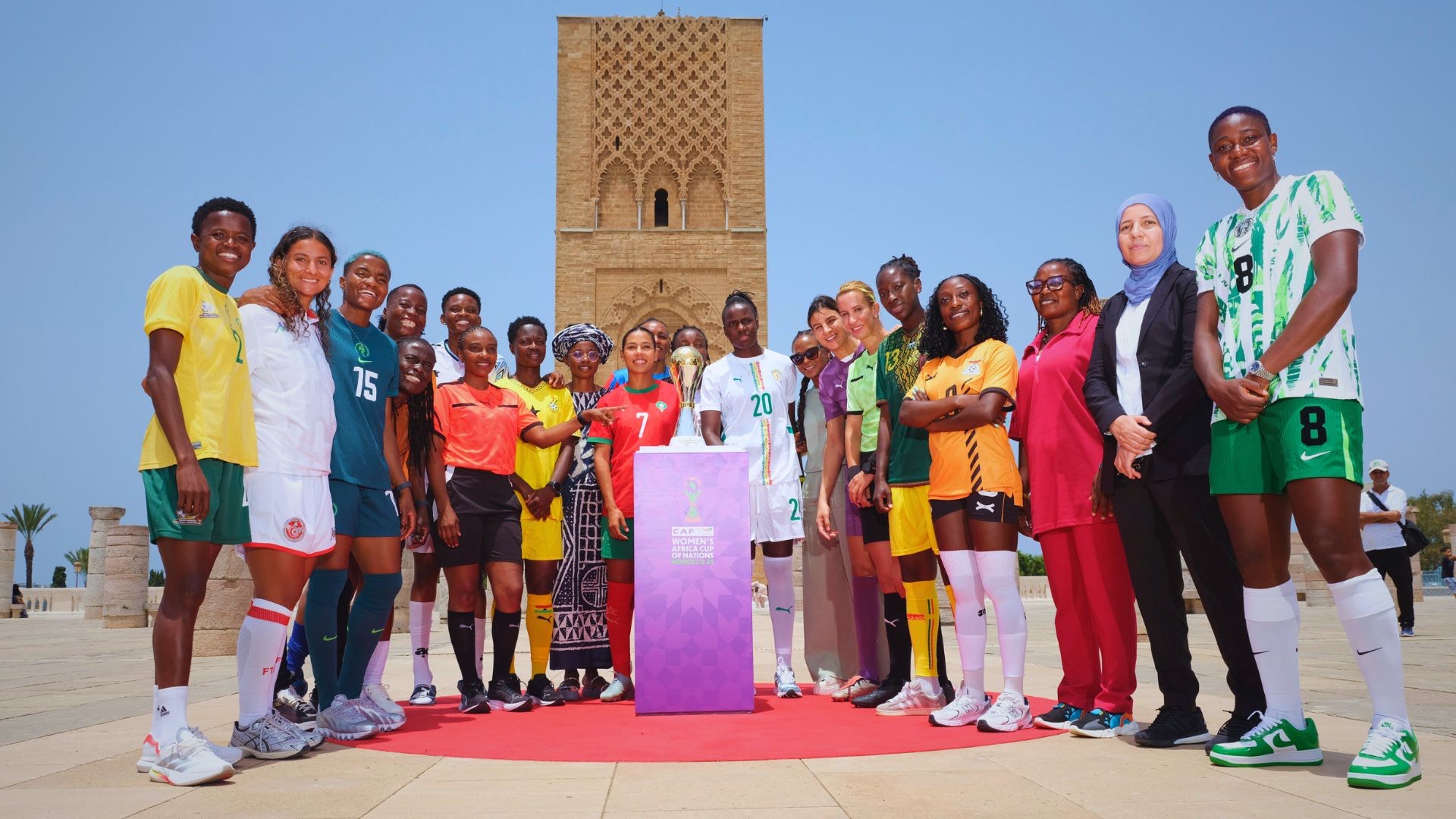
For the third consecutive edition, Morocco will host the Women’s Africa Cup of Nations (WAFCON 2026). But this tournament is about far more than deciding the champions of Africa.
When the delayed 2026 Women’s Africa Cup of Nations finally kicks off on 26 July, it will launch one of the most important months in the history of African women’s football. The stakes have never been higher. Not only is the continental title on the line, but the tournament also serves as the main qualification pathway to the 2027 FIFA Women’s World Cup in Brazil.
For many nations, this is not simply another continental competition. It is an opportunity to redefine women’s football in their country, inspire a new generation of girls, attract greater investment and prove that Africa’s women’s game deserves the same attention as its men’s counterpart.
The Confederation of African Football (CAF) delayed the competition after postponing it just days before its original March start, citing unforeseen circumstances. While frustrating for players and supporters, the additional months have allowed teams to prepare even better for what promises to be the strongest WAFCON ever staged.
With 16 nations, 34 matches, expanded World Cup qualification places, and several genuine title contenders. WAFCON 2026 could become the tournament that changes African women’s football forever.
More Than a Tournament: WAFCON 2026 Is Now a World Cup Gateway
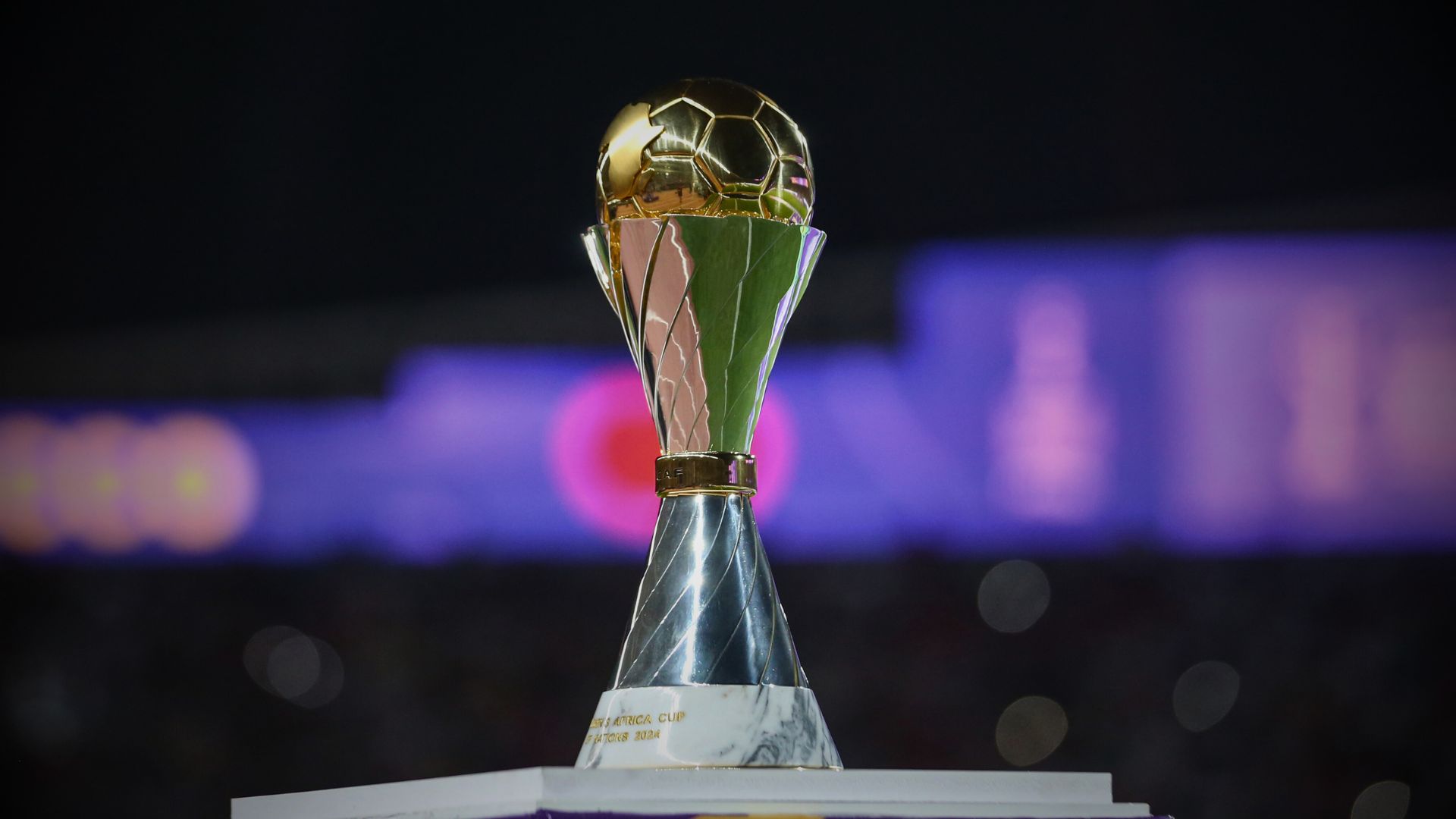
The Confédération Africaine de Football (CAF) Women’s Africa Cup of Nations (WAFCON) trophy.
Unlike previous editions, every knockout match now carries enormous consequences.
The four semi-finalists automatically qualify for the 2027 FIFA Women’s World Cup. While the losing quarter-finalists still have another opportunity through African play-offs that determine the continent’s representatives in the intercontinental qualifying tournament.
That changes everything. Instead of merely chasing continental glory, nations are now fighting for a place on football’s biggest stage.
Countries like Morocco, South Africa, Zambia and Ghana understand how transformative World Cup qualification can be. Morocco’s remarkable run to the knockout stages of the 2023 Women’s World Cup transformed public interest in women’s football across North Africa.
South Africa’s performances inspired greater domestic support. Nigeria continued to demonstrate why they remain Africa’s benchmark.
Now, the next generation wants to follow them. For emerging football nations such as Cape Verde, Malawi, Kenya and Tanzania, qualification would represent the biggest achievement in their football history.
That is why every point in the group stage matters far more than ever before. This is no longer simply WAFCON.
It is Africa’s road to Brazil.
WAFCON 2026: Morocco’s Third Straight Opportunity to Make History
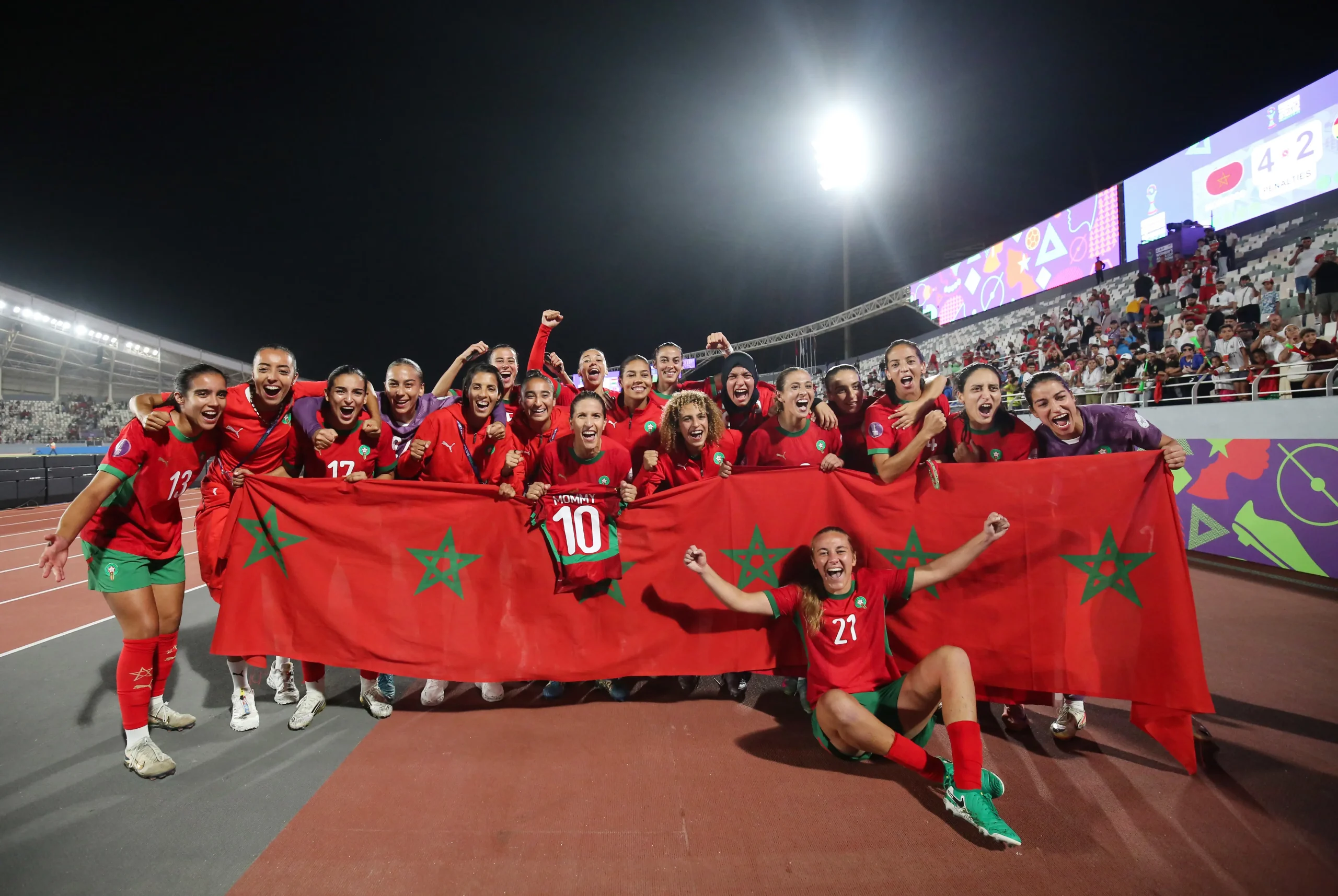
Morocco women’s national football team celebrating their dramatic victory against Ghana in the semi-finals of the Women’s Africa Cup of Nations (WAFCON).
No host nation has invested more heavily in women’s football over recent years than Morocco.
For a third straight edition, the Atlas Lionesses will welcome Africa to their home soil.
They have reached the final in each of the previous two tournaments but have fallen agonisingly short of lifting the trophy.
Now they have another opportunity. The infrastructure improvements are impossible to ignore.
Five modern stadiums across Rabat and Casablanca will host the competition as Morocco continues preparing to co-host the 2030 FIFA World Cup.
The venues include:
- Moulay Hassan Stadium (Rabat)
- Olympic Stadium (Rabat)
- Al Medina Stadium (Rabat)
- Larbi Zaouli Stadium (Casablanca)
- Moulay Rachid Stadium (Casablanca)
Morocco’s squad has also evolved significantly.
Under Jorge Vilda, the coach who guided Spain to the 2023 FIFA Women’s World Cup title, the Atlas Lionesses possess tactical organisation, technical quality and growing tournament experience.
Playing every group match in front of passionate home supporters could provide the extra advantage they have been searching for.
Yet hosting brings pressure. Anything less than another deep run will disappoint supporters who now expect Morocco to become Africa’s dominant force rather than its nearly team.
WAFCON 2026: The Groups That Could Redefine African Women’s Football
The expanded 16-team format has produced four fascinating groups, but not all paths to the knockout stage are equal. Some groups are filled with proven champions, while others could produce the biggest surprises of the tournament.
Group A: Morocco, Algeria, Senegal, Kenya
Hosts Morocco begin their campaign carrying enormous expectations. After finishing runners-up in the previous two editions, anything less than reaching another final would be viewed as a disappointment.
However, this group is far from straightforward. Algeria will be highly motivated for the North African derby against Morocco.
While Senegal have steadily developed into one of West Africa’s most competitive women’s teams. Kenya also returns to WAFCON after a decade away and will hope to surprise more established opponents.
For Morocco, the opening match against Kenya offers an opportunity to settle nerves before the emotionally charged clash with Algeria, which could become one of the defining fixtures of the group stage.
Sportxparte prediction: Morocco to finish first, with Senegal narrowly edging Algeria for second place.
Group B: South Africa, Ivory Coast, Burkina Faso, Tanzania
This could quietly become the tournament’s most balanced group.
South Africa enter as former champions and remain one of Africa’s most tactically disciplined sides under Desiree Ellis. Yet Ivory Coast have continued to improve, while Burkina Faso and Tanzania both possess enough athleticism and pace to frustrate stronger opponents.
Banyana Banyana’s experience should ultimately make the difference, but they cannot afford slow starts.
The meeting between South Africa and Ivory Coast could determine who tops the group and earns a more favourable quarter-final draw.
Sportxparte prediction: South Africa first, Ivory Coast second.
Group C: Nigeria, Zambia, Egypt, Malawi
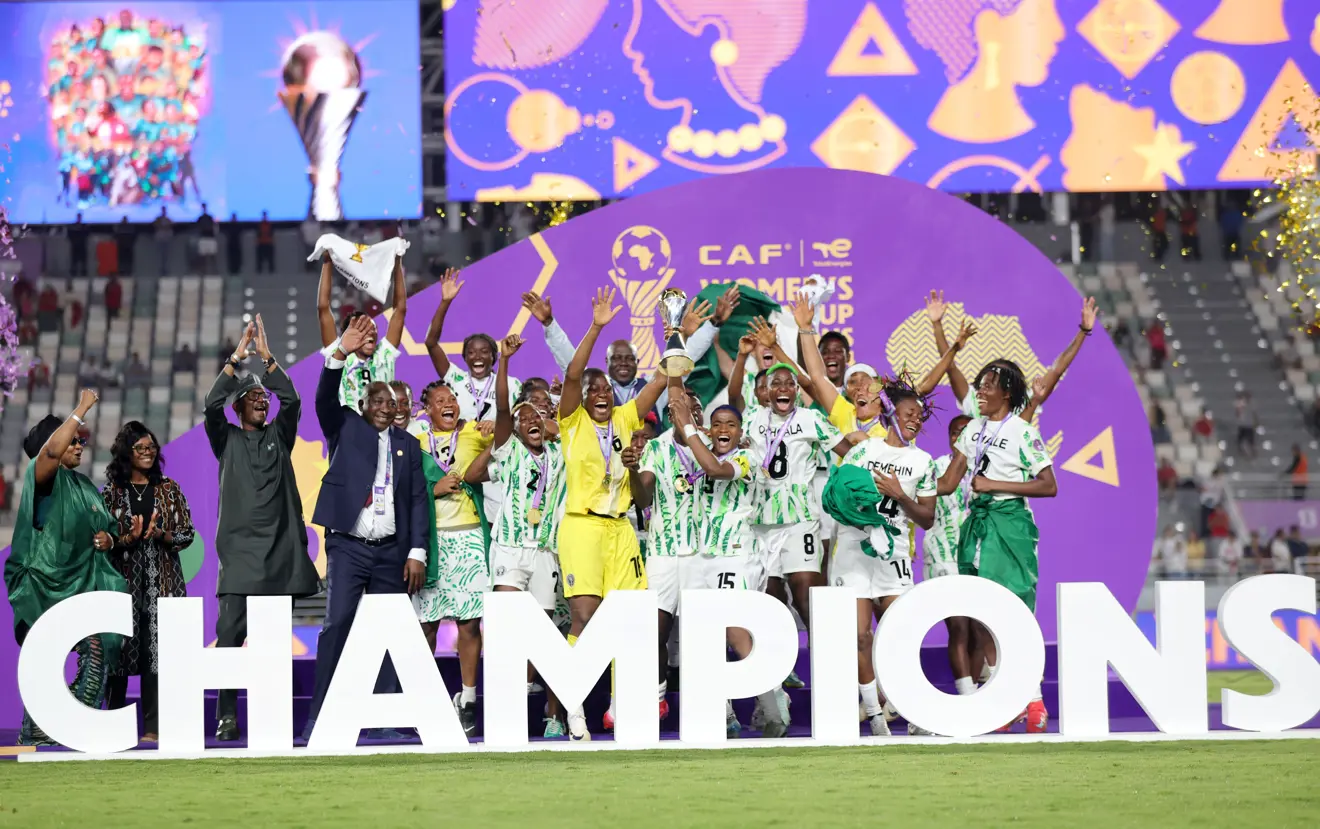
The Nigeria women’s national football team, known as the Super Falcons, is celebrating their 10th Women’s Africa Cup of Nations (WAFCON) title.
Many observers have already labelled this the “Group of Death.”
Nigeria arrive as defending champions chasing an unprecedented 11th WAFCON title. Yet Zambia represent perhaps the biggest threat to their dominance, led by BBC Women’s Footballer of the Year Barbra Banda.
Egypt continue rebuilding their women’s programme and could prove difficult opponents. While tournament debutants Malawi will look to make history by reaching the knockout rounds.
The standout fixture is undoubtedly Nigeria vs Zambia, a contest many believe could easily have been a final. Whichever team finishes first may avoid another heavyweight until the semi-finals.
Sportxparte prediction: Nigeria first, Zambia second.
Group D: Ghana, Cameroon, Mali, Cape Verde
This group has the greatest potential for surprise.
Ghana return with renewed confidence after their impressive third-place finish in the previous edition. Cameroon remain one of African women’s football’s traditional powers despite qualifying through the FIFA rankings.
Mali are physically strong and tactically organised, while Cape Verde become one of the tournament’s most inspiring stories as first-time participants.
Unlike the other groups, there is no overwhelming favourite here. Every match could significantly reshape the standings, making this arguably the most unpredictable group in the competition.
Sportxparte prediction: Ghana first, Cameroon second.
WAFCON 2026: The Fixtures Every African Football Fan Should Circle
While every match matters in a World Cup qualifying tournament, several fixtures stand out as potential classics.
Morocco vs Algeria (30 July)
Football rarely needs extra motivation when neighbouring rivals meet.
The political, cultural and sporting rivalry between Morocco and Algeria always creates an electric atmosphere, and with first place in Group A potentially at stake, this could become one of the tournament’s defining moments.
South Africa vs Ivory Coast (31 July)
This encounter could determine Group B’s winner.
South Africa possess more tournament experience, but Ivory Coast have enough attacking quality to expose any defensive mistakes.
Nigeria vs Zambia (1 August)
This is arguably the biggest match of the group stage.
The defending champions against Africa’s most explosive attacking team.
Barbra Banda versus Nigeria’s experienced defence. It is also a potential preview of a semi-final or even a future continental final.
Egypt vs Nigeria (5 August)
Egypt will likely need a positive result to keep their knockout hopes alive.
For Nigeria, the objective will be maintaining momentum heading into the quarter-finals. Given the history between Nigerian and Egyptian football across both men’s and women’s competitions, this fixture carries plenty of significance.
Ghana vs Cameroon (2 August)
Two experienced African nations with ambitions of returning to the continent’s elite. Expect a physical battle with little separating the teams.
For Ghana, this could become the match that determines whether they finish first or second in Group D.
WAFCON 2026: The Knockout Stage Will Decide Africa’s World Cup Future
Unlike previous editions, the stakes extend well beyond lifting the trophy.
Every quarter-final now carries enormous pressure because qualification for the 2027 FIFA Women’s World Cup is on the line.
The four semi-finalists will automatically book their tickets to Brazil. For teams eliminated in the quarter-finals, hope will not disappear entirely. CAF has introduced additional qualification play-offs, allowing two more nations to reach the intercontinental qualifying tournament.
That means reaching the last eight is only the beginning. Every knockout match could determine whether a nation competes on football’s biggest stage in 2027.
Sportxparte’s Early Tournament Predictions for WAFCON 2026

Best XI team from the 2024 Women’s Africa Cup of Nations (WAFCON), which was held in Morocco.
After analysing recent form, squad depth, coaching stability and tournament experience, these are our early predictions:
Champions: Nigeria
Runners-up: Morocco
Semi-finalists: South Africa and Zambia
Dark horse: Ghana
Breakthrough team: Cape Verde
Top scorer: Barbra Banda (Zambia)
Best goalkeeper: Chiamaka Nnadozie (Nigeria)
Player of the Tournament: Rasheedat Ajibade (Nigeria)
One prediction, however, deserves particular attention.
Do not underestimate Morocco.
Playing at home has transformed the Atlas Lionesses over the past two tournaments, and with experienced coach Jorge Vilda on the sidelines, they possess enough quality to challenge Nigeria once again.
The question is whether they have finally learned how to finish the job after consecutive runners-up finishes.
WAFCON 2026: The Fixtures That Could Decide Africa’s Future
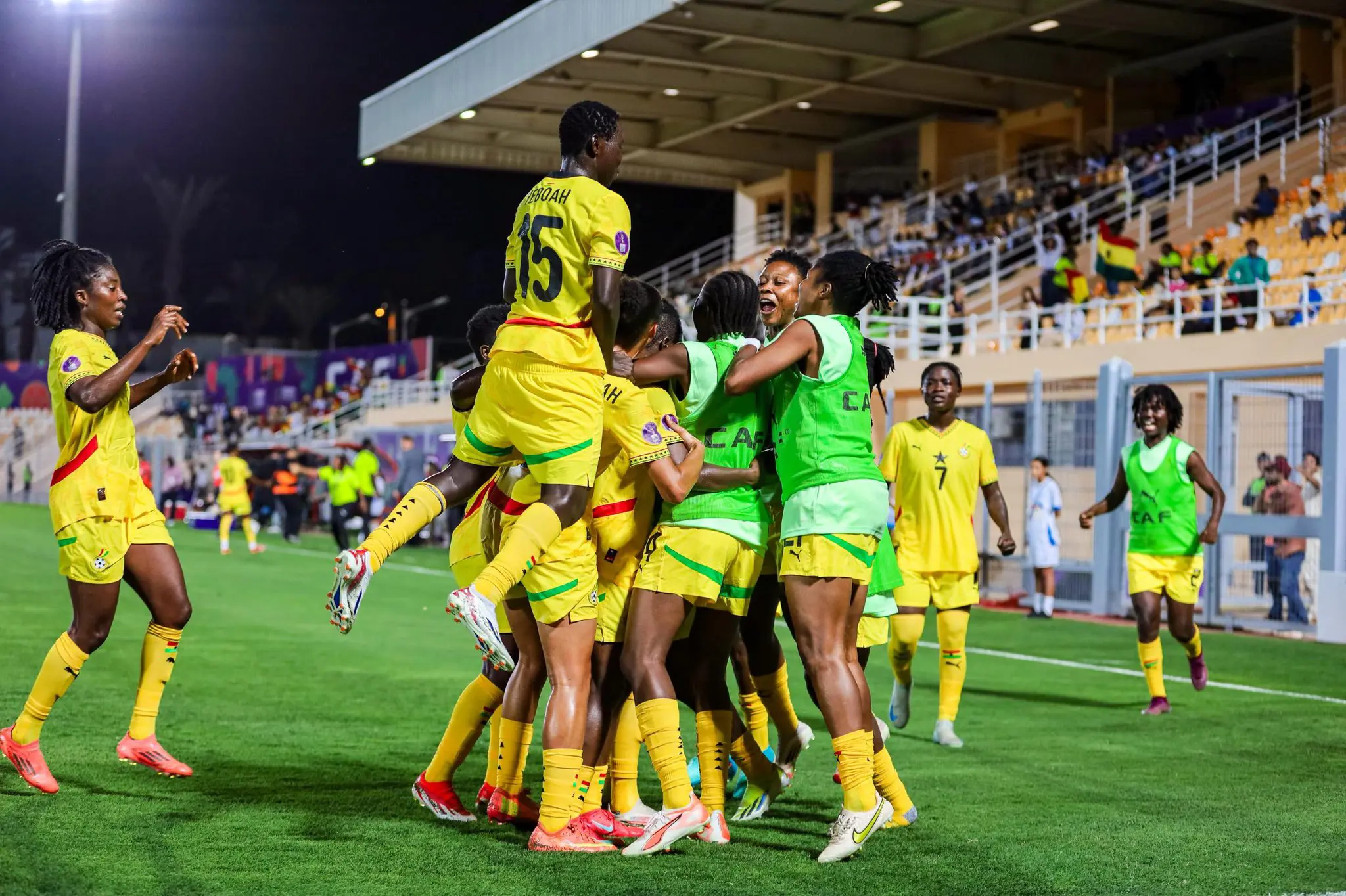
The Ghana women’s national football team, known as the Black Queens, celebrated a victory against Algeria in the 2024 TotalEnergies CAF Women’s Africa Cup of Nations.
The group stage schedule offers several heavyweight clashes that could reshape the tournament long before the knockout rounds begin.
Nigeria’s meeting with Zambia on 1 August is arguably the biggest fixture of the opening phase. It pits the tournament favourites against the side led by 2024 BBC Women’s Footballer of the Year Barbra Banda.
The winner will likely top Group C and secure what could be a more favourable quarter-final route.
Morocco’s North African derby against Algeria on 30 July also promises to be one of the most emotionally charged matches of WAFCON 2026. With passionate home support expected in Rabat, the Atlas Lionesses know victory would strengthen their ambitions of finally winning the continental title after finishing runners-up twice.
Group D could prove the most unpredictable. Ghana, Cameroon and Mali all possess enough quality to reach the semi-finals, meaning every point will matter.
Cape Verde, making their tournament debut, arrive with nothing to lose and could become this year’s surprise package.
Meanwhile, defending champions South Africa face a difficult Group B. Their showdown against Ivory Coast may determine who finishes top. While Burkina Faso and Tanzania are both capable of causing upsets if underestimated.
By the time the quarter-finals begin on 8 August, only eight teams will remain in the race for the title and, more importantly, for automatic qualification to the 2027 FIFA Women’s World Cup in Brazil.
Why WAFCON 2026 Matters Beyond Morocco
This tournament is about far more than lifting a trophy.
For many African nations, WAFCON 2026 has become the biggest stage to showcase the rapid development of women’s football across the continent.
Investment in coaching, youth academies and professional leagues has increased significantly over the last five years, and Morocco’s continued hosting of major CAF competitions reflects that wider transformation.
The expanded 16-team format also gives emerging nations invaluable experience against Africa’s elite. Countries like Malawi, Kenya and Cape Verde may not be among the favourites.
But participation alone accelerates the growth of their women’s football programmes.
The stakes are even higher because the four semi-finalists will automatically qualify for the 2027 FIFA Women’s World Cup. For smaller football nations, that opportunity could transform funding, player development and international recognition for years to come.
From Sportxparte’s African perspective, this is the real legacy of WAFCON 2026. Every victory, every upset and every qualification campaign contributes to raising the standard of women’s football across Africa, creating more opportunities for the next generation of female stars.
Verdict: Africa’s Biggest Women’s Football Tournament Has Entered a New Era
WAFCON 2026 arrives after months of uncertainty, but it finally begins with more significance than ever before.
Sixteen nations will battle for continental glory, while also chasing qualification for the 2027 FIFA Women’s World Cup. Nigeria enter as favourites to win an 11th title, Morocco hope home support can finally carry them to history.
South Africa aim to defend their crown, while Zambia, Ghana and several emerging nations believe they can upset the established order.
Beyond the football, this tournament represents the continued rise of women’s football across Africa. Every edition attracts larger audiences, stronger competition and greater global attention, proving that the women’s game on the continent has never been healthier.
By 16 August, one nation will lift the WAFCON trophy. But regardless of who becomes champion, African women’s football will already have taken another significant step forward.