World Cup 2026
Cape Verde’s Fairytale Wasn’t The Only African Story: Here’s Africa’s Group Stage Report Card
The expanded 48-team format at the 2026 FIFA World Cup was expected to make life easier for football’s traditional giants.
With more qualification spots available and a longer group stage, many assumed the heavyweights would cruise into the knockout rounds.
Instead, the opening phase of the tournament produced one surprise after another.
For African football, the group stage was a mixture of history, heartbreak, redemption, and renewed hope. Cape Verde became the smallest nation ever to reach the World Cup knockout rounds. Nigeria watched from home, its absence felt throughout.
Morocco continued to prove they belong among the world’s elite. While Senegal’s qualification hopes were left hanging by a thread until the final standings.
Some nations exceeded expectations, others fell painfully short, but together Africa once again showed it can compete with the very best.
Here is Sportxparte’s report card on all 10 African teams after the World Cup 2026 group stage.
Cape Verde: The Story of the Tournament at World Cup
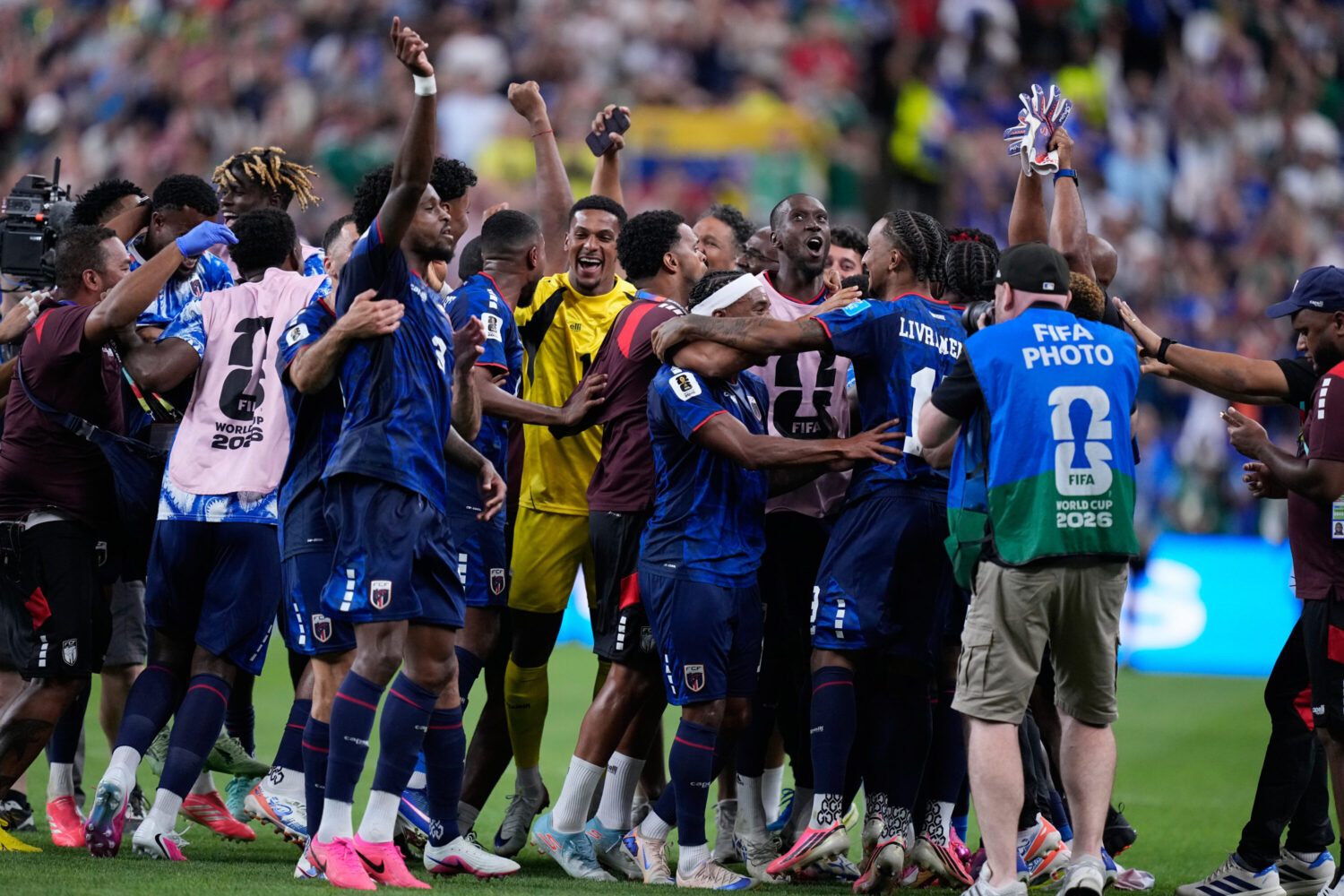
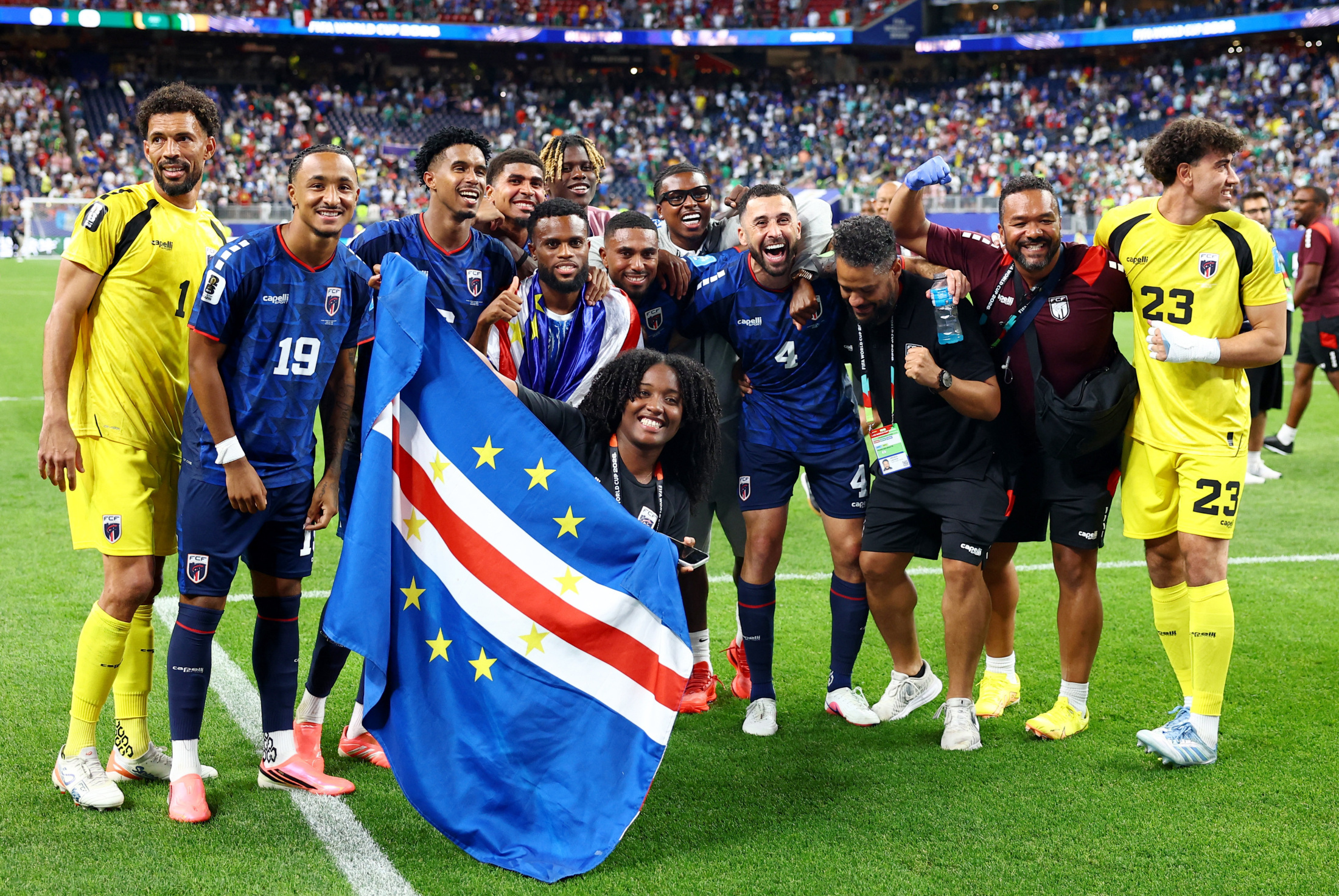
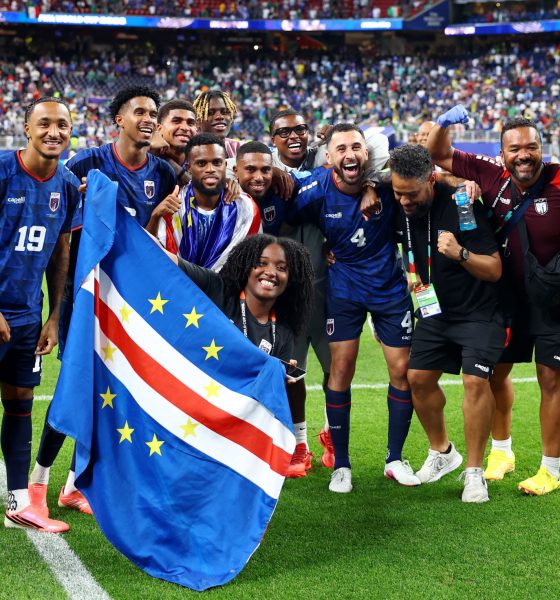
Cape Verde national football team celebrating their historic qualification for the knockout round of the 2026 FIFA World Cup.The Cape Verde national football team is celebrating its historic qualification for the knockout round of the 2026 FIFA World Cup.
No African nation captured the imagination quite like Cape Verde.
Making their first-ever World Cup appearance, the Blue Sharks arrived in North America ranked 67th in the FIFA rankings with a population of barely 525,000.
Drawn alongside Spain, Uruguay, and Saudi Arabia, very few expected Bubista’s men to survive the group.
Instead, they became one of the biggest stories of the World Cup 2026.
Cape Verde frustrated reigning European champions Spain in a remarkable goalless draw despite facing 27 shots, with veteran goalkeeper Vozinha delivering one of the finest goalkeeping displays of the tournament.
If that performance earned admiration, their next match earned worldwide respect.
Twice trailing against two-time world champions Uruguay. Cape Verde twice fought back to secure a dramatic 2-2 draw before completing the job with another disciplined goalless draw against Saudi Arabia.
The reward was enormous.
Cape Verde finished second in Group H to become the smallest nation ever to qualify for the World Cup knockout stages. And the first tournament debutants to progress beyond the group stage since Slovakia achieved the feat in 2010.
For a country many predicted would finish bottom of the group, it was one of the greatest underdog stories the World Cup has produced in recent decades.
Grade: A+
Morocco: Africa’s Standard Bearers Again in World Cup 2026
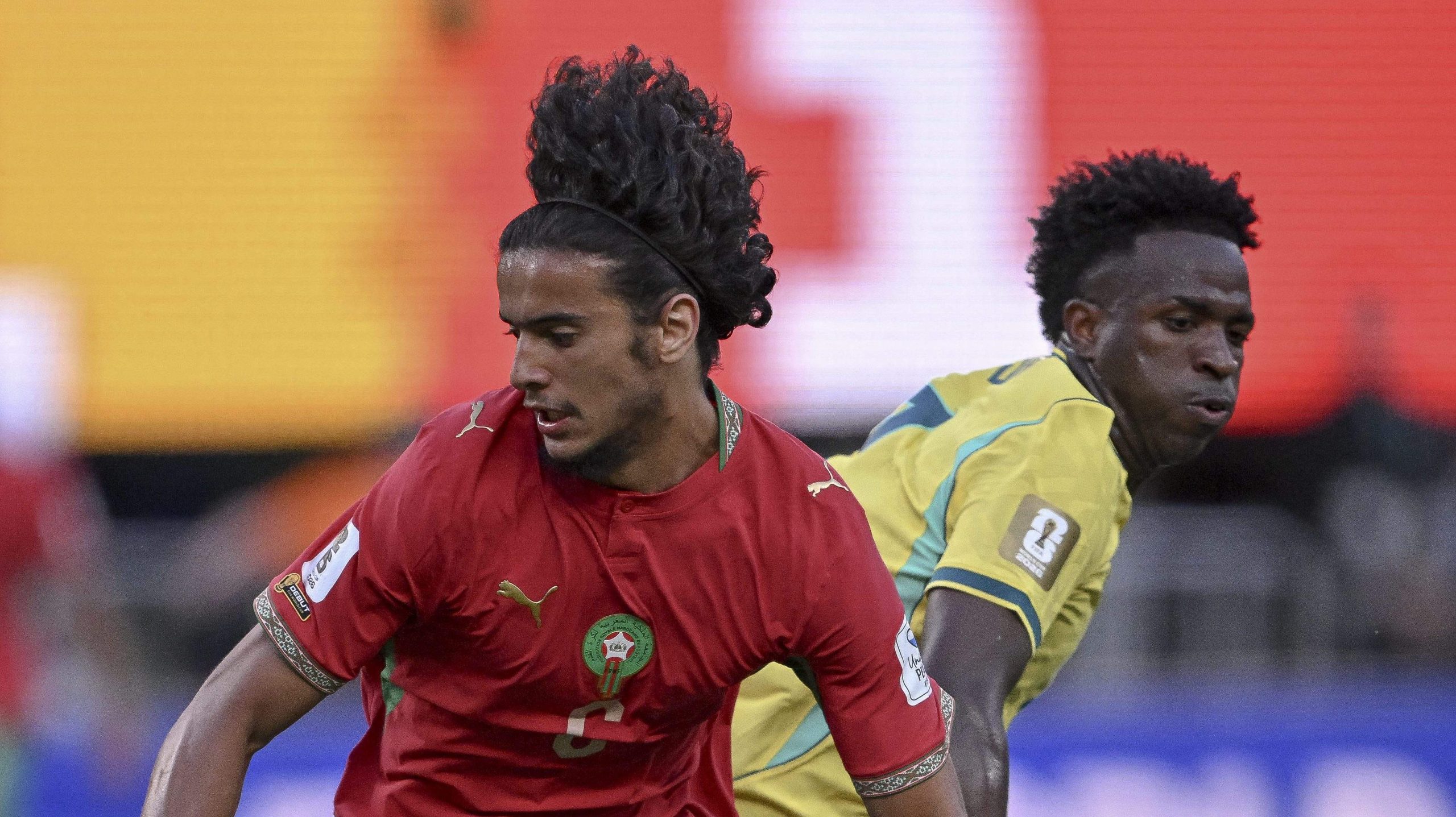
Moroccan footballer Ayyoub Bouaddi is playing against Brazil’s Vinícius Júnior during the 2026 World Cup.
Rather than shrinking under that pressure, the Atlas Lions reinforced their reputation as one of world football’s emerging powers.
A disciplined draw against Brazil showcased both tactical maturity and technical quality. Young midfielder Ayyoub Bouaddi announced himself as one of the competition’s breakout stars with composed performances beyond his years.
Morocco once again looked organised defensively, confident in possession and dangerous on the counterattack.
Perhaps most importantly, they never appeared intimidated by elite opposition.
Their group-stage campaign suggested that Morocco’s success in 2022 was no one-off achievement but the beginning of a sustained period of excellence for African football.
Grade: A-
Egypt: Thirty-Six Years of Waiting Could Finally End
Egypt’s campaign steadily gathered momentum.
After earning a valuable point against Belgium, the Pharaohs produced an impressive 3-1 comeback victory over New Zealand to move to the top of Group G.
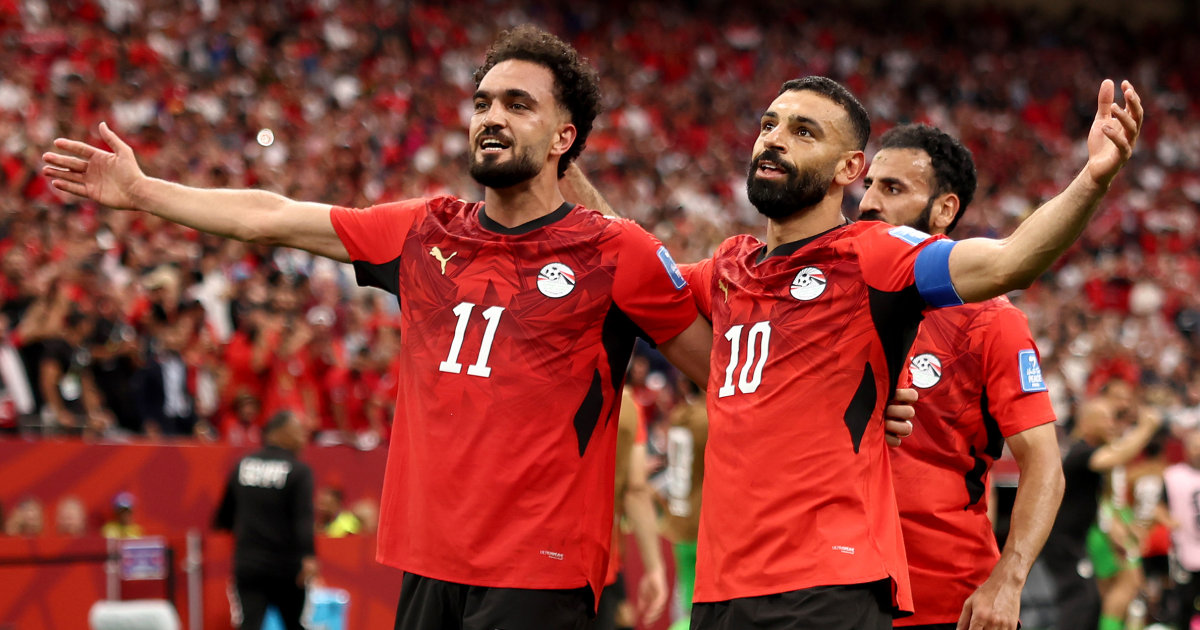
Egypt’s Mohamed Salah (number 10) is celebrating alongside teammates Mostafa Mohamed (number 11) and Trézéguet during the 2026 FIFA World Cup.
Mohamed Salah has quietly been one of Africa’s most influential players at the tournament, contributing one goal and two assists while leading by example throughout the group stage.
With Egypt beating Iran they qualified for the knockout rounds for the first time since 1990.
Grade: B+
DR Congo: Better Than Many Expected in World Cup 2026
Returning to the World Cup after more than half a century, DR Congo refused to play the role of underdogs.
They competed courageously against stronger opponents, earned valuable results, and demonstrated the organisation that has become their trademark under pressure.
Midfielder Noah Sadiki impressed with his tireless work rate, while the team’s defensive discipline frustrated more fancied nations.
Even beyond the results themselves, DR Congo looked like a side capable of competing consistently at football’s highest level.
For a nation making its long-awaited return, that represents significant progress.
Grade: B+
Senegal: Too Little, Too Late?
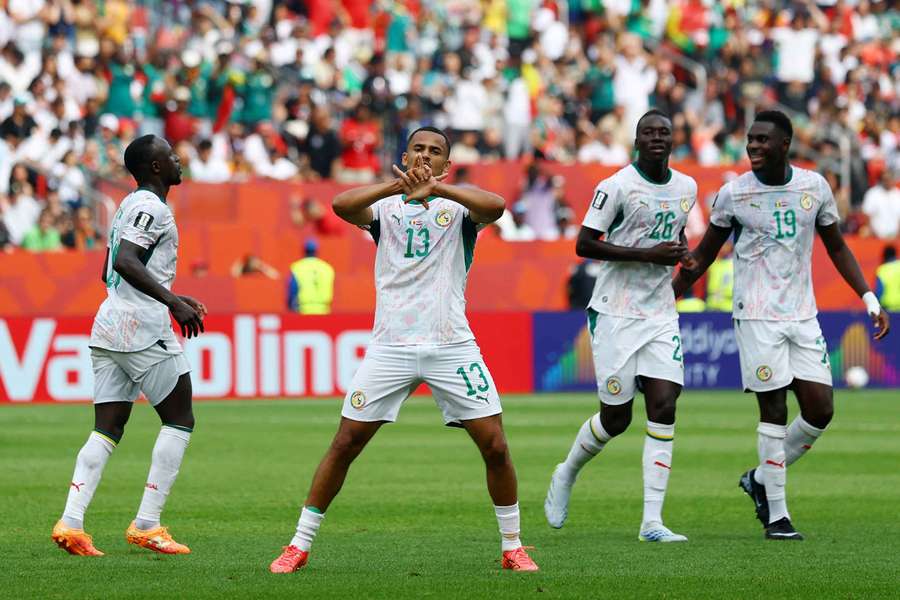
Senegal midfielder Iliman Ndiaye (#13) crosses his hands in celebration after scoring a goal during Senegal’s historic 5-0 victory against Iraq in Group I of the 2026 FIFA World Cup at Toronto Stadium.
Senegal entered the tournament as one of Africa’s strongest hopes but never truly found their rhythm until the final group match.
Back-to-back defeats against France and Norway left the Lions of Teranga facing elimination before their emphatic 5-0 demolition of Iraq.
That victory finally showed the quality supporters had expected from the start.
Habib Diarra opened the scoring before Ismaila Sarr, Pape Gueye, and Iliman Ndiaye completed a ruthless second-half display.
Unfortunately, the revival may have arrived too late.
Despite climbing above Scotland and South Korea among the third-placed teams, Senegal’s qualification depends entirely on results elsewhere.
They qualified for the round of 32 and now face Belgium.
Grade: C+
Ivory Coast: Signs of a Bright Future
The Elephants reminded everyone why they remain one of Africa’s traditional heavyweights.
Their victory over Ecuador introduced teenage sensation Yan Diomande to a global audience. While the overall performances suggested that the future is bright.
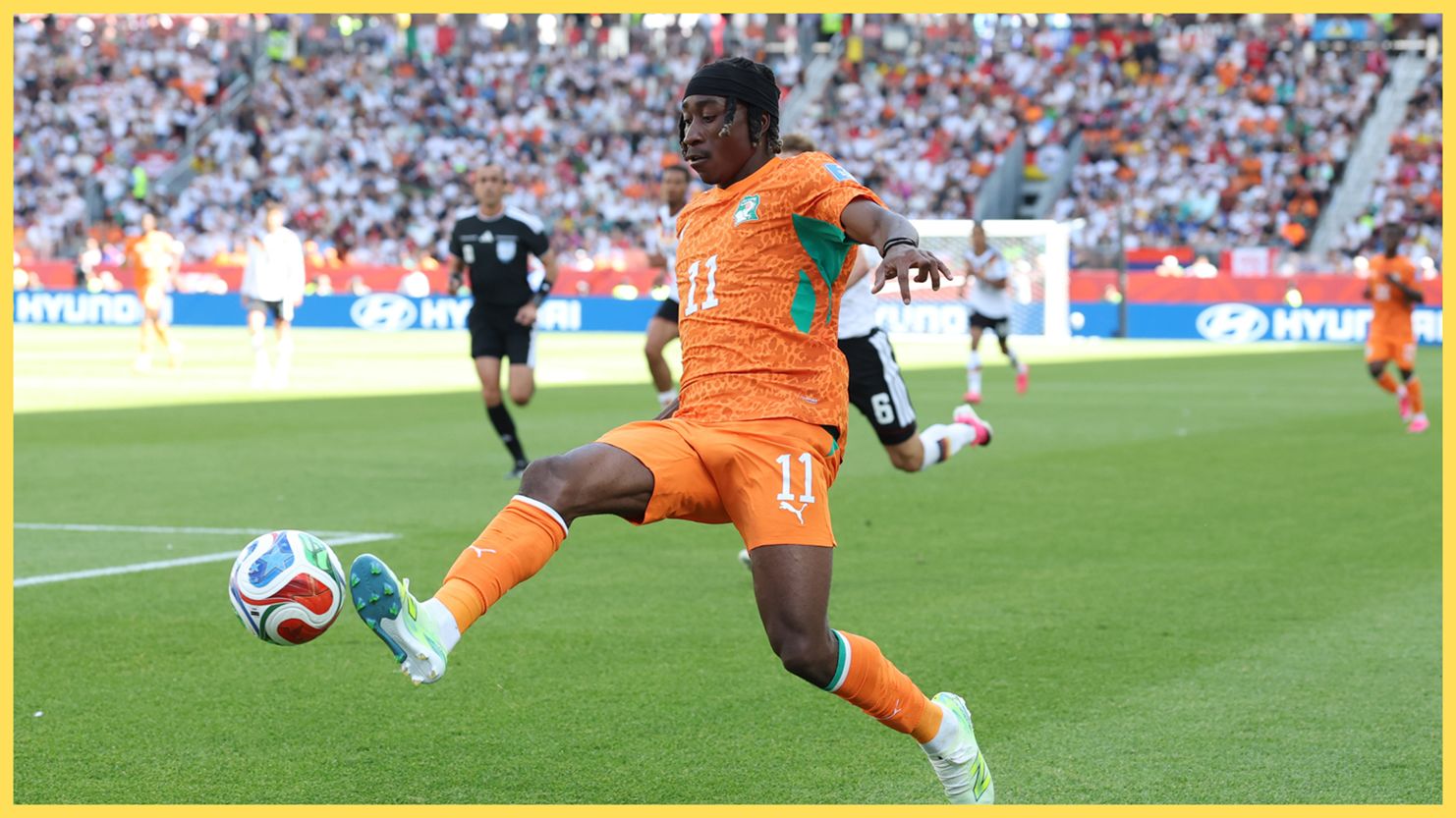
Yan Diomande playing for the Ivory Coast national team at the 2026 World Cup.
Although tougher tests followed, the Ivory Coast looked increasingly confident as the tournament progressed.
If this group can remain together beyond 2026, they have every chance of becoming genuine contenders at future major tournaments.
Grade: B
Ghana: Results Better Than Performances
Ghana collected valuable points but rarely convinced.
The Black Stars often relied on moments of individual quality rather than sustained attacking football, surviving difficult spells in several matches before securing positive results.
Questions remain about their tactical balance, particularly against stronger opponents.
Nevertheless, the group stage ensured they remained competitive throughout the tournament.
Grade: C+
South Africa: Plenty of Fight
Bafana Bafana demonstrated tremendous character throughout the group stage.
Despite facing difficult opponents and dealing with squad absences, South Africa remained competitive in every fixture.
Their resilience could not be questioned, although a lack of cutting-edge ultimately prevented them from turning encouraging performances into more victories.
It was a respectable campaign that highlighted both the team’s strengths and the areas still requiring improvement.
Grade: C
Algeria: A Farewell for Mahrez
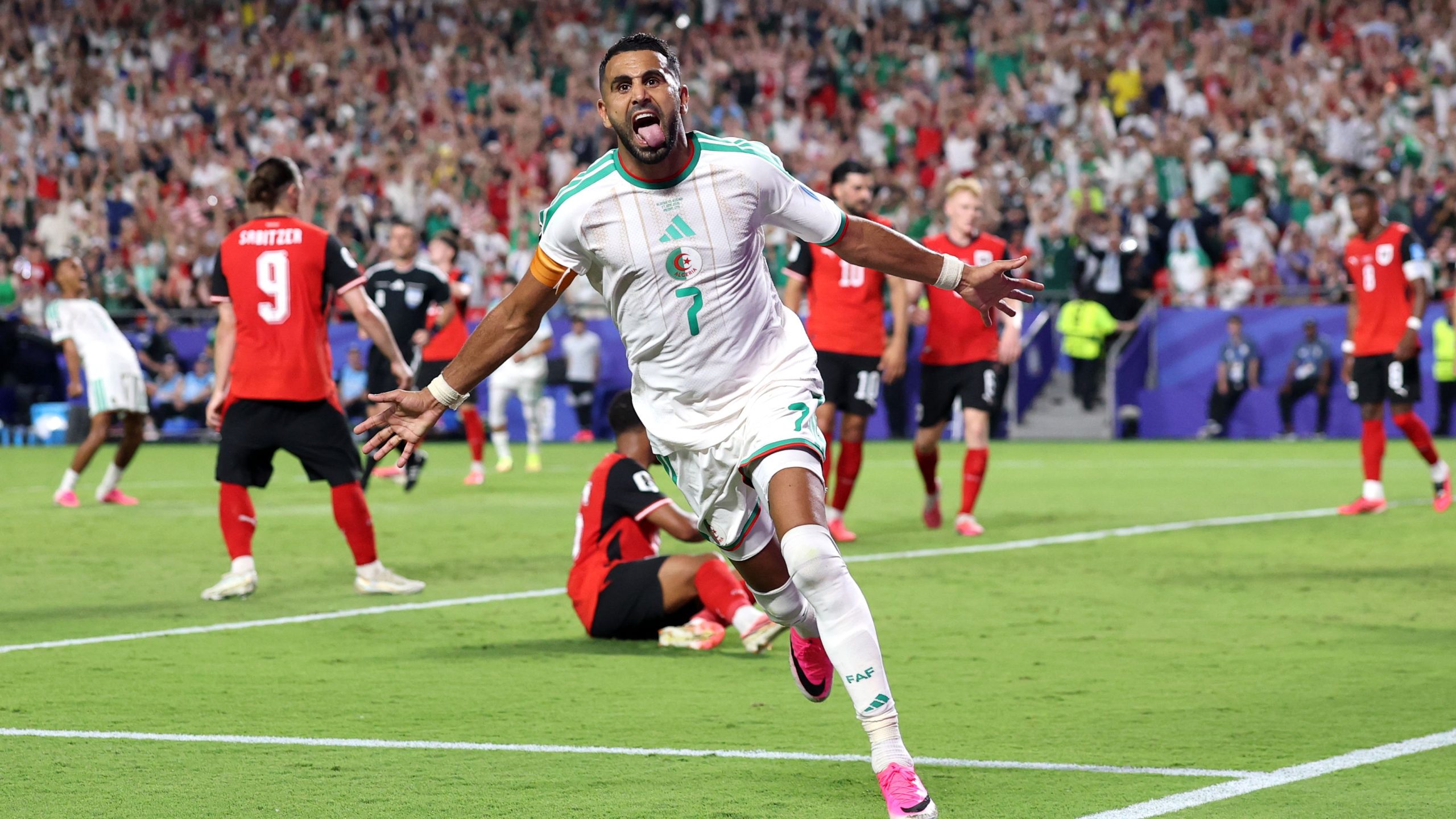
Riyad Mahrez celebrates a goal for the Algeria national football team against Austria at the 2026 World Cup
Algeria’s tournament proved bittersweet.
While veteran captain Riyad Mahrez continued to provide moments of inspiration. The Desert Foxes struggled to produce consistent performances against elite opposition.
The emergence of younger talents such as Ibrahim Maza nevertheless offered encouragement for the future.
Algeria drew their last game and qualified as the best loser of the group.
Grade: C+
Tunisia: A Tournament to Forget
No African nation endured a more disappointing campaign than Tunisia.
Heavy defeats, managerial instability, and defensive errors combined to produce one of the poorest performances of the entire tournament.
The mid-tournament coaching change failed to inspire any meaningful turnaround as Tunisia exited the competition early once again.
With six consecutive World Cup group-stage eliminations now behind them, significant rebuilding will be required before the next tournament.
Grade: F
Nigeria’s Absence Was Impossible to Ignore
As African nations battled on football’s biggest stage, one familiar giant was missing.
Nigeria’s failure to qualify remained one of the tournament’s biggest talking points across the continent.
Considering the wealth of talent currently playing across Europe’s top leagues. The Super Eagles’ absence felt even more significant as other African nations continued making history.
Their failure serves as a reminder that qualification can never be taken for granted, regardless of reputation.
Verdict
Africa’s World Cup 2026 group stage produced almost every emotion imaginable.
Cape Verde delivered one of the greatest underdog stories in World Cup history. Morocco once again showed why they belong among football’s elite.
Egypt qualified after a 36-year wait for the knockout rounds. Senegal reminded everyone of their quality but perhaps too late.
Not every campaign ended in celebration, but collectively Africa demonstrated that the gap between the continent and the traditional powers continues to narrow.
With several African nations advancing to the Round of 32, the continent’s biggest stories at World Cup 2026 may still lie ahead.