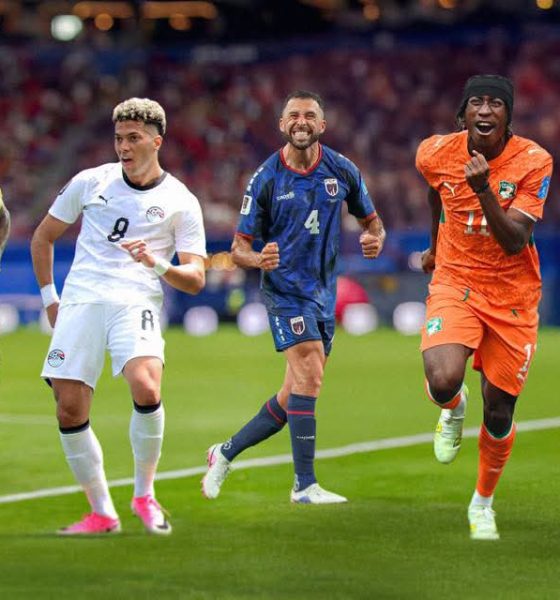
African Football
The Biggest Lie About African Football And How World Cup 2026 Finally Destroyed It
For decades, African football has carried a burden that no other footballing continent has been forced to shoulder.
It was never a lack of talent. It was never a lack of passion. And it was never a lack of players capable of competing with the very best.
Instead, it was a story told so many times that millions of people eventually accepted it as truth.
”African football is physical… but tactically naïve.”
”African players rely on pace and power, not intelligence.”
”They can produce great individuals, but they can never build great teams.”
Those words became football’s most comfortable stereotype.
European commentators repeated them. Scouts quietly believed them. Television analysts reinforced them.
Even some African supporters, after hearing the same narrative for decades, began to wonder if it might actually be true.
That was the biggest lie about African football. Not because it contained a little truth.
But because it ignored every piece of evidence that suggested otherwise.
Then came the 2026 FIFA World Cup. And everything changed. For the first time in World Cup history, Africa didn’t simply produce another surprise package.
The continent produced an undeniable body of evidence that forced the football world to rethink everything it thought it knew. This wasn’t a one-off magical run like Cameroon’s in 1990.
It wasn’t one unforgettable tournament like Senegal in 2002. It wasn’t one heartbreaking quarter-final like Ghana in 2010.
It wasn’t even another Morocco miracle after Qatar 2022. World Cup 2026 wasn’t about one team.
It was about an entire continent announcing that it had evolved. And there was no longer anywhere for the old stereotype to hide.
The Biggest Lie About African Football Was Never Supported by the Evidence
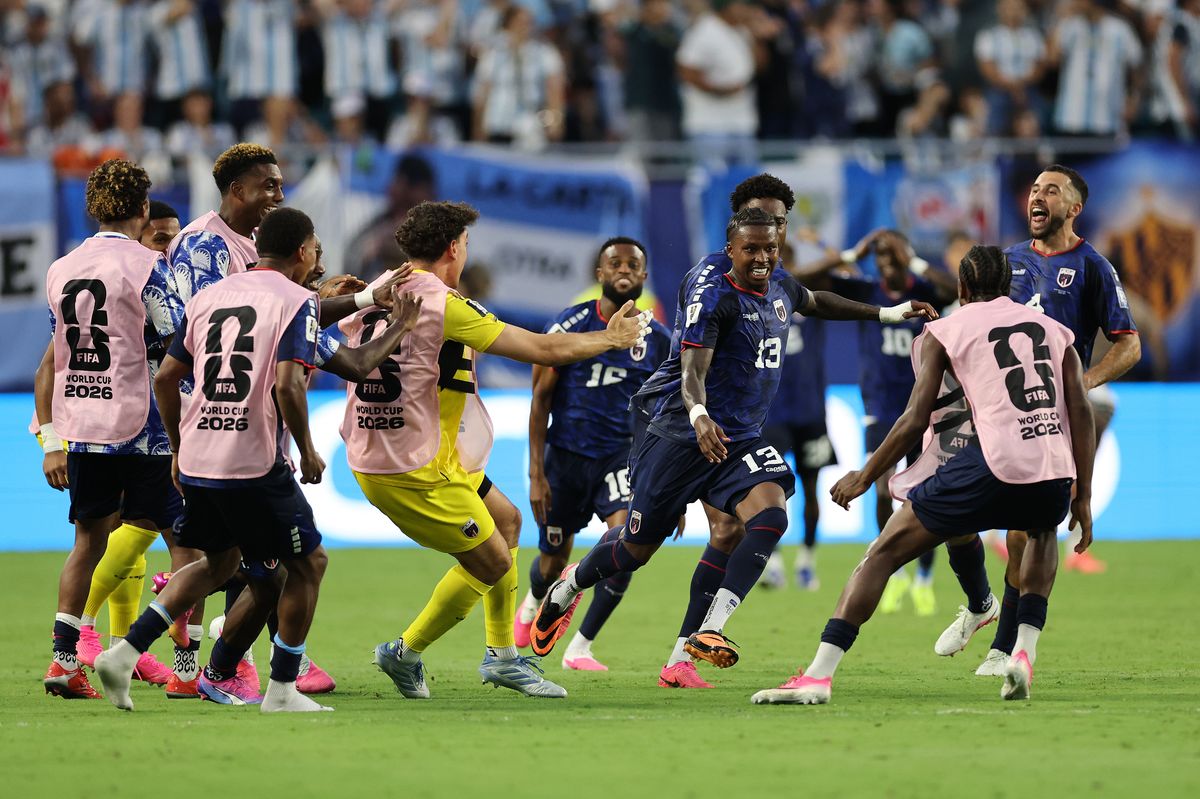
Cape Verde football players in dark blue uniforms are celebrating Sidny Lopes Cabral’s extra-time goal against Argentina at Miami Stadium during the 2026 FIFA World Cup Round of 32.
For almost a century, African football has been judged differently.
When a European midfielder misplaced five passes, pundits called it an off day. When an African midfielder did the same, people questioned his football education.
When a South American coach lost, analysts discussed tactics. When an African coach lost, they questioned whether African football understood tactics at all.
The standards were never equal. African teams were expected to prove themselves every tournament.
European teams were assumed to belong before a ball had even been kicked. That difference shaped how every World Cup performance was interpreted.
Cameroon reaching the quarter-finals? A miracle.
Senegal eliminating France? A surprise.
Ghana dominating world football’s biggest stage? A lucky generation.
Morocco reaching the semi-finals in 2022? An exception.
Notice the pattern. Every African success had to be explained away. Never accepted. Always treated as temporary.
Meanwhile, similar achievements by European nations were described as evidence of football culture, coaching philosophy, or tactical excellence.
The conversation was never really about football. It was about perception.
That perception survived because African football had never produced enough success at the same tournament to destroy it. Until now.
World Cup 2026 Produced Evidence Nobody Could Ignore
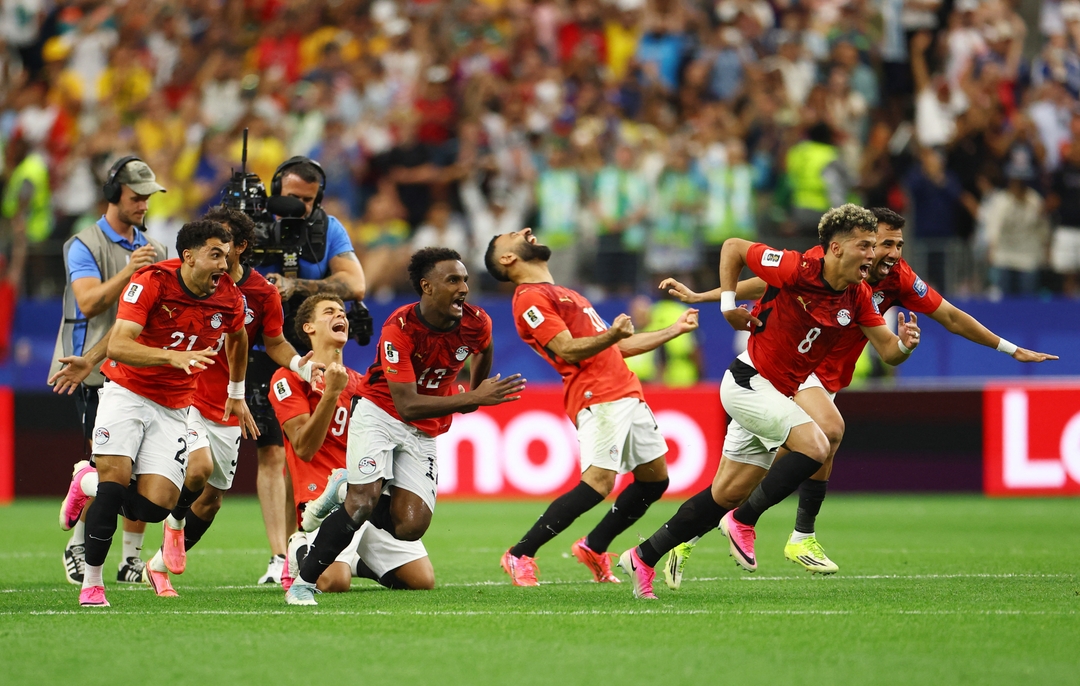
Egyptian national team players, including Trezeguet and Emam Ashour, are celebrating a penalty shootout victory against Australia to reach the 2026 FIFA World Cup round of 16 for the first time.
If someone still wants to repeat the biggest lie about African football after World Cup 2026, they are choosing to ignore reality.
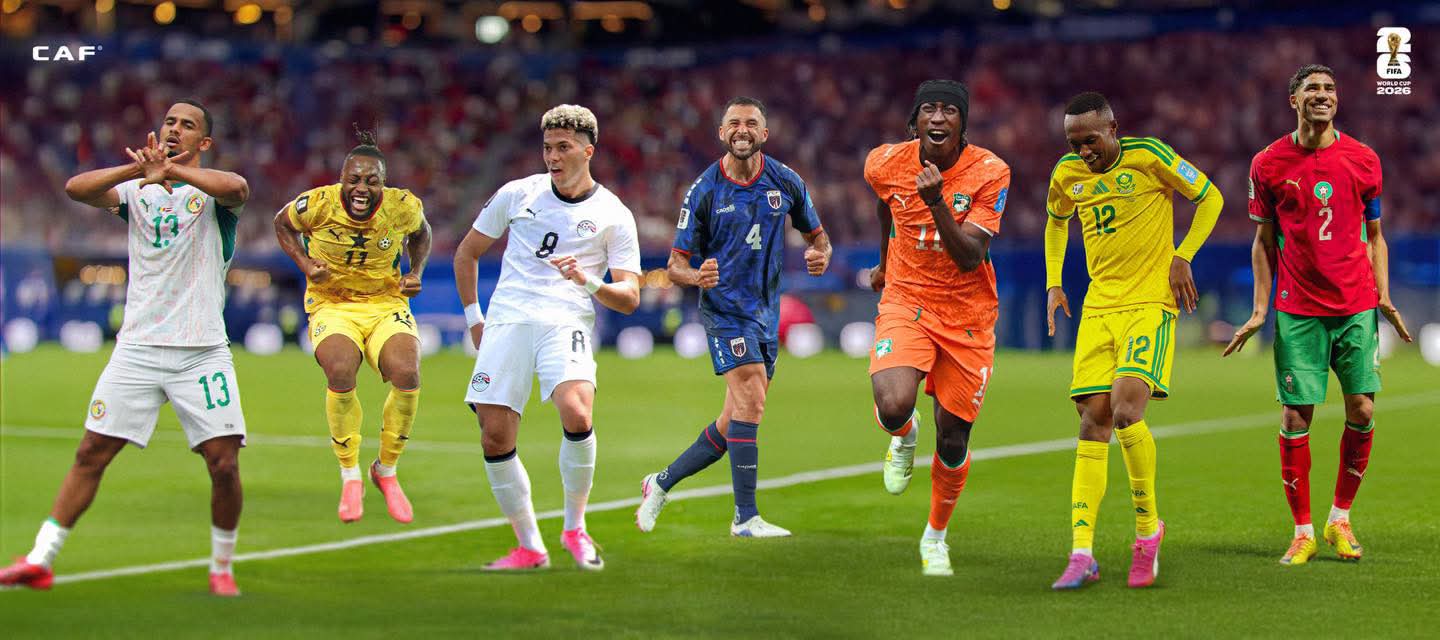
Because the numbers tell an entirely different story. Africa sent ten nations to the tournament.
It became the continent’s largest World Cup representation in history. Instead of merely making up the numbers, African teams consistently competed with football’s traditional superpowers.
Nine nations advanced beyond the group stage. Historic victories were recorded across multiple groups.
Established giants were pushed to their limits. Tournament favourites were forced into tactical battles they did not expect.
This was not one country carrying African hopes. It was Morocco, It was Egypt, and It was DR Congo, It was Cape Verde. It was Ghana, It was South Africa.
Different styles. Different coaches. And different football cultures.
The common denominator was not luck. It was preparation.
For years, critics claimed African football lacked tactical discipline.
Then Morocco frustrated Brazil with one of the most organised defensive performances of the tournament.
They claimed African teams could not control matches. Egypt went two goals ahead against Argentina and dictated the rhythm for long periods before eventually losing to a comeback inspired by world-class quality.
They claimed African nations relied only on athleticism.
Cape Verde, making their World Cup debut, held eventual champions Spain to a goalless draw through intelligent positioning, compact defending and remarkable game management.
Nothing about those performances depended solely on speed or strength. They depended on coaching. Structure. Decision-making. Discipline. Football intelligence.
Exactly the qualities African football had supposedly lacked. The stereotype did not survive contact with reality.
It collapsed under the weight of evidence.
Morocco Didn’t Shock the World; They Confirmed a Revolution
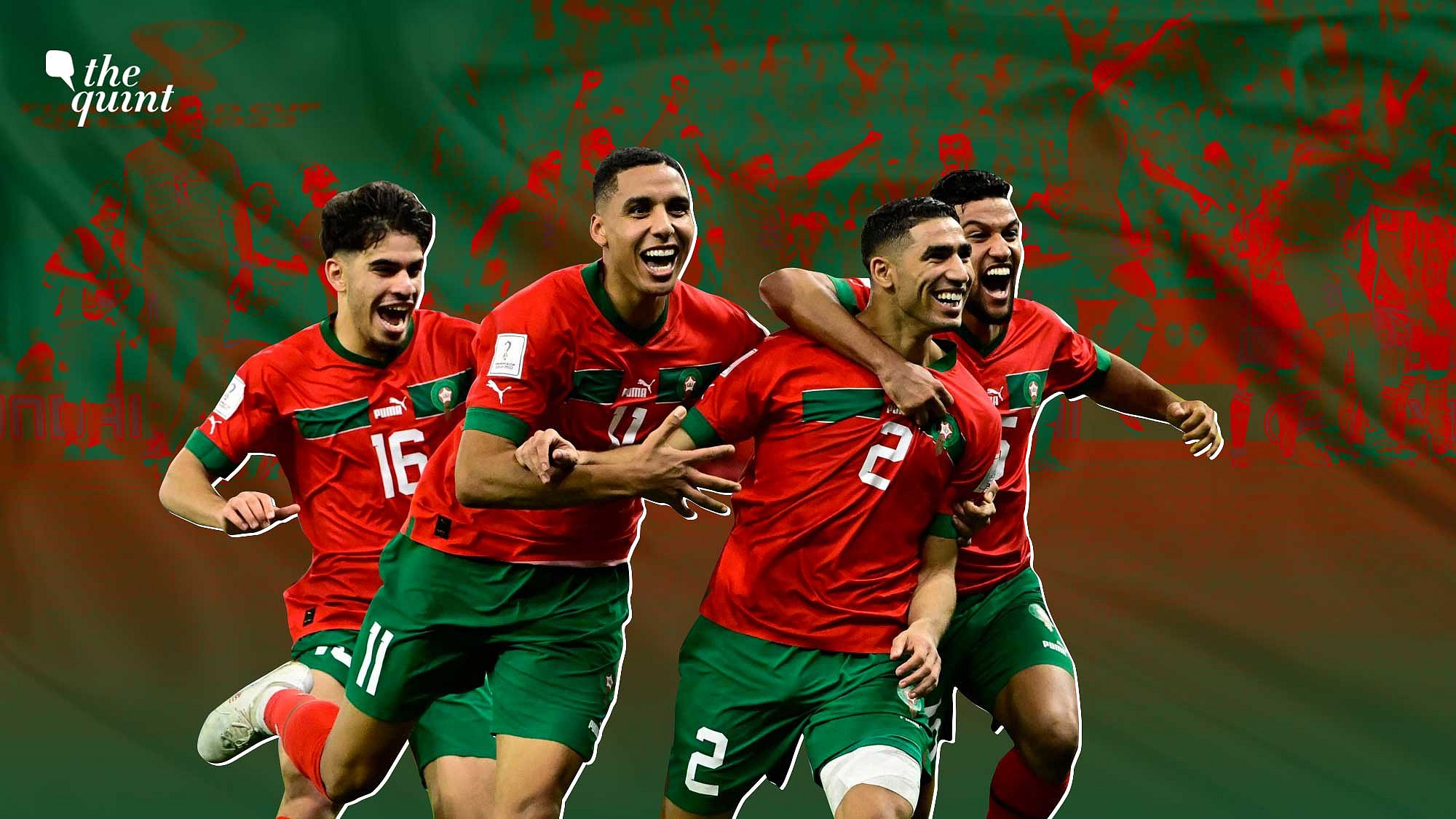
Moroccan national football team, known as the “Atlas Lions,” is celebrating a victory at the 2022 FIFA World Cup in Qatar.
Perhaps the clearest example of African football’s transformation came from Morocco. Back in Qatar 2022, the Atlas Lions became the first African nation to reach a World Cup semi-final.
The football world applauded. Then many dismissed it. They called it a once-in-a-generation run.
A fairytale. A miracle that could never happen again. World Cup 2026 exposed how wrong that thinking was.
Morocco didn’t disappear after one successful tournament.
They returned stronger. They navigated another difficult World Cup campaign with remarkable composure, defeated elite opposition and reached yet another quarter-final.
Two consecutive deep World Cup runs are not accidents. They are the product of a footballing system.
A national philosophy. Elite youth development. Long-term planning.
Morocco stopped being a surprise years ago. Now they are a blueprint. That matters not only for Moroccan football but for the entire continent.
Because every African nation now has proof that sustained success is possible. The conversation has changed forever.
No longer is the question whether African football belongs among the world’s elite. The only remaining question is how many African nations will join Morocco there over the next decade.
Morocco Didn’t Start a Miracle; They Started a Movement
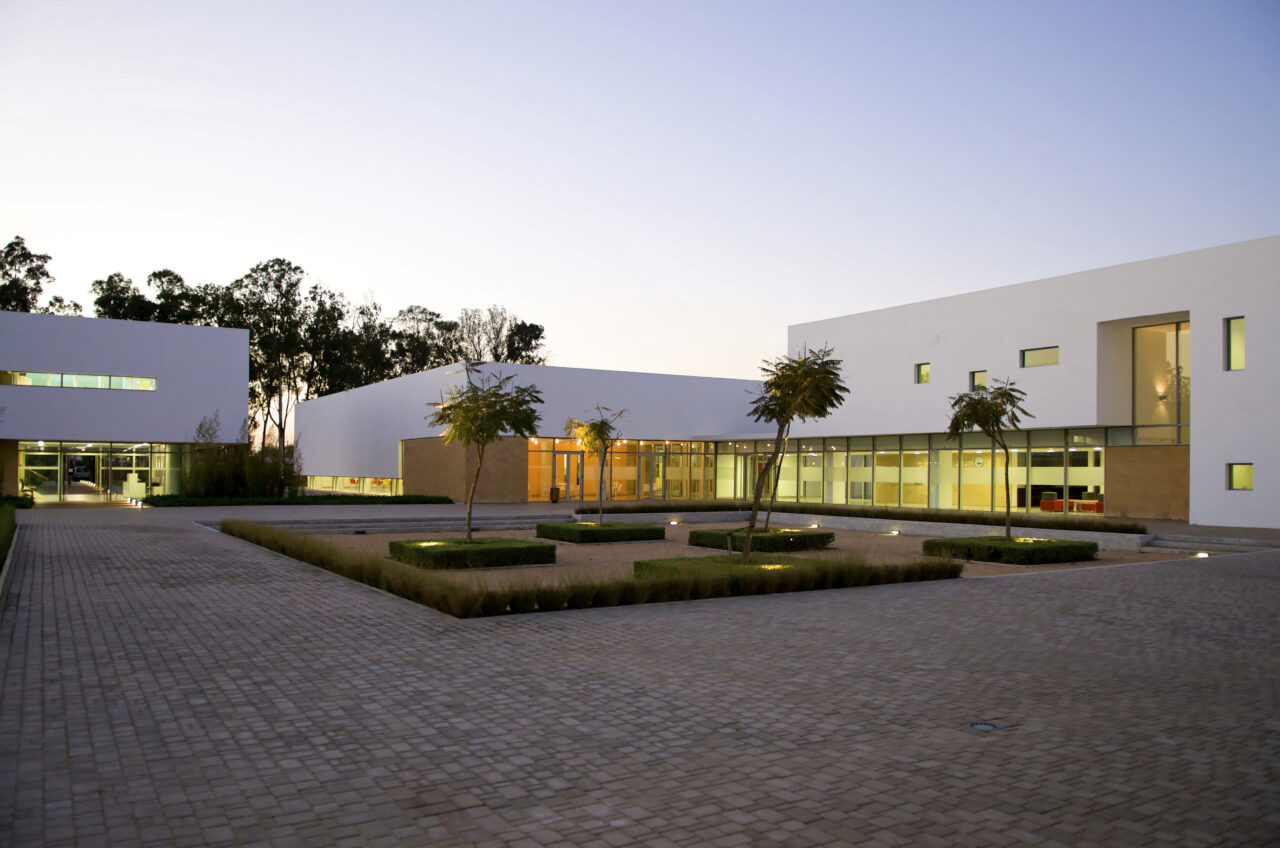
Mohammed VI Football Academy in Salé, Morocco, designed by Groupe 3 Architectes.
When Morocco reached the semi-finals of the 2022 FIFA World Cup in Qatar, much of the football world celebrated their achievement before quietly filing it away as a once-in-a-lifetime story. Pundits called it a miracle. Commentators labelled it a fairytale.
Analysts insisted everything had simply fallen into place at the perfect moment.
World Cup 2026 proved they had misunderstood Morocco completely. The Atlas Lions did not return as a team hoping to recreate magic.
They returned as one expecting success. That difference changed everything.
Against Brazil, they displayed one of the tournament’s most organised defensive performances, refusing to allow one of football’s greatest attacking nations any rhythm.
And against the Netherlands, they controlled possession in long spells instead of simply defending deep.
Against France, they lost, but not because they lacked tactical discipline or football intelligence. They lost because they faced another elite football nation operating at its highest level.
There is a huge difference. For decades, African teams were praised only when they caused upsets.
Now Morocco are judged like Germany, France or Spain, expected to compete, expected to win and expected to reach the latter stages.
That is real respect. More importantly, Morocco’s success was never built on individual brilliance alone.
It was built on years of investment in youth academies, coaching education, sports science and a football identity stretching from junior football to the senior national team.
That is exactly how Spain became world champions. It is exactly how France rebuilt after the 1980s. And now it is exactly how Morocco has become Africa’s football blueprint.
The message to the rest of Africa is simple, he path exists. Now follow it.
Egypt Changed More Than a Result; They Changed a Mentality
Perhaps the greatest psychological breakthrough for African football belonged to Egypt. For years, the Pharaohs dominated African football while struggling to translate that success onto the World Cup stage.
Whenever they faced Europe’s elite or South America’s giants, survival often became the objective. Not anymore.
Against Argentina, Egypt did something almost nobody expected. They believed.
Instead of defending with fear, they attacked with confidence. Instead of waiting for mistakes, they forced them.
And instead of hoping to survive, they genuinely looked capable of winning.
Leading Argentina 2-0 wasn’t an accident. It came from intelligent pressing.
Disciplined defensive organisation. Quick transitions. Confidence on the ball.
Even after Argentina completed one of the tournament’s greatest comebacks, Egyptian players walked away disappointed, not proud simply to have competed.
That disappointment was perhaps the biggest victory of all. Years ago, reaching the Round of 32 would have been celebrated across the country.
Now Egyptians were frustrated because they believed they should have beaten the eventual finalists. That is how elite football nations think.
And mentality often arrives before trophies do.
Cape Verde Proved Population Doesn’t Win Football Matches
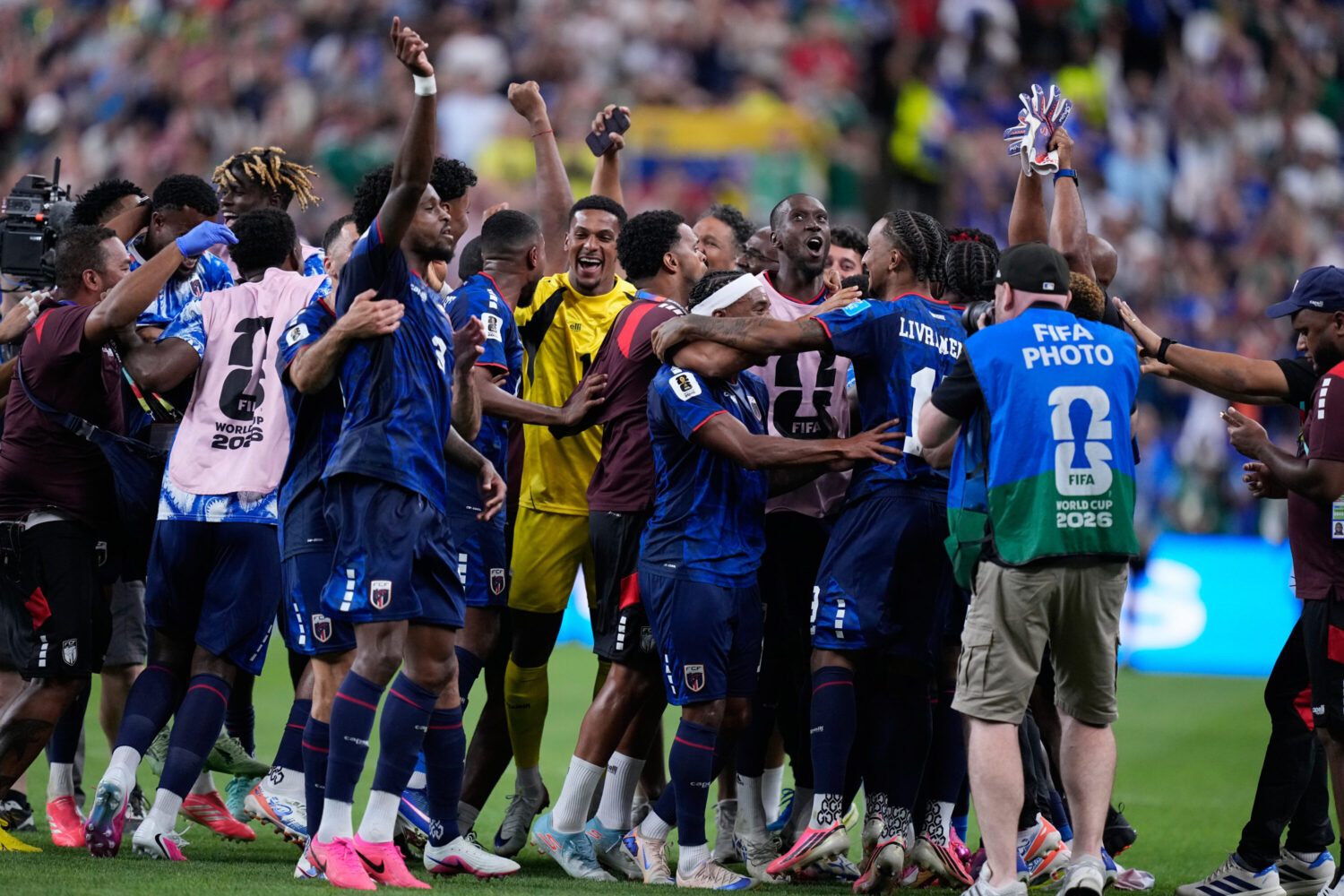
Cape Verde national football team celebrating their historic qualification for the knockout round of the 2026 FIFA World Cup.The Cape Verde national football team is celebrating its historic qualification for the knockout round of the 2026 FIFA World Cup.
No story better symbolised African football’s transformation than Cape Verde. A country with barely 600,000 people.
A nation making its first-ever World Cup appearance.
Drawn against Spain. Facing Uruguay. Meeting Argentina. Almost everyone predicted heavy defeats.
Instead, Cape Verde became one of the tournament’s biggest stories. They frustrated Spain in a historic goalless draw.
They matched Uruguay physically and tactically. And they pushed Argentina into extra time in one of the most dramatic knockout matches of the competition.
Their success wasn’t based on luck. It wasn’t based on emotion. It wasn’t based on desperate defending.
Cape Verde played organised football. Smart football. Fearless football. And at the heart of everything stood 40-year-old goalkeeper Vozinha.
His performances were extraordinary. Fifteen saves during the group stage. Seven against eventual champions Spain alone. Commanding leadership. Perfect positioning.
Calm decision-making under relentless pressure. By the end of the tournament, FIFA fans voted him into the World Cup Dream Team.
Within weeks, clubs around the world wanted him. And he joined Colo Colo. His eventual move proved something African football has always known.
Talent has no age. Talent has no population requirement.
And talent simply needs an opportunity to be seen. World Cup 2026 gave Cape Verde that opportunity. They seized it with both hands.
DR Congo Returned After 52 Years And Played Like They Never Left
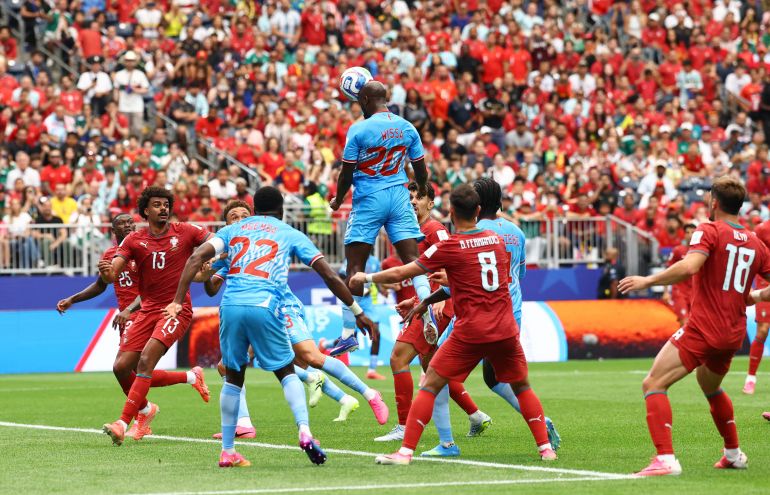
forward Yoane Wissa (#20) scored a historic equalizer for the DR Congo national football team in their 1-1 draw against Portugal at the 2026 FIFA World Cup.
If Morocco represented consistency and Cape Verde represented surprise, DR Congo represented resilience.
Their return to the World Cup after more than half a century carried enormous emotional weight.
Many expected nerves. Many predicted an early exit.
Instead, the Leopards produced football filled with courage, tactical discipline and attacking ambition. Their draw against Portugal showed remarkable organisation.
Their victory over Colombia demonstrated belief. And their players competed without the inferiority complex that had affected previous African generations.
For millions of Congolese supporters, qualification alone would have been enough. Instead, their national team gave them performances worthy of genuine pride.
That is progress. Not because they lifted the trophy. But because they looked like they belonged.
For the first time in decades, African football no longer arrived at the World Cup asking for respect. It arrived expecting it.
Europe’s Transfer Market Delivered the Final Verdict
If there was still anyone clinging to the old stereotype about African football after the World Cup, the transfer market finished the argument.
Football clubs do not spend hundreds of millions of euros because they feel sorry for players. They invest because they recognise quality.
And immediately after the tournament ended, Europe’s biggest clubs began fighting over Africa’s brightest stars.
Bayern Munich moved for Morocco’s Ismael Saibari. Real Madrid accelerated negotiations for Ivory Coast sensation Yan Diomande in a deal worth more than €100 million.
Ayyoub Bouaddi became one of the most valuable teenagers in world football. Relebohile Mofokeng earned the biggest move of his young career.
Cape Verde hero Vozinha secured a dream transfer to Colo Colo at 40 years old.
None of these deals happened because clubs wanted better athletes. They happened because clubs wanted better footballers.
Players capable of understanding complex tactical systems. Players comfortable under pressure. And they had already proved themselves against the very best nations on earth.
For years, European clubs quietly believed African football lacked tactical sophistication.
Now those same clubs are spending record-breaking fees to sign players developed by African football systems. That contradiction tells you everything.
The stereotype never matched reality.
The Real Revolution Happened Long Before World Cup 2026
People often think revolutions begin with trophies. They don’t. They begin years earlier.
Morocco invested heavily in youth development through the Mohammed VI Football Academy.
Senegal modernised coaching education. Egypt strengthened its domestic football structure.
South Africa invested in academy pathways. Ivory Coast rebuilt youth development after producing a golden generation.
Across the continent, football federations slowly realised something important. Natural talent was no longer enough.
The modern game demanded elite coaching. Sports science. Video analysis. Tactical education. Psychological preparation. Professional environments.
That work rarely makes headlines. Nobody celebrates coaching licences.
Also, nobody trends academy investments. Nobody applauds improved scouting systems.
But those invisible changes produced the visible results the world witnessed in North America. World Cup 2026 wasn’t the beginning. It was the reward.
The Biggest Challenge Is Still Ahead
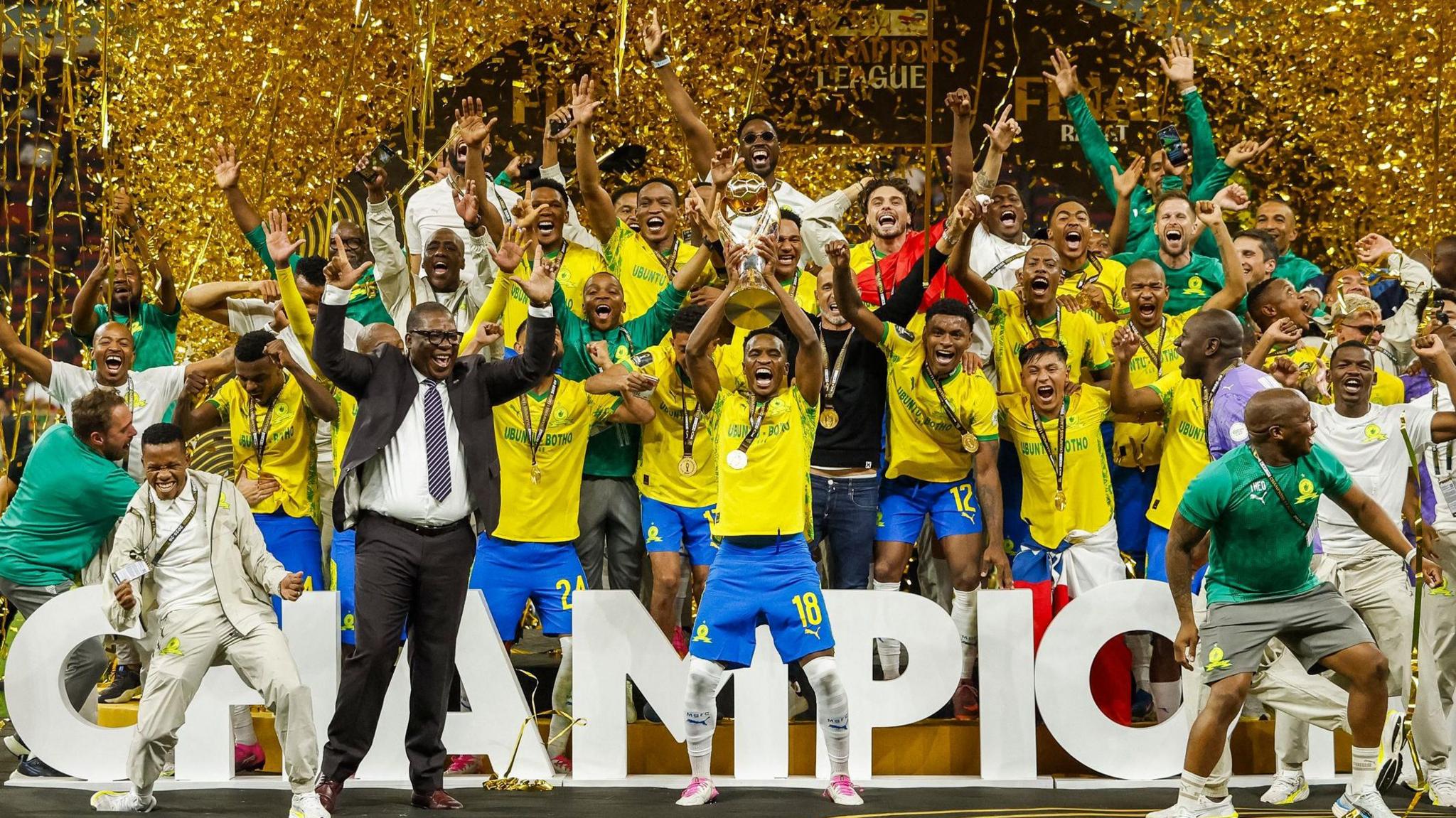
Mamelodi Sundowns F.C. team celebrating their victory in the 2026 CAF Champions League final.
Destroying one lie creates a new responsibility. Africa has now proved it belongs among football’s elite.
The next challenge is staying there. That requires solving problems that still exist.
Domestic leagues remain financially weaker than Europe. CAF Champions League prize money still cannot compete with European competitions.
Many talented youngsters leave before helping transform local leagues. Infrastructure remains inconsistent across the continent.
Investment is improving but not fast enough. World Cup success should never become the destination. It should become the foundation.
Imagine an Africa where clubs consistently retain their best players until age 23 or 24.
And also imagine domestic leagues attracting global audiences.
Imagine CAF competitions becoming commercially powerful enough to compete internationally.
Imagine African coaches leading elite clubs across Europe. That future is no longer impossible. World Cup 2026 made sure of that.
The Morocco Blueprint Everyone Is Trying to Copy
If one country symbolises African football’s future, it is Morocco. Their success did not begin in Qatar. It did not begin in North America.
It began years earlier through planning. The Mohammed VI Football Academy became one of the continent’s greatest talent factories.
Modern training centres were built. Youth coaches received better education. Domestic clubs invested in player development instead of simply hoping gifted youngsters would emerge naturally.
The result?
Two consecutive World Cup quarter-finals. Players developed through a clear national philosophy. A federation respected around the world.
Now other African nations are paying attention. Senegal. Egypt. South Africa. Ivory Coast. Nigeria.
Each understands that talent alone is no longer enough.
Infrastructure wins tournaments. Planning wins tournaments. Identity wins tournaments. World Cup 2026 proved that.
The Future Belongs to Africa If Africa Chooses It
Perhaps the greatest victory of World Cup 2026 was psychological.
African teams no longer entered matches hoping to compete. They entered expecting to win. That difference changes everything.
Young footballers growing up across Lagos, Casablanca, Dakar, Cairo, Abidjan and Kinshasa watched African nations stand toe-to-toe with football’s traditional powers.
They no longer see Europe as untouchable. They no longer believe the World Cup is reserved for others.
The next generation will grow up believing they belong. Confidence is difficult to measure. But history shows it changes nations.
Spain’s golden generation believed they could dominate world football. France’s generation after 1998 believed the same.
Now Africa has reached that point. The continent is no longer chasing history. It is creating it.
Verdict: Nobody Can Repeat That Lie Again
The biggest lie about African football survived because it was rarely challenged with overwhelming evidence.
Now the evidence is impossible to ignore.
Ten African nations qualified. Nine reached the knockout stage. Historic victories, historic performances and historic tactical displays.
Morocco confirmed they belong among football’s elite. Egypt challenged Argentina without fear.
Cape Verde inspired the world. DR Congo returned after 52 years looking like they had never left.
Europe’s biggest clubs immediately rushed to sign African talent. The old stereotype has nowhere left to hide.
African football is no longer defined by physical strength alone. It is defined by intelligence.
Organisation.Adaptability. Belief. And perhaps most importantly, confidence.
The rest of the football world spent decades telling Africa what it supposedly could not do. World Cup 2026 answered every criticism. Not with arguments, not with excuses, not with promises.
With performances. The biggest lie about African football is finally dead.
The only question now is whether the rest of the football world is ready to admit it.