World Cup 2026
Tunisia Sacked Their Manager Mid-World Cup Then Lost 4-0 To Japan And Got Eliminated
Tunisia’s World Cup lasted less than two weeks before the panic set in.
A humiliating 5-1 defeat against Sweden in their opening match triggered one of the most dramatic decisions of the tournament.
The Tunisian Football Federation responded by dismissing their manager during the World Cup itself a move rarely seen in modern international football.
Days later, with Hervé Renard brought in to rescue the campaign, Tunisia suffered another crushing defeat.
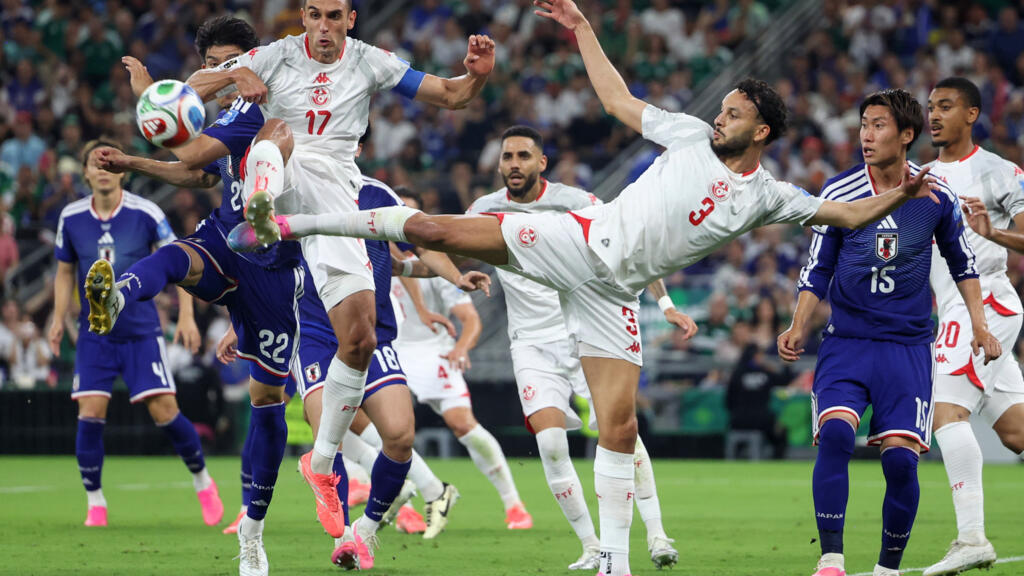
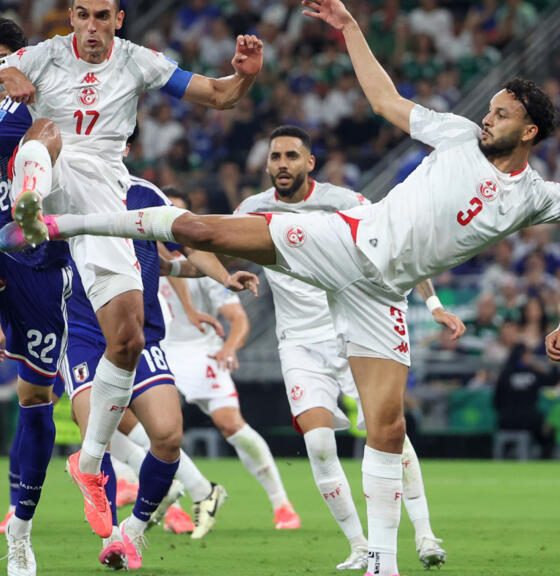
Japan swept aside the North Africans 4-0 in Monterrey, condemning Tunisia to elimination with a game still left to play and leaving serious questions about the direction of Tunisian football.
For African supporters watching across the continent and in the diaspora, it was a familiar story of crisis management replacing long-term planning.
The Sacking That Shocked African Football
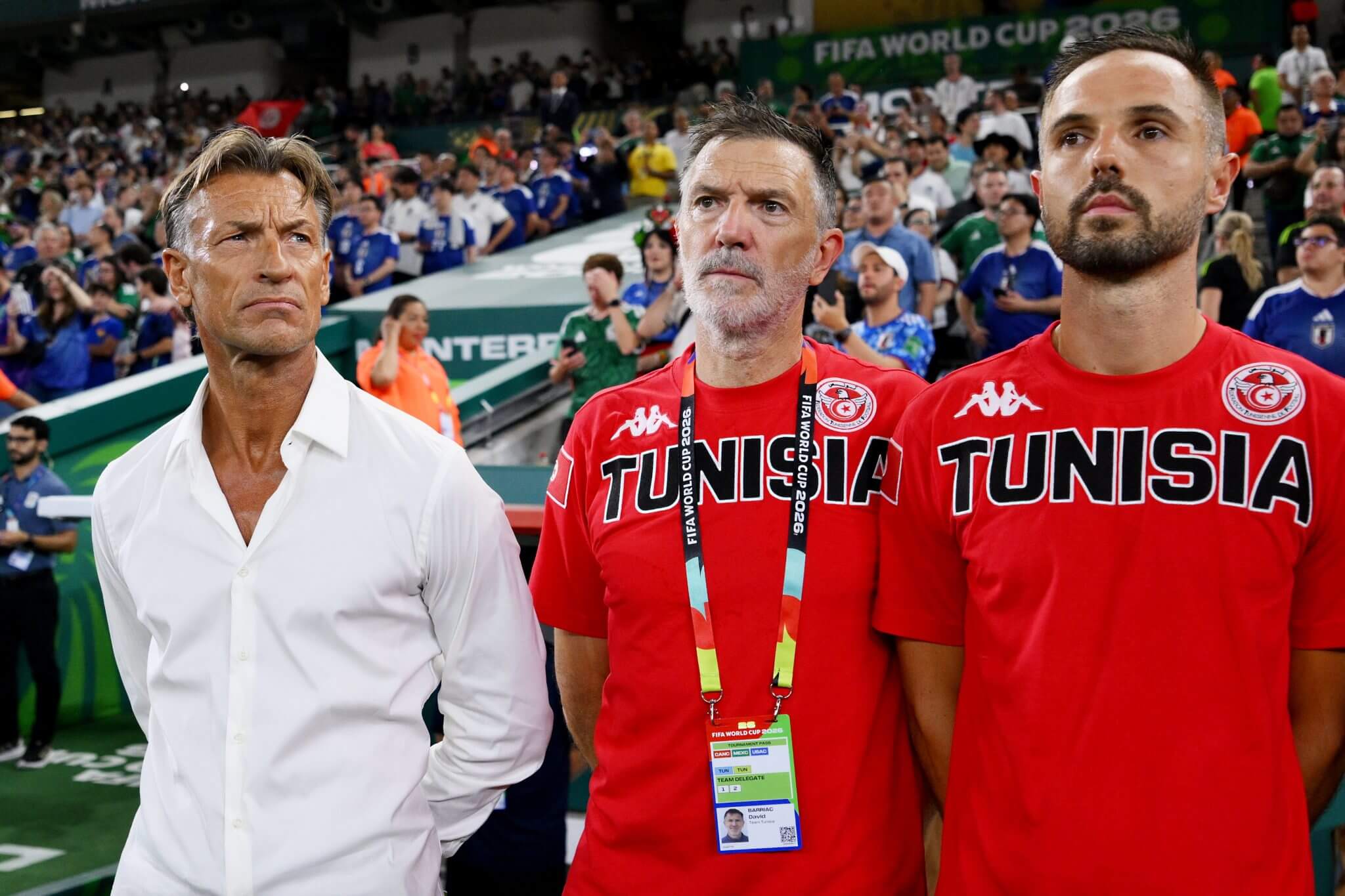
Hervé Renard is overseeing a match as coach of the Tunisia national football team during the 2026 FIFA World Cup.
Managerial changes during a World Cup are almost unheard of. International tournaments are too short for a new coach to make meaningful tactical adjustments.
Players have already spent months preparing under one system. And changing direction midway through a competition usually creates more confusion than solutions.
Yet Tunisia decided drastic action was necessary after their opening defeat to Sweden.
The federation’s decision was driven by panic rather than patience. A 5-1 loss is difficult to defend, but history offers very few examples of teams improving immediately after dismissing a coach during a major tournament.
Instead of solving the underlying issues, Tunisia entered their second match carrying even more uncertainty.
Supporters hoped that the arrival of Renard one of Africa’s most respected coaches would spark an immediate revival. Reality proved far harsher.
Japan vs Tunisia: Renard’s Impossible Task
If there is one coach capable of handling pressure, it is Hervé Renard.
The Frenchman has built a reputation as one of African football’s great tournament specialists. His success across the continent has earned him enormous respect and made him the obvious emergency choice.
But even the best coaches need time.
Renard inherited a squad low on confidence after conceding five goals against Sweden. He had only a handful of training sessions to learn the group, establish relationships, communicate tactical ideas and prepare for one of Asia’s strongest teams.
It was an almost impossible assignment.
The match was barely four minutes when Japan exposed Tunisia’s vulnerability once again.
Daichi Kamada, fresh from rescuing Japan against the Netherlands, arrived inside the penalty area to score and immediately put Tunisia on the back foot.
From that moment, the game felt less like a contest and more like damage limitation.
Japan vs Tunisia: How Japan Dismantled Tunisia
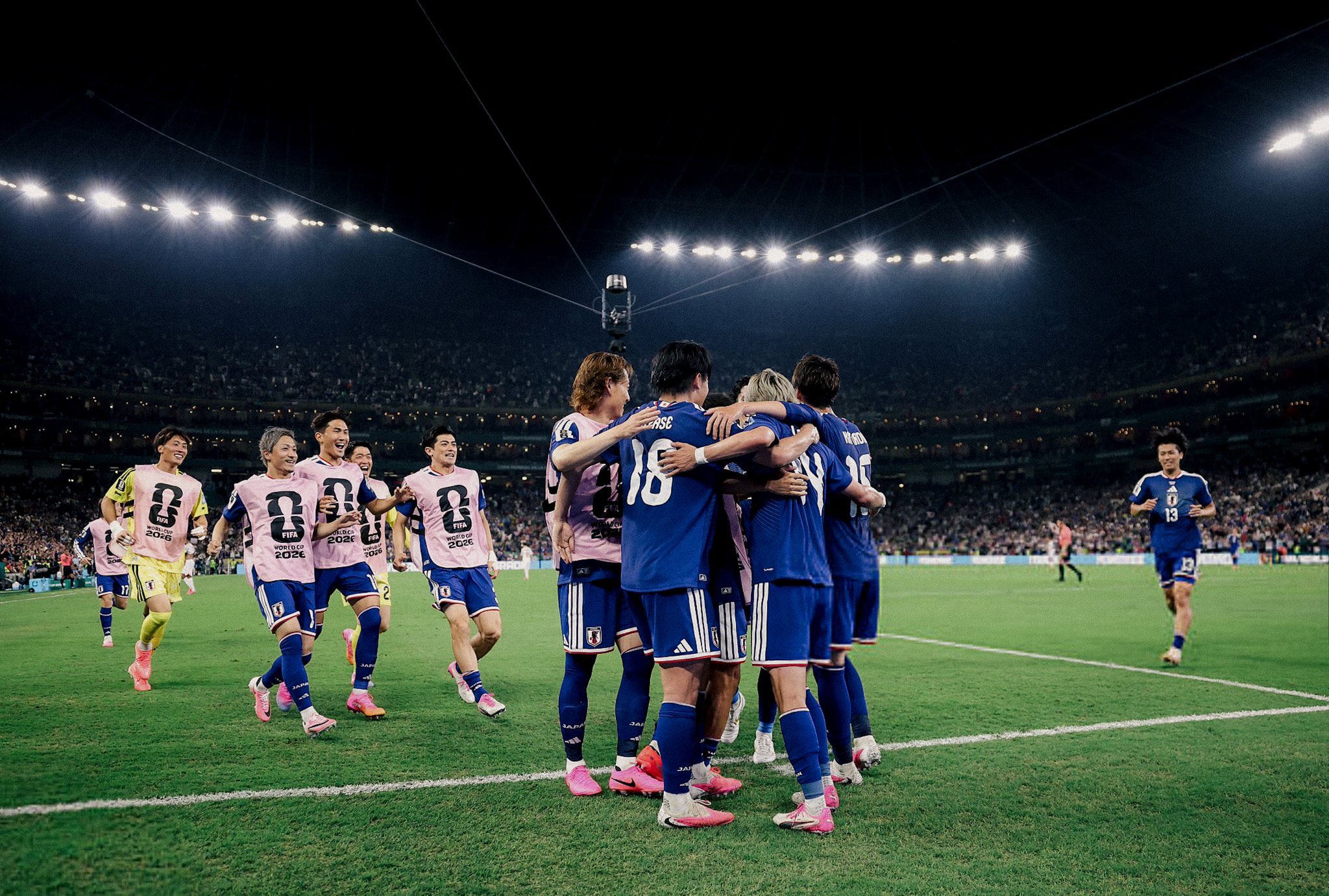
The Japanese won the 1000th match in World Cup history.
Japan entered the match knowing victory would put them in a commanding position to qualify from Group F.
They played like a team fully aware of the opportunity.
Kamada’s early strike settled any nerves and gave the Samurai Blue complete control.
Tunisia had arrived at the tournament with one of the strongest defensive records in African qualifying, conceding only once across ten matches. Yet the quality and speed of Japan’s movement repeatedly exposed them.
The second goal highlighted the difference between the teams.
Ayase Ueda was given far too much room as Tunisia retreated deeper and deeper. The Feyenoord striker drove forward before firing through the legs of Montassar Talbi and into the far corner.
It was a finish full of confidence and precision.
Japan then tightened their grip on possession, controlling the tempo and refusing to allow Tunisia any route back into the contest.
Just before the hydration break, Kamada produced another moment of quality. His intelligent first-time pass sliced through Tunisia’s defensive structure and sent Junya Ito racing clear.
The winger kept his composure and calmly slotted beyond Aymen Dahmen.
At 3-0, the contest was effectively over.
The fourth goal summed up Tunisia’s evening.
A careless turnover in midfield allowed Japan to transition instantly from defence to attack. Ueda finished the move with a superb looping header to complete his brace and underline Japan’s superiority.
The final whistle confirmed a devastating 4-0 defeat.
Japan vs Tunisia: Kamada’s International Magic Continues
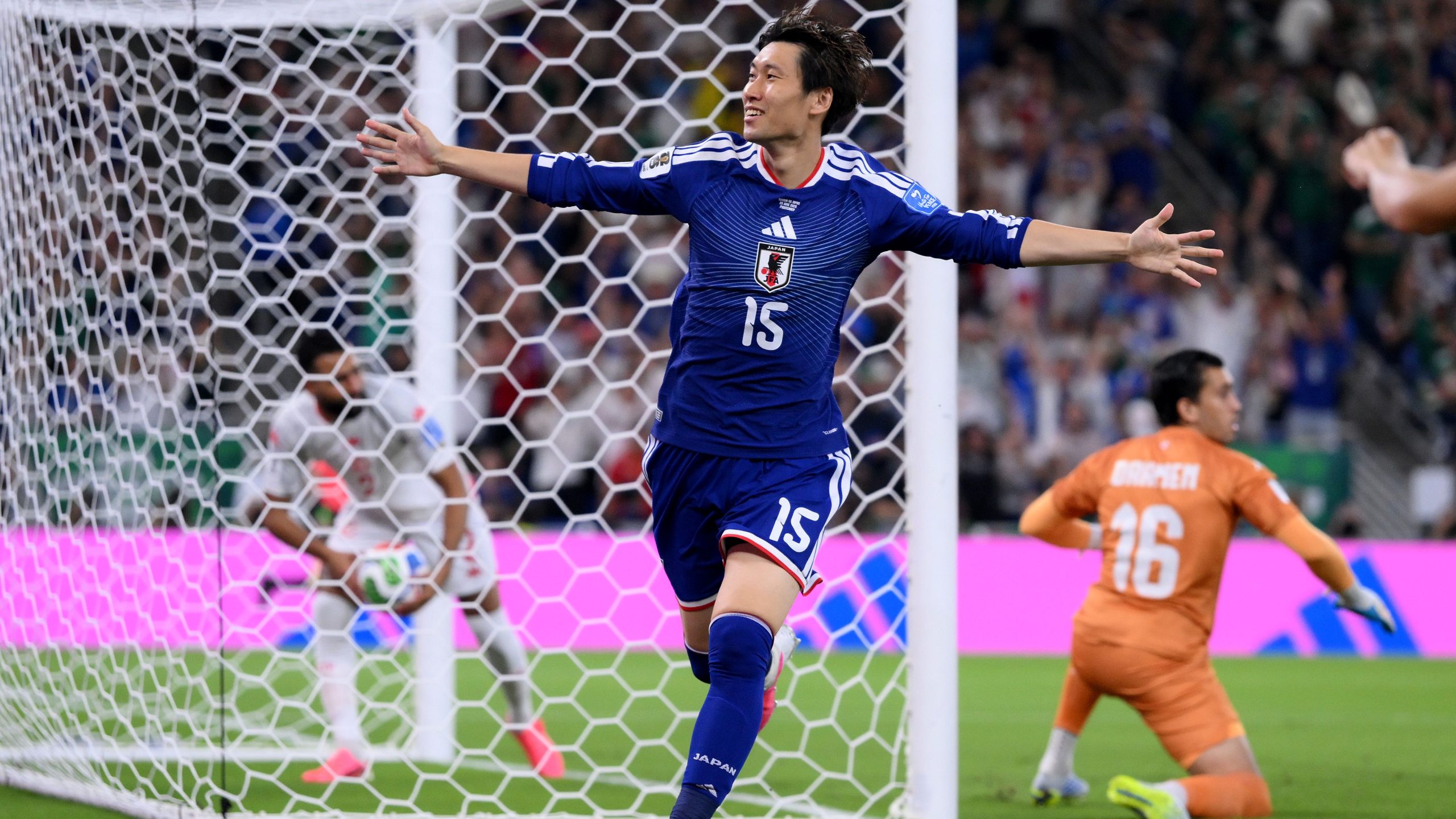
Daichi Kamada is celebrating after scoring a goal for Japan against Tunisia during the 2026 FIFA World Cup in Mexico.
Some players save their best football for the international stage.
Kamada appears to be one of them.
The Crystal Palace midfielder failed to score during the entire 2025-26 club season. Yet he has suddenly become one of Japan’s most influential performers at the World Cup.
After scoring a dramatic late equaliser against the Netherlands, he followed it up with a goal and an assist against Tunisia.
His opener entered Japanese football history as the fastest goal ever scored by a Japanese player at a World Cup.
The finish may have contained a touch of fortune, but Kamada’s movement and anticipation created the opportunity.
His assist for Ito’s goal was even more impressive.
The pass completely dismantled Tunisia’s defensive shape and demonstrated the confidence currently flowing through this Japanese side.
While Tunisia struggled to adapt to a new coach, Japan looked like a team operating from a long-established plan.
That difference was impossible to ignore.
Japan vs Tunisia: What This Means for Tunisian Football
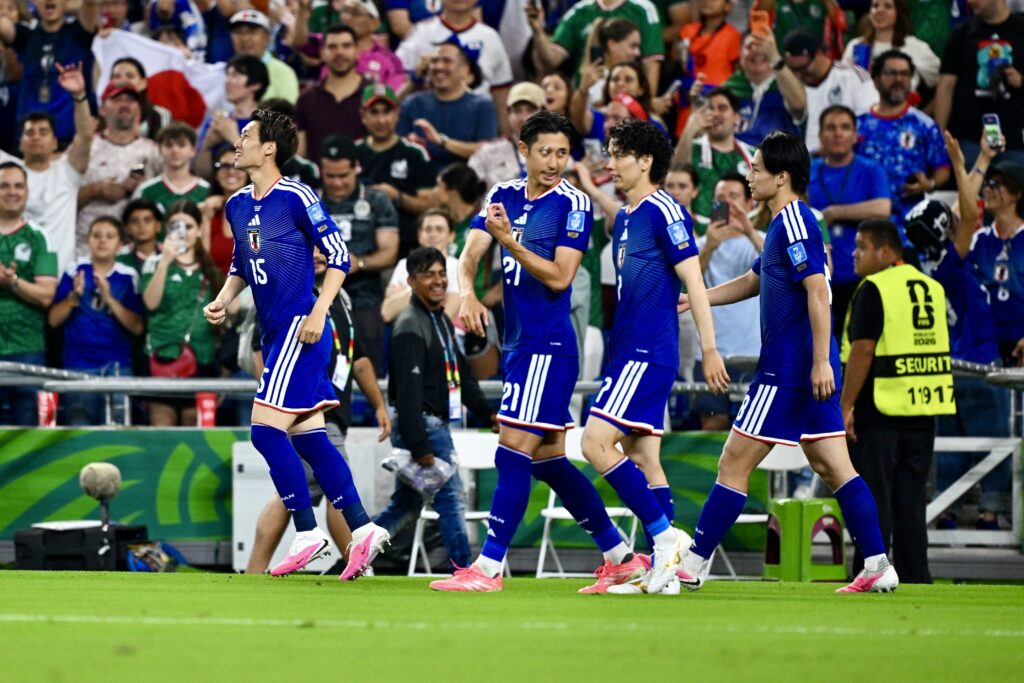
Japan’s national football team is celebrating a goal during their 4-0 victory over Tunisia in the 2026 FIFA World Cup.
This defeat goes beyond a single result.
Tunisia have now failed to progress beyond the group stage in six consecutive World Cup appearances.
The pattern is becoming increasingly concerning.
The country continues to produce talented footballers. Yet each tournament seems to end with the same questions about identity, planning and leadership.
The decision to sack a coach during the competition has only intensified those concerns.
African football has recently produced examples of what continuity can achieve.
Morocco’s remarkable World Cup run was built on a long-term project, trust in players and a clear footballing philosophy. Stability created success.
Tunisia chose a different path.
The federation responded emotionally to adversity instead of trusting a longer process.
The result was another early exit.
Renard may eventually improve the team if given sufficient time. But no coach could realistically transform a struggling side within a few days during the biggest tournament in football.
The deeper issues remain unresolved.
Japan vs Tunisia: What Happens Next?
Tunisia are officially eliminated from the 2026 World Cup.
Their final group match will now be little more than an opportunity to restore some pride and give supporters something positive to remember.
Japan, meanwhile, have placed themselves in an excellent position.
Four points from two matches means the Samurai Blue need only avoid defeat against Sweden to virtually guarantee a place in the Round of 32.
A victory could even see them top Group F.
The Netherlands are also expected to progress, leaving Japan and the Dutch firmly in control of their own destinies.
For Tunisia, the focus shifts away from the World Cup and towards rebuilding. Again.
Japan vs Tunisia: Verdict
Tunisia arrived in North America believing this could finally be the tournament that ended their long-standing group-stage curse.
Instead, it became one of the most chaotic World Cup campaigns in recent African football history.
A 5-1 humiliation against Sweden triggered panic. The federation sacked its manager mid-tournament. Hervé Renard was handed an impossible rescue mission.
Then came a 4-0 defeat against Japan.
The managerial change did not solve Tunisia’s problems because those problems run much deeper than one coach.
African football has repeatedly shown that sustainable success comes from planning, patience and continuity.
Tunisia chose crisis management. The result was the same outcome they have experienced for decades: another group-stage exit.
Their World Cup is over. The hard questions are only beginning.