News
Lamine Yamal Racist Abuse World Cup 2026: Spain’s Hero Faced Hate At Home
The 2026 FIFA World Cup should have marked the happiest week of Lamine Yamal’s young life.
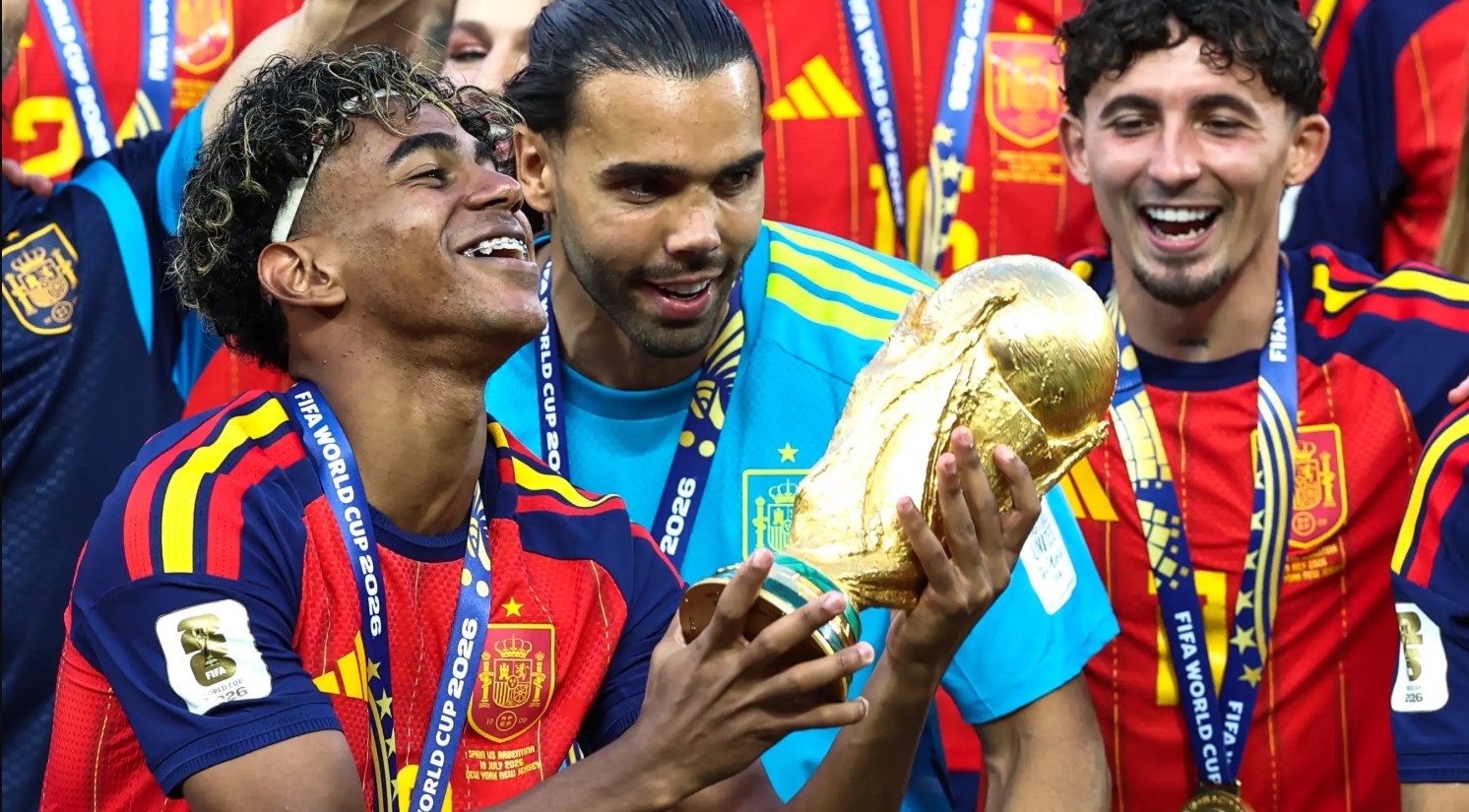
At just 19 years old, he stood on football’s biggest stage as Spain lifted the World Cup trophy after dismantling Argentina in one of the most dominant finals in modern history. He became one of the youngest world champions in history, further cementing his place as the face of a new generation of football.
Yet within days of returning home, the celebrations were overshadowed by something far uglier.
Instead of being welcomed as Spain’s newest national hero, Yamal found himself at the centre of racist abuse, Islamophobic insults and online attacks questioning whether he was “really Spanish.”
It is a story that extends far beyond football. And it is about identity. It is about heritage.
And from an African perspective, it is about a young man whose Moroccan father and Equatorial Guinean mother helped shape one of the greatest footballers of his generation. Only for those same roots to become targets of abuse after he delivered football’s greatest prize to Spain.
While much of Europe celebrated Spain’s victory, many African fans watched something different unfold.
They saw another football superstar with African heritage forced to defend his identity simply because of where his family came from.
Fortunately, Africa also responded.
Not with hate. But with pride. And nobody represented that response better than Didier Drogba.
Lamine Yamal Racist: The Stadium Incident That Revealed a Deeper Problem
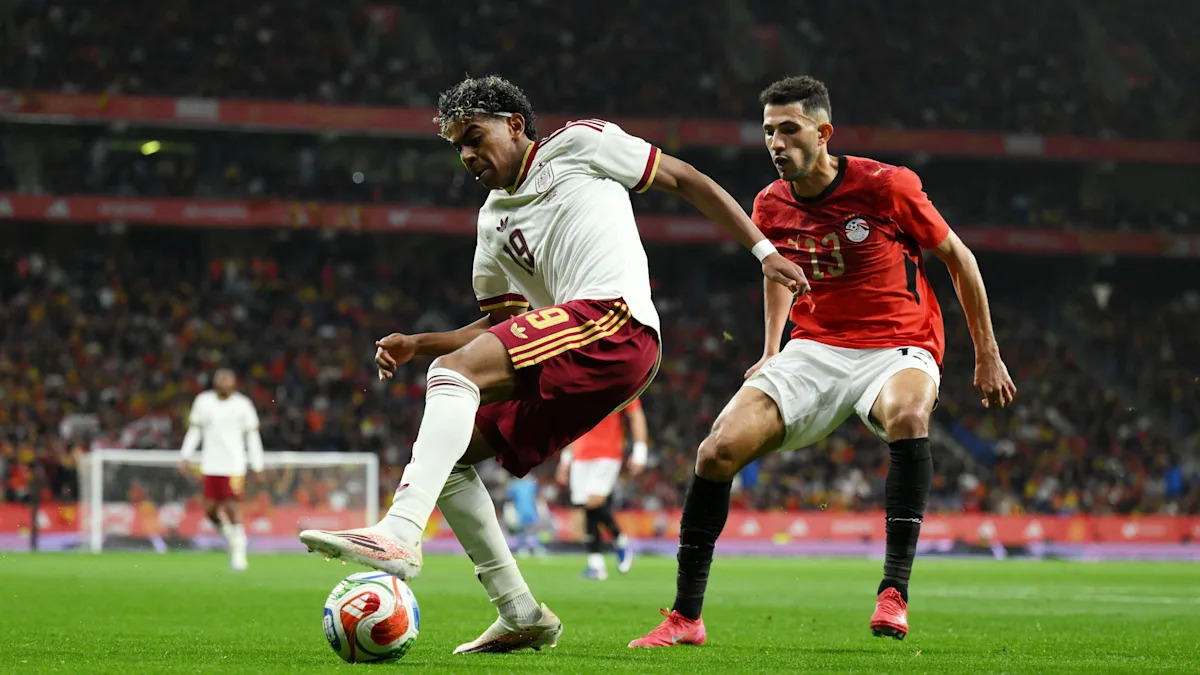
The abuse aimed at Lamine Yamal did not suddenly appear after Spain became world champions.
The warning signs had already been visible months before the tournament began.
During Spain’s international friendly against Egypt in Barcelona earlier this year, sections of supporters inside the RCDE Stadium repeatedly chanted.
”Whoever does not jump is a Muslim.”
Although the chants were primarily directed at Egyptian supporters, Lamine Yamal heard every word.
The Barcelona winger, whose father is Moroccan and whose family is Muslim, could easily have ignored the incident.
Instead, he chose to speak. His response quickly spread across social media and earned widespread praise for its maturity.
”Using religion as something to mock people in a football stadium leaves you as ignorant and racist people. Football is to enjoy and support, not to offend people by who they are or what they believe in.”
Those words did not sound like they came from a teenager.
They sounded like someone already carrying responsibilities few footballers ever experience.
Spain manager Luis de la Fuente immediately condemned the chants, insisting such behaviour had no place in football or wider society.
The Royal Spanish Football Federation displayed anti-discrimination messages around the stadium. While announcements urged supporters to stop.
Many fans inside the stadium even booed those responsible. But the incident exposed an uncomfortable truth.
Even before becoming the world’s biggest football star, Lamine Yamal had already become one of its biggest targets.
Lamine Yamal Racist: Didier Drogba’s Six Words That Meant Everything
When the World Cup ended, millions congratulated Spain. But one message stood above all the others.
It came from Africa. Former Ivory Coast captain and Chelsea legend Didier Drogba left a simple Instagram comment underneath Yamal’s post.
”Be proud of your culture and who you are ALWAYS Lamine Yamal.”
Just eleven words. Yet perhaps no message carried greater meaning.
Drogba understands this journey better than almost anyone.
For years he experienced racist abuse across Europe while becoming one of the greatest African footballers in history.
He knows what it feels like when brilliance on the pitch is overshadowed by prejudice off it. That is why his message resonated far beyond social media.
It became Africa speaking directly to one of its own.
Although Yamal represents Spain internationally, many African supporters have always felt a connection with him because of his family background.
His father is Moroccan; his mother is from Equatorial Guinea. His success is viewed across the continent as another example of African heritage influencing football at the highest level.
Drogba’s words reminded Yamal that he does not have to choose between being Spanish and embracing his African identity.
He can be both. And he should never apologise for either.
That message may ultimately become one of the defining images of this World Cup not a goal, not a trophy lift, but an African legend publicly standing beside the game’s newest superstar.
Nearly 41,000 Hate Messages in Just One Month
If the individual incidents were disturbing, the statistics paint an even darker picture.
According to Spain’s Observatory on Racism and Xenophobia (OBERAXE), more than 40,861 pieces of online hate speech were detected during June alone.
Football accounted for one of the largest sources of discriminatory content during the World Cup period. Among the players most frequently targeted was Lamine Yamal.
Many of the attacks focused not on his football ability but on his race, religion and family background.
Some questioned his nationality. Others mocked his Muslim heritage.
Many simply could not accept that one of Spain’s greatest footballers has African roots.
For African football fans, this pattern feels painfully familiar.
Samuel Eto’o experienced it. Didier Drogba experienced it. Patrick Vieira experienced it. Thierry Henry experienced it.
Now, a new generation is watching Lamine Yamal experience it too.
Despite all the progress football claims to have made against racism, the world’s biggest tournament once again demonstrated how quickly prejudice resurfaces when players of African heritage stand at the very top of the game.
What Yamal’s Story Means for African Football
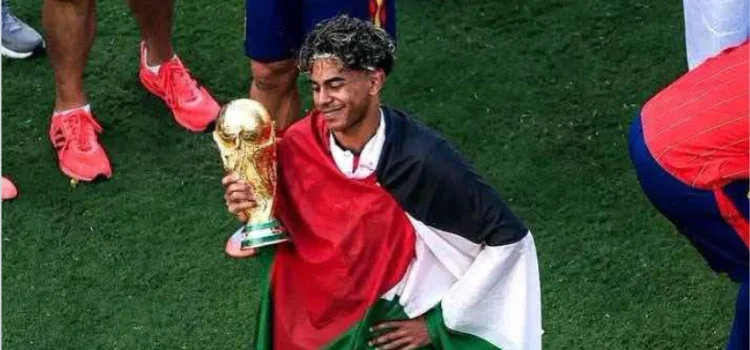
A digitally altered photograph of Spanish soccer player Lamine Yamal holding the FIFA World Cup trophy with a Palestinian flag draped over his shoulders.
For African football, Lamine Yamal’s story is bigger than Spain’s World Cup victory.
It forces the continent to confront an uncomfortable reality that stretches far beyond football. African heritage continues to enrich European football, yet many players with African roots still find themselves having to prove they belong.
Sportxparte has followed Yamal’s journey throughout this World Cup. We highlighted his Moroccan father, his Equatorial Guinean mother and the influence of his multicultural upbringing long before the final.
His success should have been celebrated as another example of African excellence shaping world football.
Instead, some chose to weaponise his heritage.
That should concern every African football supporter. Lamine Yamal is not the first.
Samuel Eto’o endured monkey chants across Spain and Italy.
Didier Drogba faced racist abuse throughout his Chelsea career despite becoming one of the Premier League’s greatest strikers.
Thierry Henry often had his French identity questioned because of his Caribbean roots.
Vinicius Junior continues fighting racism almost every season in La Liga.
Now Yamal joins that painful list before turning 20. The difference today is technology.
Previous generations experienced racism inside stadiums.
Lamine Yamal experiences it everywhere.
His phone, his social media, his family’s accounts.
Every goal, every interview, and every celebration becomes another opportunity for abuse from anonymous accounts around the world.
That is the new battlefield football must confront. Yet perhaps there is another lesson Africa can take from Yamal’s story.
African football has often celebrated players only after Europe has embraced them. Maybe it is time to celebrate our heritage first.
Whether a player represents Morocco, Spain, France, England or Belgium, African roots remain African roots.
When one succeeds, millions of young Africans watching from Lagos, Accra, Abidjan, Cairo, Johannesburg and Casablanca see themselves in that success.
That connection should never disappear because of the passport a player carries.
Yamal’s Response Shows Why He Is More Than a Footballer
One reason Yamal has earned so much admiration is the maturity with which he has handled these attacks.
He has never responded with anger. He has never attempted to divide people.
Instead, he continues to answer with dignity.
His statement following the anti-Muslim chants demonstrated remarkable wisdom for someone still in his teenage years.
Rather than insulting those responsible, he reminded everyone what football should represent. Respect. Unity. Enjoyment.
His performances during the World Cup carried that same message.
While critics questioned his identity, he simply kept creating chances, beating defenders and helping Spain lift football’s biggest trophy.
That may ultimately become his greatest response. Not arguments. Not social media battles. Just football.
Spain coach Luis de la Fuente has repeatedly praised Yamal’s maturity, describing him as a player who behaves well beyond his years.
Those qualities will matter just as much as his extraordinary talent over the next decade.
Because if the last few weeks have shown anything, it is that Yamal’s greatest challenges may not always come from defenders on the pitch.
Verdict: The World Cup Hero Who Should Never Have Had to Defend His Identity
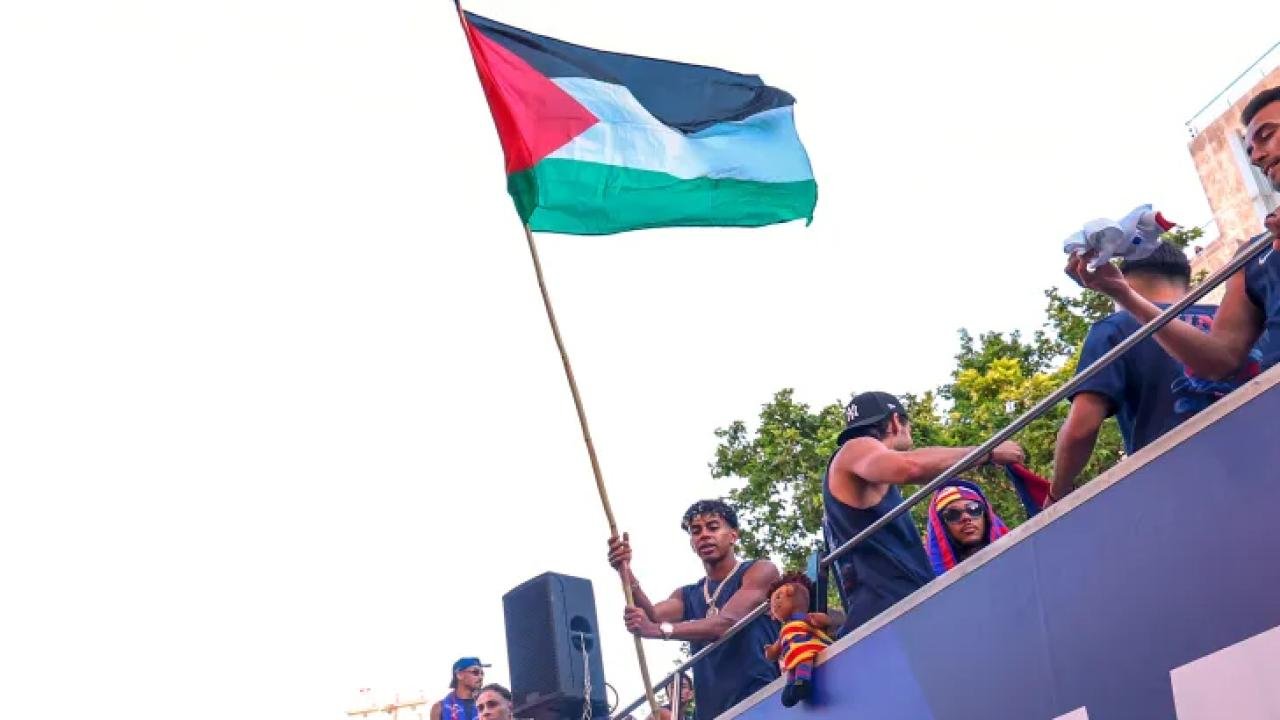
FC Barcelona player Lamine Yamal waving a Palestinian flag during the club’s La Liga title parade in May 2026.
Lamine Yamal should have returned home as nothing more than a world champion.
Instead, he returned carrying another burden. A burden that many footballers of African heritage know all too well.
His father is Moroccan. His mother is from Equatorial Guinea. He was born in Spain.
Every one of those facts can exist together. None of them cancels the others.
The tragedy is that some people still refuse to accept that reality. Yet the response from across Africa tells a different story.
Didier Drogba’s message was not simply support for one player. It was a reminder that identity should never be something to hide.
It should be something to embrace. Football has the power to unite continents, cultures and religions.
Yamal’s World Cup performances reminded us of that. The abuse he received reminded us how much work remains.
If Spain’s greatest victory of the modern era has one lasting lesson, it is this.
A player’s heritage should never become a reason to question their belonging.
It should be another reason to celebrate their journey. Lamine Yamal is a World Cup winner. He is proudly Spanish. He is proudly African.
And no amount of online hatred can change either truth.