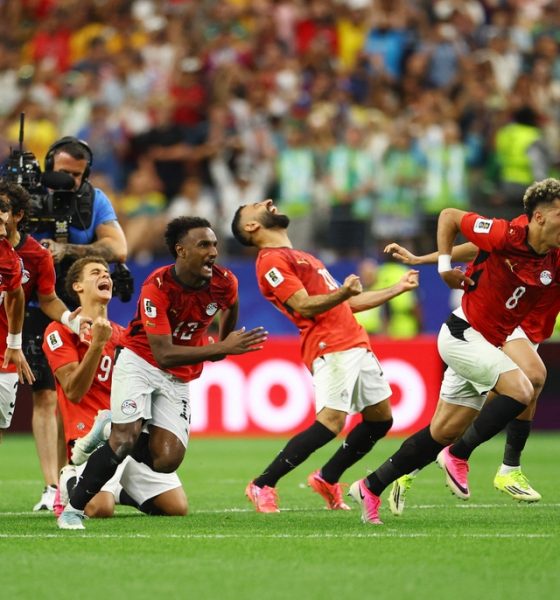
World Cup 2026
Africa’s World Cup 2026 Report Card: Good Enough, But Not Good Enough
Ask ten different people whether this has been a good World Cup for Africa, and you’ll get ten different answers. That’s not indecision it’s because both things are true at once.
Nine of Africa’s ten representatives made it out of the group stage. Only two reached the last 16. Somewhere between those two numbers is the real story of this tournament.
Critics questioned whether CAF deserved nine guaranteed World Cup places plus an extra playoff berth. If several teams crashed out early, those doubts would only grow louder.
Instead, African football answered its critics emphatically in the group stage.
Nine of the continent’s 10 representatives reached the knockout rounds an outstanding achievement that justified CAF’s long campaign for greater World Cup representation.
Yet, by the end of the Round of 32, only two African teams remained in the competition.
That contrast tells the real story of Africa’s tournament.
Africa Finally Proved It Belongs
For decades, CAF argued that five World Cup places were never enough for a continent with 54 member associations.
Only around nine percent of African nations could qualify under the old format. While South America regularly sends half of its member nations to football’s biggest tournament.
Critics countered that South America had earned that privilege through success, producing ten World Cup winners. Africa had never produced a semi-finalist until Morocco’s historic run in Qatar in 2022.
The expansion to 48 teams finally offered Africa a fairer opportunity.
With nine automatic qualification places and an additional playoff slot secured by DR Congo. The continent arrived in North America carrying enormous expectations but also significant pressure.
The biggest concern wasn’t simply qualification. It was a performance.
Had fewer than five African teams survived the group stage, critics would have argued that Africa had been awarded too many places too soon.
Instead, African football delivered one of its strongest collective group-stage performances ever.
Nine teams progressed. Only Tunisia failed. That alone represented a major statement.
Compared with other confederations, Africa emerged looking remarkably strong. Europe still led the way, while South America maintained its traditional quality. But Asia produced only Japan and Australia as knockout qualifiers, and CONCACAF relied entirely on its three host nations.
From that perspective alone, Africa’s World Cup 2026 performance deserves enormous credit.
Africa World Cup: Tunisia’s Collapse Stood Alone
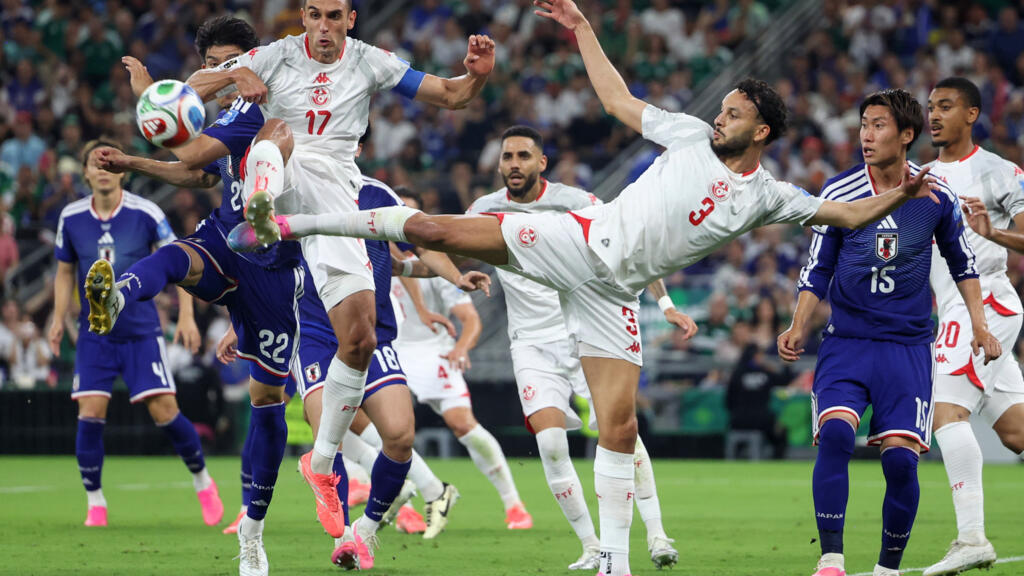
Japan won the match against Tunisia with a final score of 4–0.
Every successful tournament has one painful exception.
For Africa, that exception was Tunisia. The Carthage Eagles endured one of the worst World Cup campaigns in modern history.
Remarkably, they conceded inside the opening seven minutes of one match, four minutes of another, and just three minutes in their final fixture.
Those dreadful starts meant Tunisia spent an astonishing 256 minutes trailing during the tournament.
That broke Mexico’s 96-year-old World Cup record of 240 minutes spent behind.
It became one of the tournament’s most extraordinary and unwanted statistics.
Fortunately for CAF, Tunisia proved to be the exception rather than the rule.
The remaining nine nations demonstrated that African football’s overall standard continues to improve.
Yet surviving the group stage was never the final objective. History still awaited.
Africa World Cup: The Next Barrier Was Always the Last 16
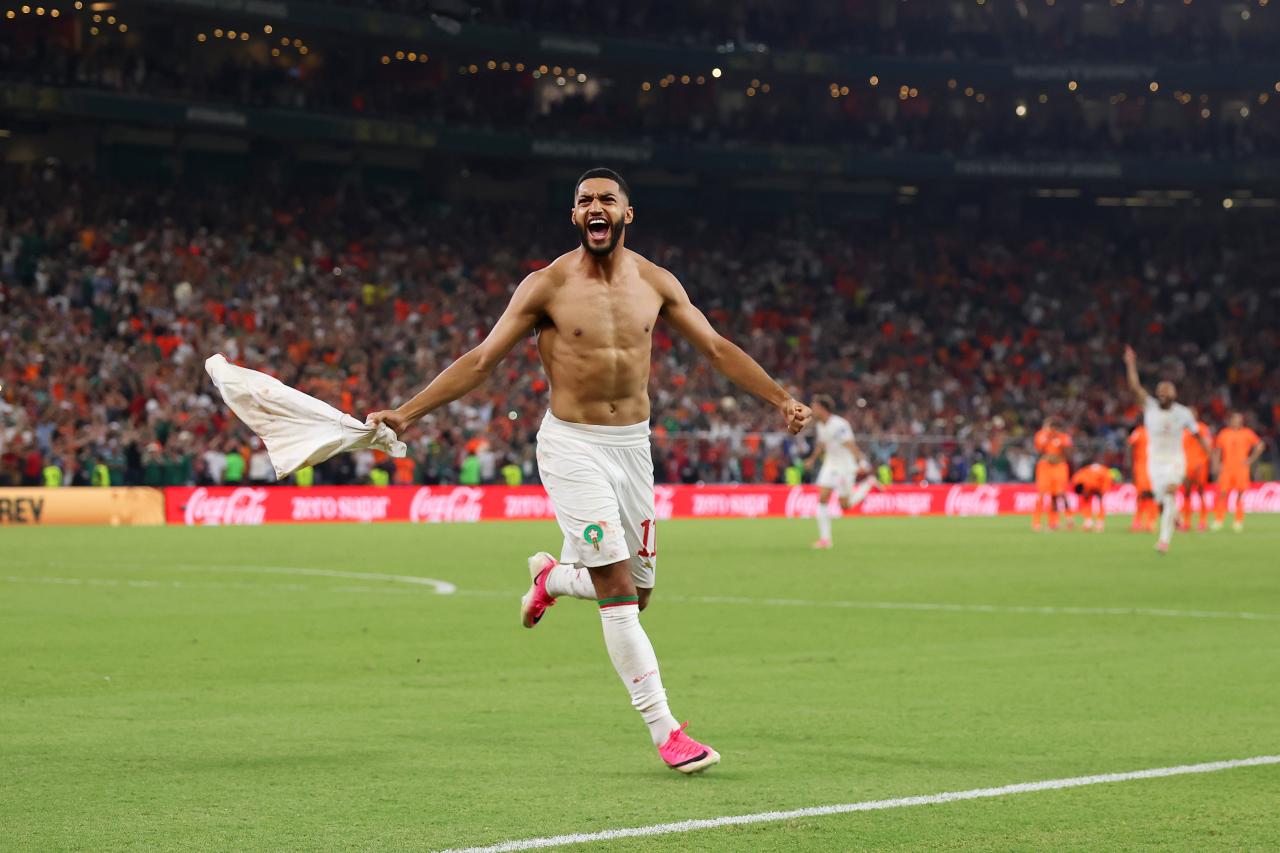
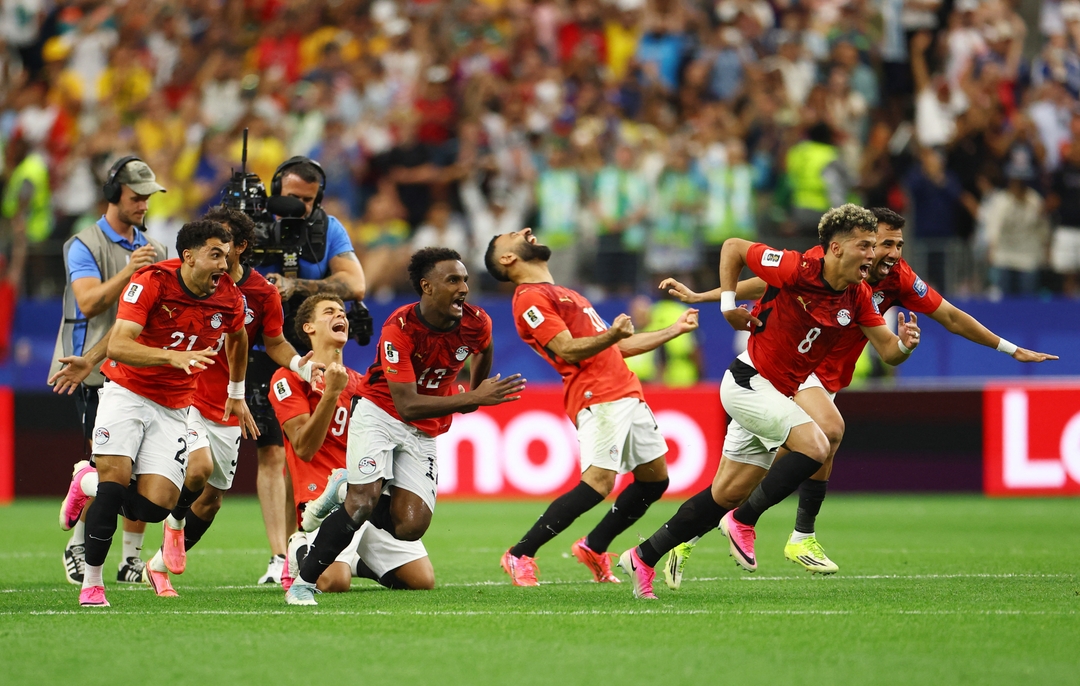
Moroccan midfielder Ismael Saibari celebrates after scoring the winning penalty against the Netherlands during the 2026 FIFA World Cup Round of 16.
Africa entered the knockout rounds chasing another milestone.
Never before had three African nations reached the last 16 in the same World Cup.
Morocco and Senegal achieved it in Qatar 2022. Algeria and Nigeria managed it in Brazil 2014.
This tournament offered the perfect opportunity to finally raise that number. It almost happened.
Instead, only two African teams advanced and both required penalty shootouts to get there.
Technically, that still represents progress compared to many previous tournaments.
Emotionally, though, it feels like a missed opportunity. The margins separating success and failure were painfully small.
Algeria eventually lost comfortably to Switzerland, although Ibrahim Maza again demonstrated why many consider him one of Africa’s brightest young talents.
However, the Desert Foxes continued a frustrating trend from the group stage by conceding avoidable goals at crucial moments.
Other exits proved even harder to accept.
South Africa never truly resembled the side that reached the Africa Cup of Nations semi-finals in 2024, eventually falling to an injury-time winner against Canada after another passive display.
Ghana found themselves behind against Colombia but struggled desperately to respond, exposing one of the weaknesses often associated with Carlos Queiroz’s pragmatic style.
Cape Verde, meanwhile, produced one of African football’s most inspiring stories.
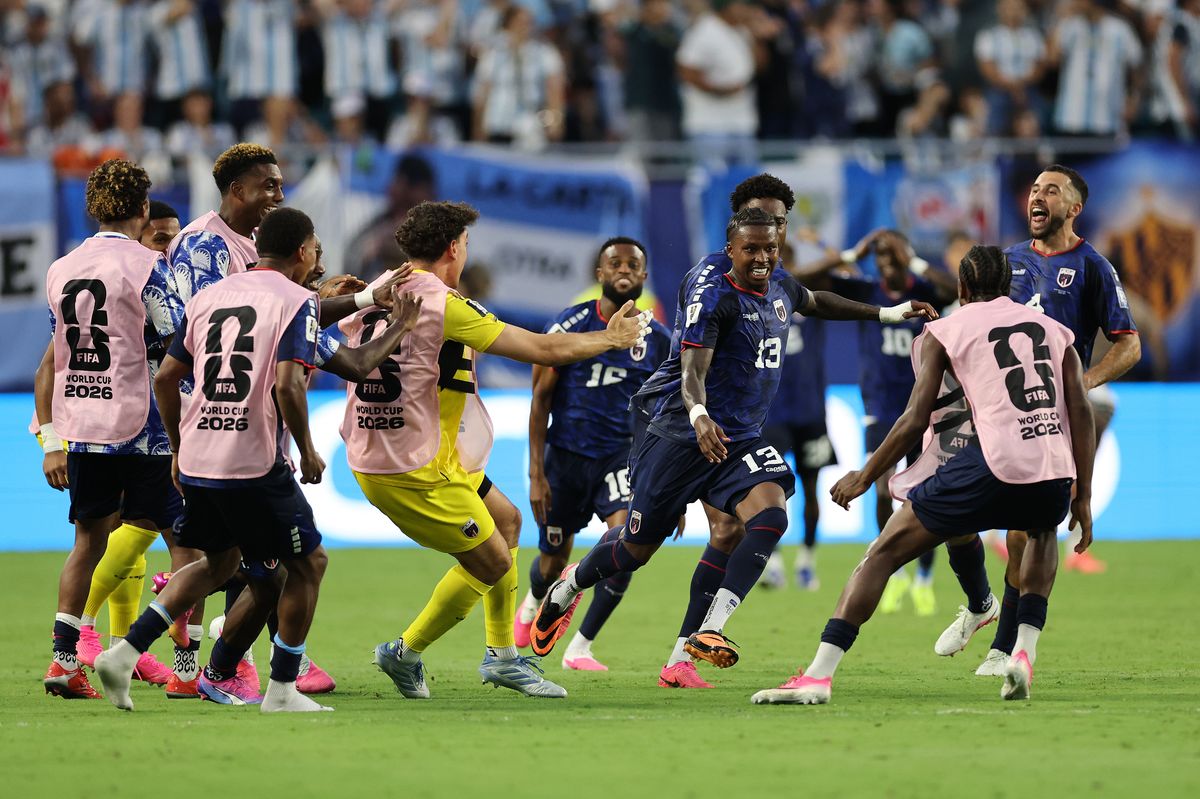
Cape Verde football players in dark blue uniforms are celebrating Sidny Lopes Cabral’s extra-time goal against Argentina at Miami Stadium during the 2026 FIFA World Cup Round of 32.
Simply qualifying for the World Cup was historic. Escaping the group stage exceeded every expectation.
Taking Argentina to extra time while twice fighting back showed enormous courage and further enhanced an already unforgettable tournament.
For several other nations, however, the disappointment ran far deeper.
The Story of Africa’s Knockout Stage Was One of Missed Opportunities
The biggest frustration for African football was not that teams were being outclassed.
It was that they repeatedly put themselves in winning positions against some of the world’s biggest footballing nations, only to let those opportunities slip away.
No team will feel that pain more deeply than Senegal.
The Lions of Teranga appeared to have one foot in the Round of 16 after racing into a 2-0 lead against Belgium with only minutes remaining. They had controlled large periods of the contest and looked set to produce one of Africa’s greatest knockout victories.
Instead, Belgium mounted a remarkable comeback, forcing extra time before a controversial VAR-awarded penalty allowed the Europeans to snatch victory in the 125th minute.
It was a heartbreaking reminder that knockout football punishes even the smallest lapse in concentration.
Côte d’Ivoire experienced similar heartbreak.
After battling back to equalise against Norway, momentum seemed firmly with the Elephants. Yet despite looking the more dangerous side, they failed to capitalise and eventually exited the tournament.
DR Congo’s elimination carried another familiar theme.
The Leopards had stunned England by taking the lead and looked capable of producing one of the biggest shocks in World Cup history.
However, as the match wore on, fatigue became increasingly evident, allowing England to dominate the closing stages and eventually overturn the deficit.
Even before the knockout rounds, the warning signs had been there.
Côte d’Ivoire led Germany. Morocco led Brazil.
Senegal matched France for long periods. None managed to convert those promising positions into victories.
That recurring pattern became one of the defining stories of Africa’s World Cup.
Africa World Cup: Why African Teams Are Still Falling Short
The question now shifts from what happened to why it happened.
It is unlikely to be one universal explanation.
Each team’s circumstances differed. For some, experience appeared to be the missing ingredient.
Belgium manager Rudi Garcia suggested after eliminating Senegal that African teams are increasingly capable of matching elite nations technically and physically. But often lack the experience required to manage decisive moments against traditional football powers.
Others simply lacked squad depth.
As matches stretched beyond 90 minutes, stronger benches often made the difference.
DR Congo, for example, was visibly tired against England. While several other African teams struggled to maintain their intensity deep into matches.
Psychology may also have played a role.
Leading against nations such as Belgium, England, Brazil or Germany brings a different type of pressure.
Rather than chasing the game, African teams suddenly found themselves protecting historic results.
Managing those emotions is something the world’s elite nations have developed over decades of competing deep into major tournaments.
That experience cannot be built overnight. Still, there are encouraging signs.
Unlike previous generations, African teams are no longer simply hoping to compete.
They are dictating matches, creating chances, and forcing Europe’s elite into uncomfortable situations.
The next challenge is learning how to finish the job.
Verdict: Progress Is Real, But Africa Must Now Take the Final Step
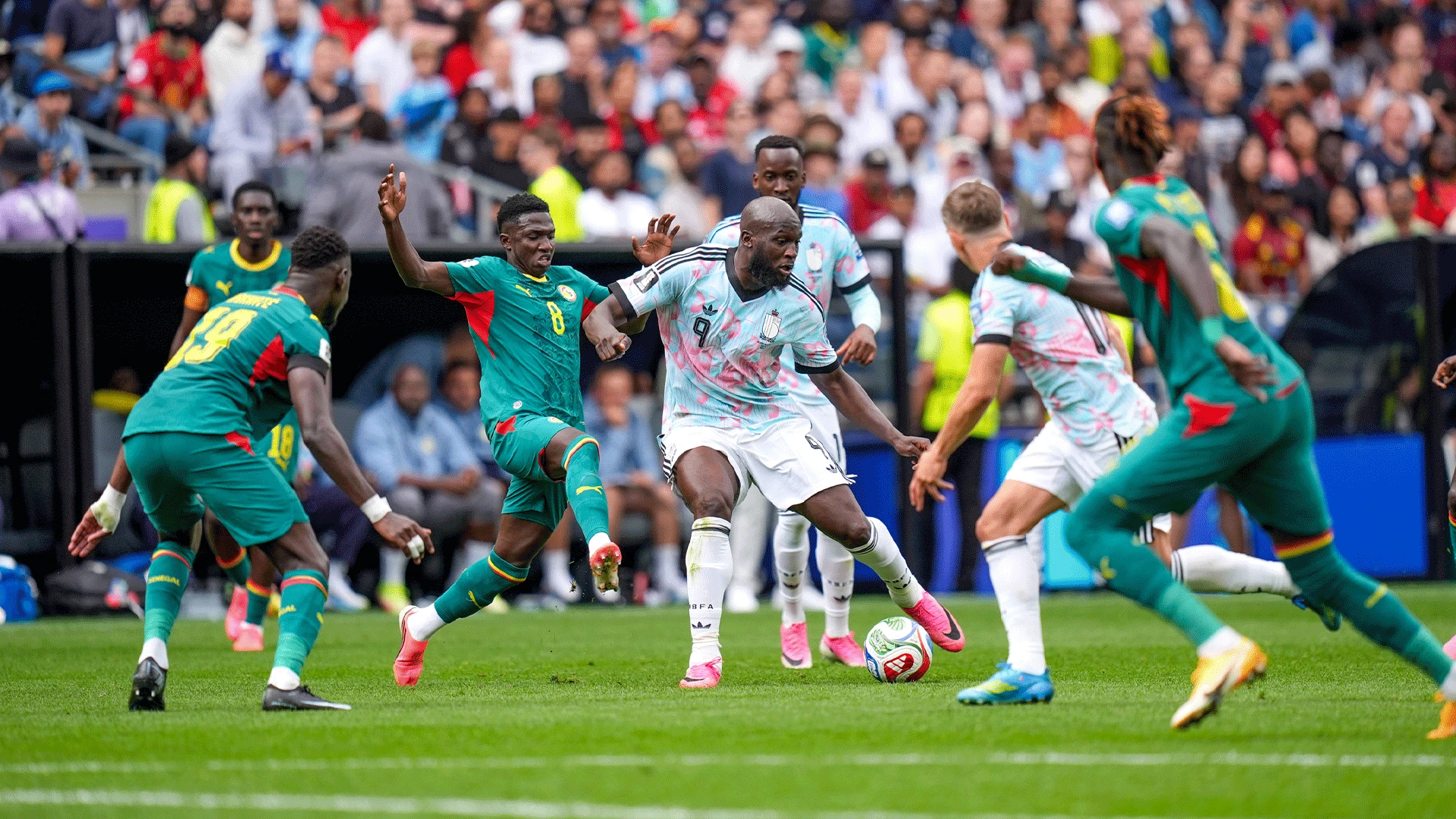
Belgian striker Romelu Lukaku is fighting for possession against Senegal defenders during their highly dramatic match in the Round of 32 at the 2026 FIFA World Cup.
So, was this a successful World Cup for Africa?
The answer is yes but only to a point.
Nine of the continent’s ten representatives reaching the knockout rounds was a landmark achievement that justified CAF’s expanded World Cup allocation and demonstrated the growing depth of African football.
The continent proved beyond doubt that it deserves more places on football’s biggest stage.
Yet the knockout rounds also exposed the final hurdle that still separates Africa from consistently challenging for the biggest prizes.
Too many leads disappeared. Too many opportunities slipped away. And too many matches finished with African players wondering what might have been.
The encouraging news is that these are problems of fine margins rather than vast quality gaps.
The pyramid of African football is becoming wider than ever before, with more nations capable of competing at the World Cup level.
And the next objective is to make that pyramid taller.
For Africa to produce regular quarter-finalists, semi-finalists, and perhaps even a future World Cup winner. Teams like Senegal, Côte d’Ivoire, Morocco, and DR Congo must learn to convert promising performances into historic victories.
That is the lesson of the World Cup 2026. Africa has proved it belongs.
Now it must prove it can finish the job.
The future remains bright. The talent is undeniable. The competitiveness is no longer in question.
The next chapter is about turning promise into history.