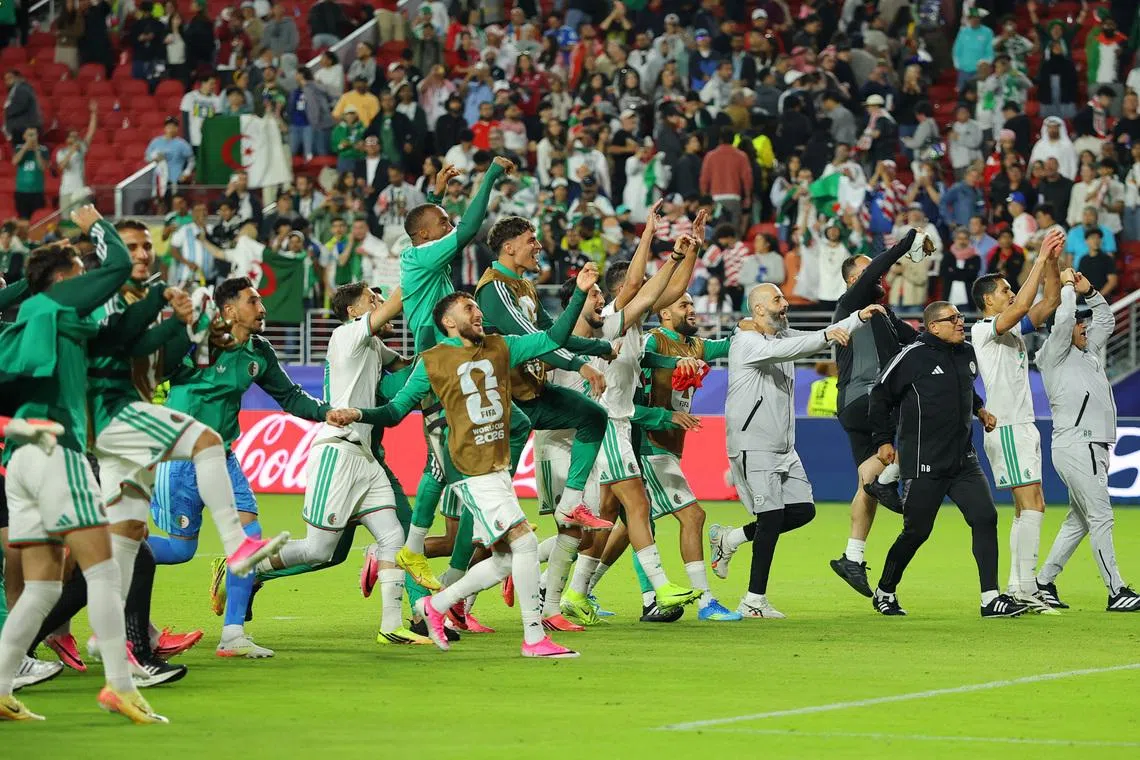
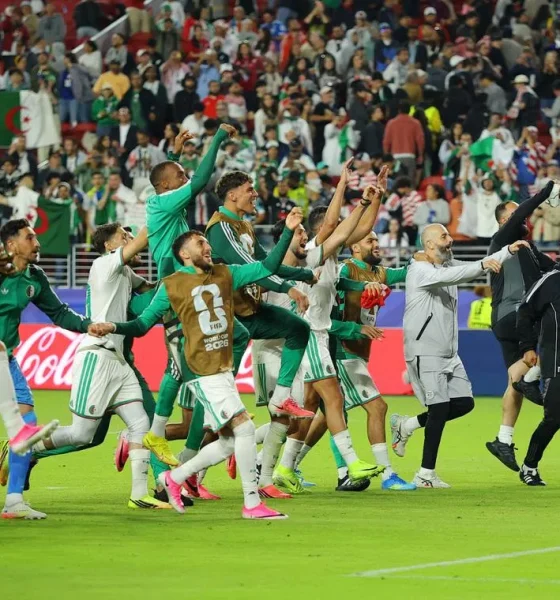
World Cup 2026
How Did Algeria Escape A World Cup Disaster Against Jordan?
Algeria’s 2026 World Cup campaign is alive.
Just days after being dismantled 3-0 by Argentina, the Desert Warriors came from behind to defeat Jordan 2-1 in California and keep their hopes of reaching the knockout stages intact.
But the scoreline only tells part of the story.
The deeper story is that Algeria won because Vladimir Petkovic finally did something he refused to do against Argentina.
He changed course. The Bosnia-born coach spent much of the aftermath of Algeria’s opening defeat defending his decisions.
Against Jordan, however, he was forced to confront an uncomfortable reality: his original plan was not working.
By half-time, Algeria were heading towards one of the most embarrassing defeats in their World Cup history.
Then Petkovic intervened. His substitutions changed everything.
Algeria Were Dominating Possession Against Jordan But Going Nowhere
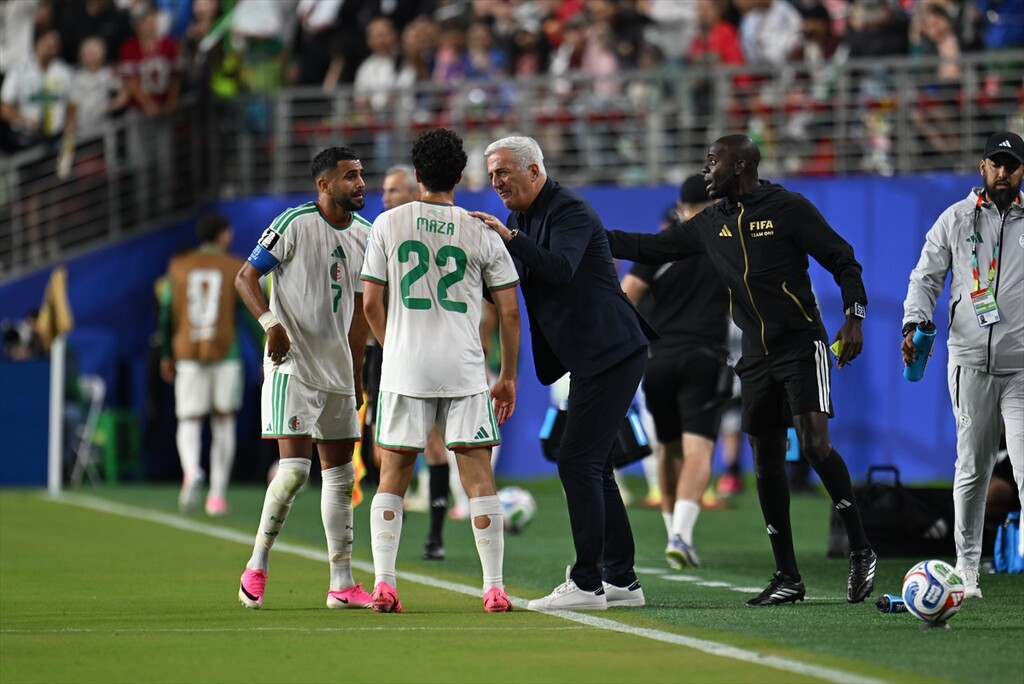
Algerian national football team manager Vladimir Petković interacting with players Riyad Mahrez (left) and Ibrahim Maza (number 22) during a substitution.
On paper, Algeria looked comfortable during the opening period.
They controlled possession. They spent long spells inside Jordan’s half. Riyad Mahrez was seeing plenty of the ball. Amine Gouiri was finding dangerous pockets of space.
Yet something was missing. Purpose.
Jordan never appeared overwhelmed despite Algeria’s territorial dominance. Instead, they looked organised, disciplined and happy to wait for mistakes.
Those mistakes arrived. Ramiz Zerrouki, selected ahead of Nabil Bentaleb in midfield, endured another difficult evening.
The midfielder repeatedly struggled under pressure and eventually surrendered possession in the centre of the pitch.
Jordan punished him. Nizar Al Rashdan capitalised on the turnover and finished clinically to give the underdogs an unlikely lead.
The goal exposed a recurring problem for Algeria throughout this tournament.
They have controlled matches without controlling outcomes.
Against Argentina, they enjoyed periods of possession but rarely threatened. Against Jordan, the same pattern emerged again until Petkovic acted.
Algeria vs Jordan: The Selection Mistakes Were Obvious
One of the biggest talking points before kick-off was Petkovic’s team selection.
The coach introduced Zerrouki into midfield and restored Mahrez to the starting lineup.
Neither decision initially delivered the desired effect.
Mahrez was lively but wasteful. He produced flashes of brilliance, including a sublime first touch inside the area, but lacked the sharpness to convert promising opportunities.
Zerrouki’s struggles were more damaging. The midfielder never established control and his error directly contributed to Jordan’s opener.
Meanwhile, several players left on the bench appeared better suited to the challenge.
Supporters had already begun questioning Petkovic’s choices following the Argentina defeat. Those concerns only intensified as Jordan entered the interval with a 1-0 advantage.
For Algeria, another defeat would have effectively ended their World Cup.
Petkovic knew he had no choice.
Algeria vs Jordan: The Half-Time Changes That Saved Algeria
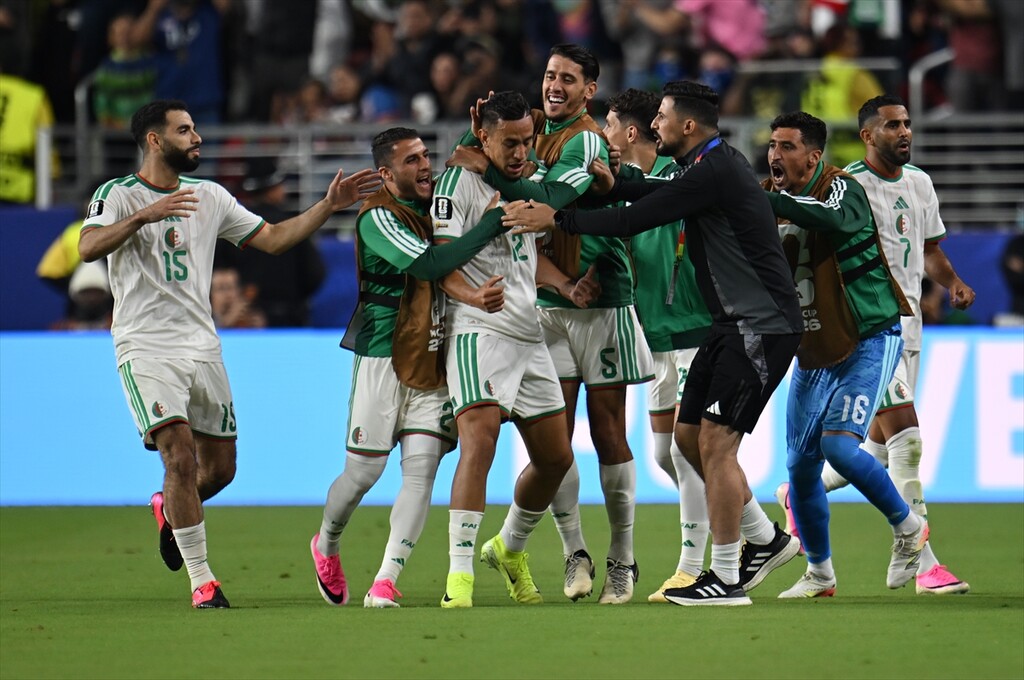
Algerian forward Nadhir Benbouali (center, wearing jersey number 12) celebrating with teammates after scoring a goal against Jordan.
Unlike the Argentina match, Petkovic did not wait.
At half-time, Zerrouki and Hicham Boudaoui were withdrawn. Nabil Bentaleb and Nadhir Benbouali entered.
It was a bold admission from the coach.
Managers rarely like acknowledging mistakes so publicly, especially on football’s biggest stage. Yet Petkovic recognised the urgency of the situation.
The changes transformed Algeria.
Bentaleb immediately brought greater composure to midfield. The former Tottenham Hotspur midfielder won significantly more ground duels than Zerrouki had managed and helped Algeria sustain pressure far higher up the pitch.
Benbouali offered a focal point Jordan had not previously faced.
The striker’s movement created uncertainty inside the Jordanian penalty area and eventually delivered the equaliser.
As Algeria’s possession climbed towards 70%, the momentum shifted completely.
Jordan began to tire. Algeria began to believe.
The Unsung Hero Was Ibrahim Maza
While Benbouali and Gouiri claimed the goals, Ibrahim Maza quietly produced one of his most influential performances in an Algeria shirt.
The midfielder became the creative heartbeat of the second-half resurgence.
Every meaningful Algerian attack seemed to flow through him.
Maza consistently found space between Jordan’s defensive lines, accelerated transitions, and linked midfield with attack.
His intelligence on the ball allowed Algeria to maintain pressure for extended periods, forcing Jordan deeper and deeper into their own half.
For a nation searching for the next generation of stars, Maza’s display may prove almost as important as the victory itself.
The future of Algerian football increasingly appears to revolve around players like him.
Benbouali and Hadj-Moussa Seized Their Opportunity
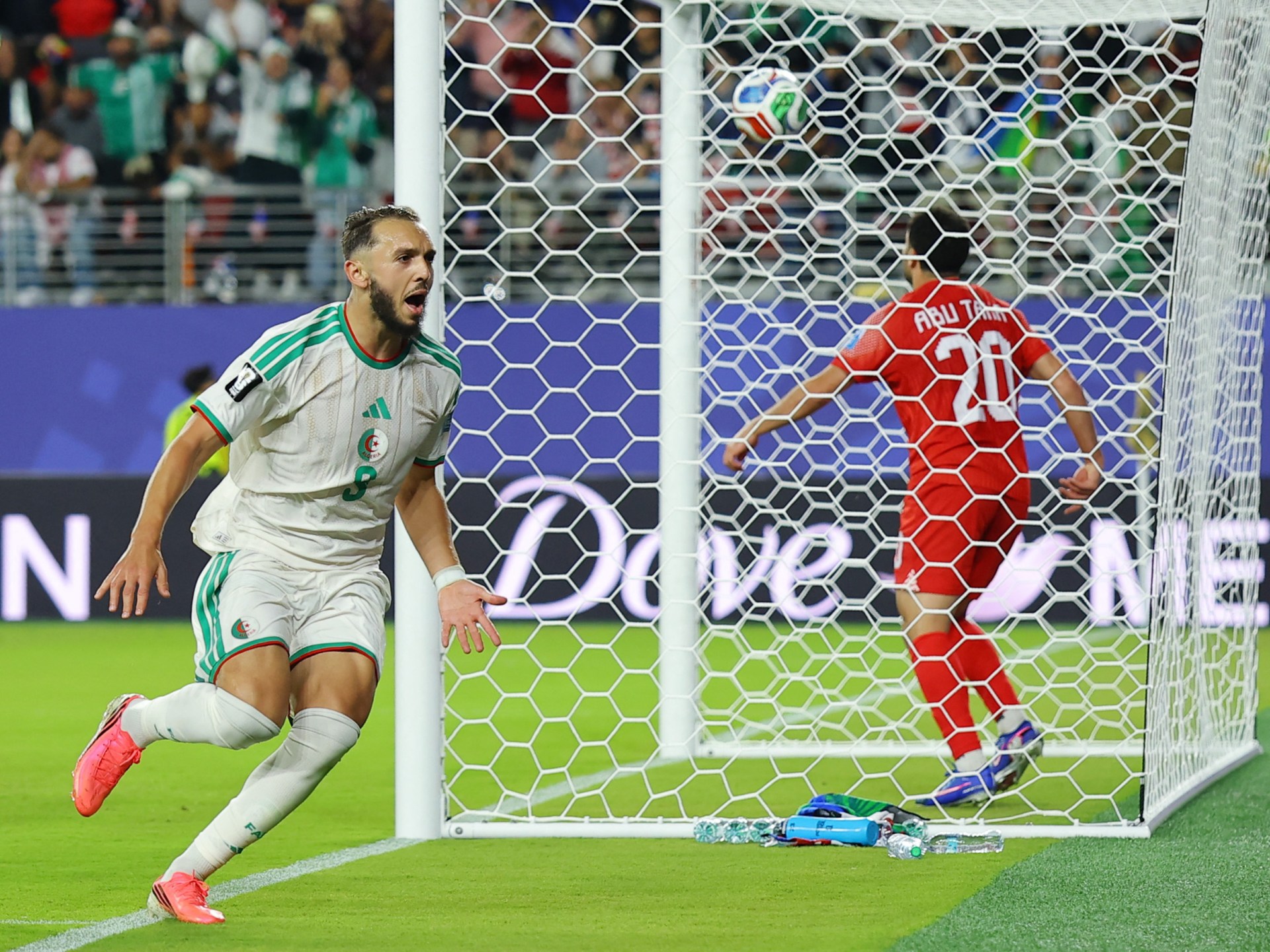
Algeria forward Amine Gouiri celebrates a goal against Jordan during the 2026 FIFA World Cup.
If Petkovic deserves credit for making changes, his substitutes deserve equal praise for delivering.
Benbouali’s equaliser was a classic striker’s finish.
Meeting Mahrez’s corner with authority, the Gyori ETO forward showed remarkable composure for a player who only received his first Algeria call-up earlier this year.
His goal changed the entire atmosphere of the match. Then came Anis Hadj-Moussa.
After struggling against Argentina, many expected his confidence to be damaged. Instead, he responded brilliantly from the bench.
His direct running caused constant problems for Jordan’s defence.
The winger won the corner that eventually produced Algeria’s winner and reminded supporters why so many view him as one of the country’s most exciting attacking talents.
From the resulting set piece, Amine Gouiri reacted quickest to turn the ball home.
VAR briefly delayed celebrations. But Algeria’s comeback was complete.
Austria Awaits in a Winner-Takes-All Showdown
The victory keeps Algeria alive, but the job remains unfinished.
Austria now stand between the Desert Warriors and the knockout rounds.
The situation is brutally simple.
Austria possess the superior goal difference and therefore only require a draw to progress.
Algeria must win. That reality presents both a challenge and an opportunity.
Petkovic now has valuable evidence about which combinations work best. Bentaleb strengthened the midfield. Benbouali offered a genuine attacking presence. Hadj-Moussa changed the game’s rhythm.
The coach’s biggest task is ensuring he does not repeat the mistakes that nearly cost Algeria against Jordan.
Algeria vs Jordan: Verdict
Algeria’s comeback victory was not a story about tactical genius.
It was a story about correction.
Vladimir Petkovic got his initial selections wrong. Jordan exposed those mistakes. But unlike against Argentina, he recognised the problem quickly and acted decisively.
That willingness to adapt may ultimately save Algeria’s World Cup.
The Desert Warriors still have flaws. Their defending remains vulnerable and their attacking play can become predictable.
But against Jordan they showed something equally important.
They showed resilience. Now everything comes down to Austria.
Win, and Algeria’s World Cup dream continues.
Fail, and supporters will wonder why the lessons learned against Jordan were not applied from the very beginning.