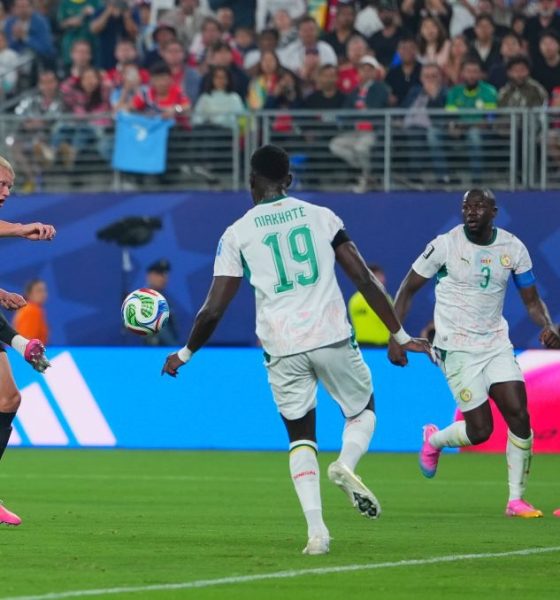
World Cup 2026
Senegal’s World Cup Dream Is Falling Apart: Four Reasons the Lions Of Teranga Are On The Brink
Senegal arrived at the 2026 FIFA World Cup carrying the weight of expectation.
Despite the controversy surrounding the Africa Cup of Nations title, the Lions of Teranga were widely regarded as one of Africa’s strongest representatives heading into the tournament. With experienced stars such as Sadio Mane, Kalidou Koulibaly, Edouard Mendy and Idrissa Gana Gueye leading the squad, reaching the knockout stage appeared to be the minimum expectation.
Two matches later, reality looks very different.
A 3-1 defeat to France was followed by a damaging 3-2 loss against Norway, leaving Senegal staring at an early World Cup exit. The expanded 48-team format means they still have a mathematical chance of progressing as one of the best third-placed teams. But their destiny is no longer in their own hands.
For a team that dreamed of challenging the world’s elite, that alone represents failure.
The question now is simple, how did it go wrong so quickly?
Senegal’s Attack Is Creating Moments But Not Taking Control
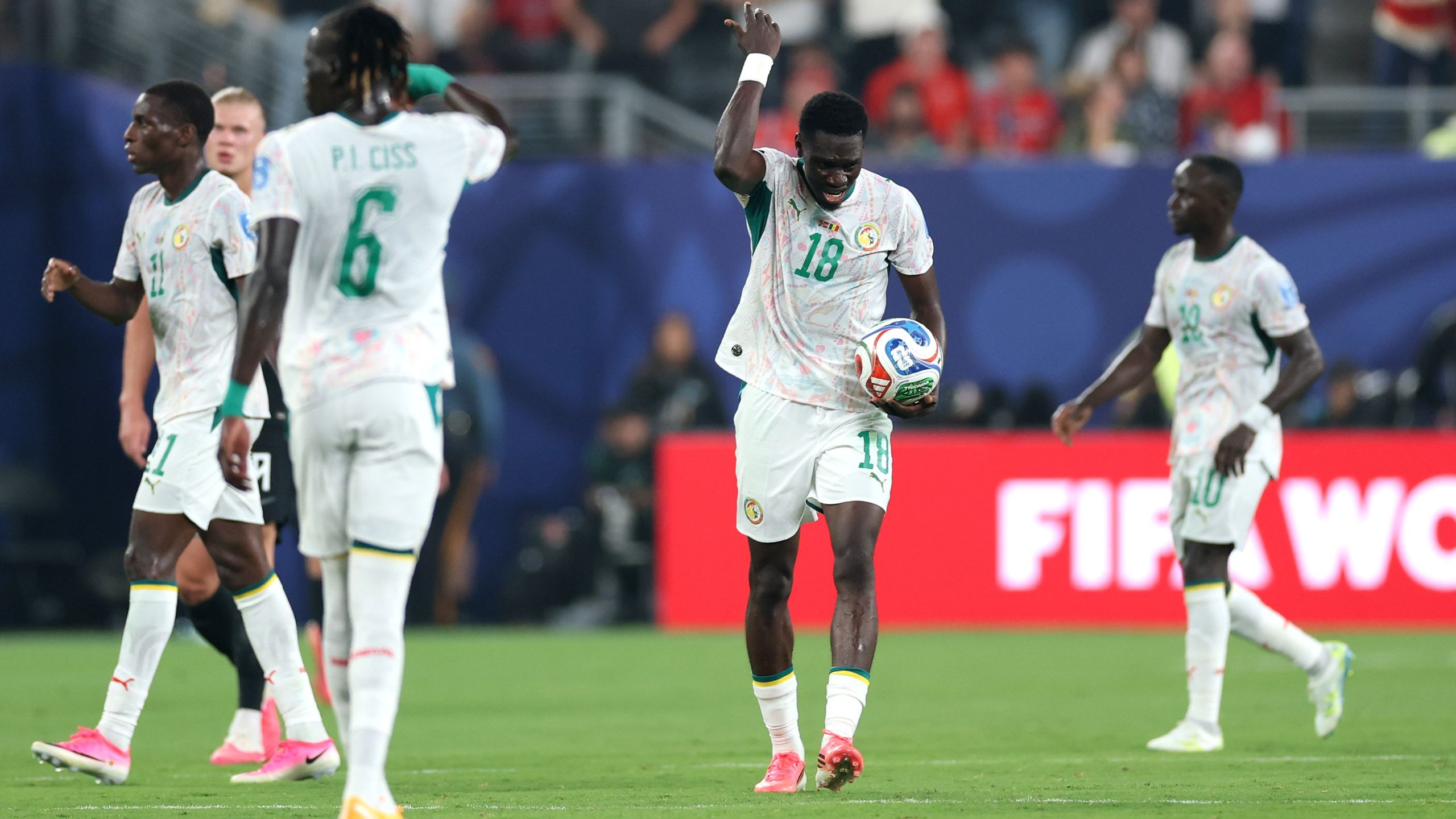
Ismaïla Sarr (number 18) of the Senegal National Football Team reacting after scoring a goal during their Group I match against Norway at the 2026 FIFA World Cup.
One of the biggest frustrations for Senegal throughout this tournament has been the gap between their promising build-up play and their lack of cutting edge when it matters most.
Against France, Senegal produced enough dangerous situations to make life uncomfortable for Didier Deschamps’ side. Yet they failed to convert their promising attacks into goals.
The same pattern emerged against Norway.
For large periods of the first half, Senegal looked the better side. They pressed aggressively, won possession high up the pitch and repeatedly transitioned quickly through midfield.
Norway struggled to establish control during these phases.
However, dominance without end product means very little at World Cups.
Time and again Senegal reached dangerous positions only to make the wrong final pass, delay a shot, or run directly into Norway’s defensive structure. The quality was there up until the decisive moment.
Then everything broke down. At this level, those missed opportunities are brutally punished.
Norway absorbed the pressure and struck when it mattered. France had done the same thing a few days earlier.
The worrying aspect for coach Pape Thiaw is that this is becoming a pattern rather than an isolated problem.
Senegal’s Senior Players Are Making Costly Mistakes
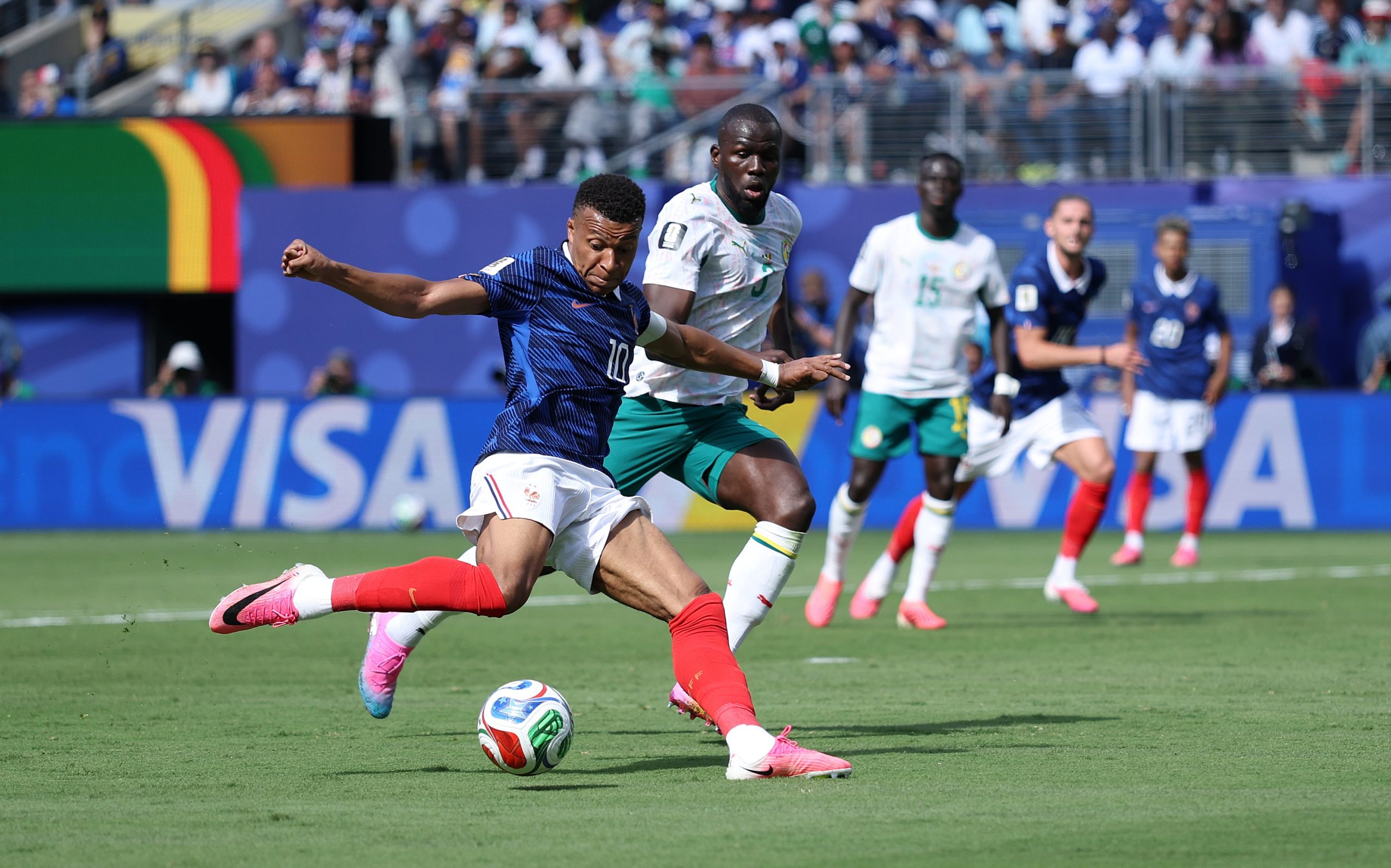
Kylian Mbappe’s goal vs Senegal 2026 FIFA World Cup.
Experience is supposed to be Senegal’s greatest strength.
Instead, it has become one of their biggest weaknesses.
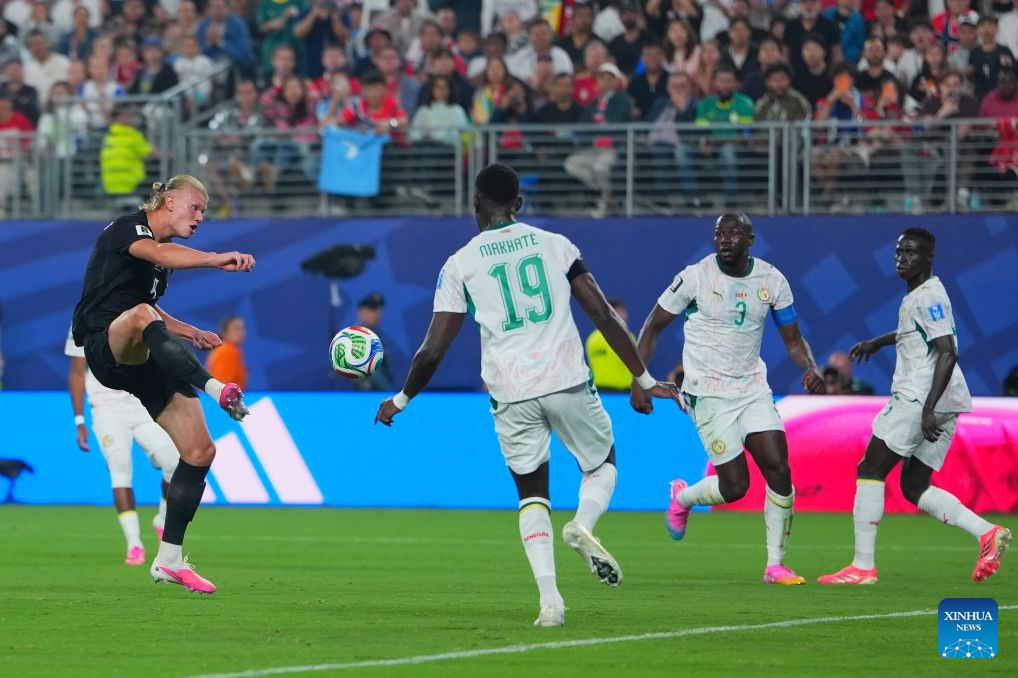
Kalidou Koulibaly, one of Africa’s most respected defenders of the past decade, endured another difficult evening against Norway. His misplaced pass directly led to Marcus Pedersen’s opening goal and immediately shifted momentum in Norway’s favour.
The captain also struggled throughout the match, repeatedly arriving late in challenges and failing to impose his usual authority.
For a defender who has built a career on concentration and leadership, it was an unusually erratic performance.
Edouard Mendy also experienced a mixed night.
The goalkeeper produced several excellent saves that kept Senegal competitive during the first half. Yet he nearly gifted Norway another goal when he lost possession inside his own penalty area while under pressure from Erling Haaland.
Only the goalpost prevented disaster. Meanwhile, Idrissa Gana Gueye’s careless turnover directly contributed to Norway’s second goal.
These are not mistakes from inexperienced players learning at their first major tournament.
These are mistakes from veterans who have played Champions League football and represented Senegal on the biggest stages.
When your most experienced players become your biggest liability, winning World Cup matches becomes extremely difficult.
Did Pape Thiaw Get His Team Selection Wrong?
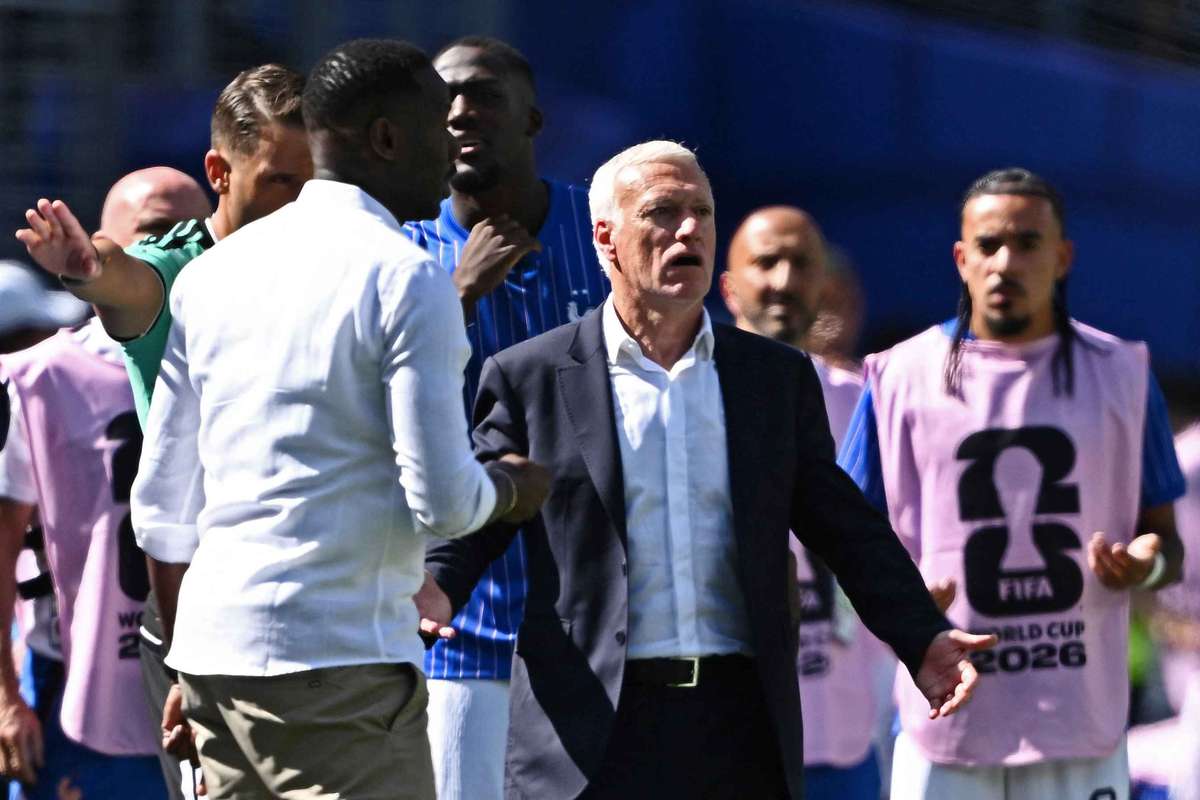
France head coach Didier Deschamps and Senegal head coach Pape Thiaw reacting on the touchline during a match.
Many Senegal supporters expected changes after the defeat against France.
Instead, Pape Thiaw kept faith with the same starting eleven.
It was a decision that surprised many observers.
The first match had highlighted several areas where fresh energy appeared necessary. Ibrahim Mbaye had impressed after coming off the bench against France. While Iliman Ndiaye offered an alternative attacking profile that could have stretched Norway’s defence differently.
Yet neither player was rewarded with a starting role.
To be fair to Thiaw, one of his most criticised players responded positively.
Ismaila Sarr had faced significant criticism following the France defeat, but the Crystal Palace winger answered his critics with two goals against Norway.
Even so, the overall performance suggested that Senegal lacked the freshness and unpredictability needed to alter their trajectory.
Mbaye, once again, looked lively after entering the game.
The teenager has quickly become one of the few genuine positives of Senegal’s campaign.
After becoming the youngest African goalscorer in World Cup history against France, his growing influence raises an important question.
Should Senegal have trusted youth earlier?
With the team struggling for creativity and composure, many fans will argue that the answer is yes.
Are Off-Field Problems Affecting Senegal?
Perhaps the most concerning aspect of Senegal’s tournament is that the issues may extend beyond tactics and performances.
Reports emerging from the camp have suggested growing tensions regarding unpaid qualification bonuses and uncertainty surrounding Pape Thiaw’s own contractual situation.
Thiaw remains in charge despite reportedly not having a formal long-term contract in place.
Both the coach and goalkeeper Mory Diaw publicly dismissed suggestions that off-field matters were affecting the team.
Officially, everything is fine.
But football rarely exists in a vacuum. When concentration levels drop repeatedly, when experienced players make unusual mistakes, and when a team consistently loses composure in decisive moments, questions inevitably arise.
The timing is difficult to ignore.
Senegal’s biggest problems have appeared in situations requiring maximum focus the final pass, the final decision, the final defensive action.
Those moments often reflect mental sharpness as much as tactical preparation.
Whether the reports are accurate or not, the perception of instability is now impossible to separate from Senegal’s performances.
Senegal: Ibrahim Mbaye Offers Hope for the Future
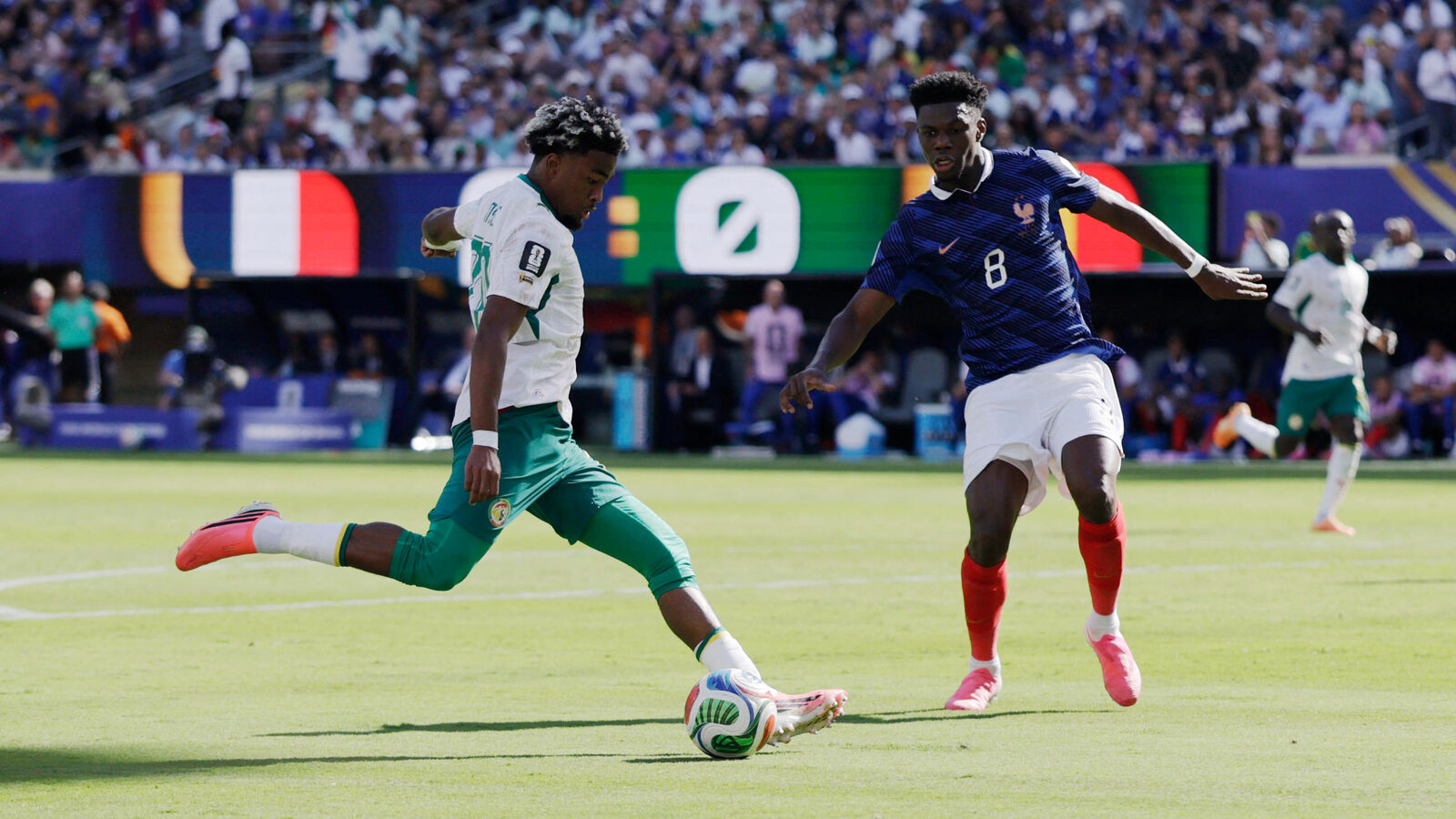
Aurélien Tchouaméni of France is defending against Senegal’s Ibrahim Mbaye during a Group I match at the FIFA World Cup 2026.
If there is one bright light in an increasingly dark tournament, it is Ibrahim Mbaye.
The 18-year-old has injected energy, confidence and fearlessness whenever he has stepped onto the pitch.
While several senior players have struggled under pressure, Mbaye has looked liberated by the occasion.
His goal against France entered the history books, but it is his overall approach that has impressed most. He attacks defenders directly, takes risks and plays without fear.
African football has often relied on experienced stars to carry national teams through major tournaments.
Mbaye represents something different. He represents the future.
Regardless of what happens against Iraq, Senegal may have discovered a player capable of leading the next generation.
Senegal: Verdict
Senegal’s problems at this World Cup cannot be blamed on one person or one moment.
Their attack has lacked precision. Their experienced players have made costly errors.
Tactical decisions have been questioned. Off-field distractions appear to be casting a shadow over the camp.
Together, those issues have pushed one of Africa’s most talented squads to the edge of elimination.
The painful reality is that Senegal have looked like a team carrying burdens rather than a team chasing dreams.
Yet football remains unpredictable. A victory against Iraq could still leave the door slightly open.
But even if Senegal somehow escapes the group stage, this tournament has already exposed deeper problems that cannot be ignored.
The Lions of Teranga came to North America hoping to prove they were Africa’s standard-bearers.
Instead, they are fighting simply to survive.