World Cup 2026
Ghana Started It, Algeria Claimed It, Now Morocco Wants The Crown: Who Is Africa’s Brazil?
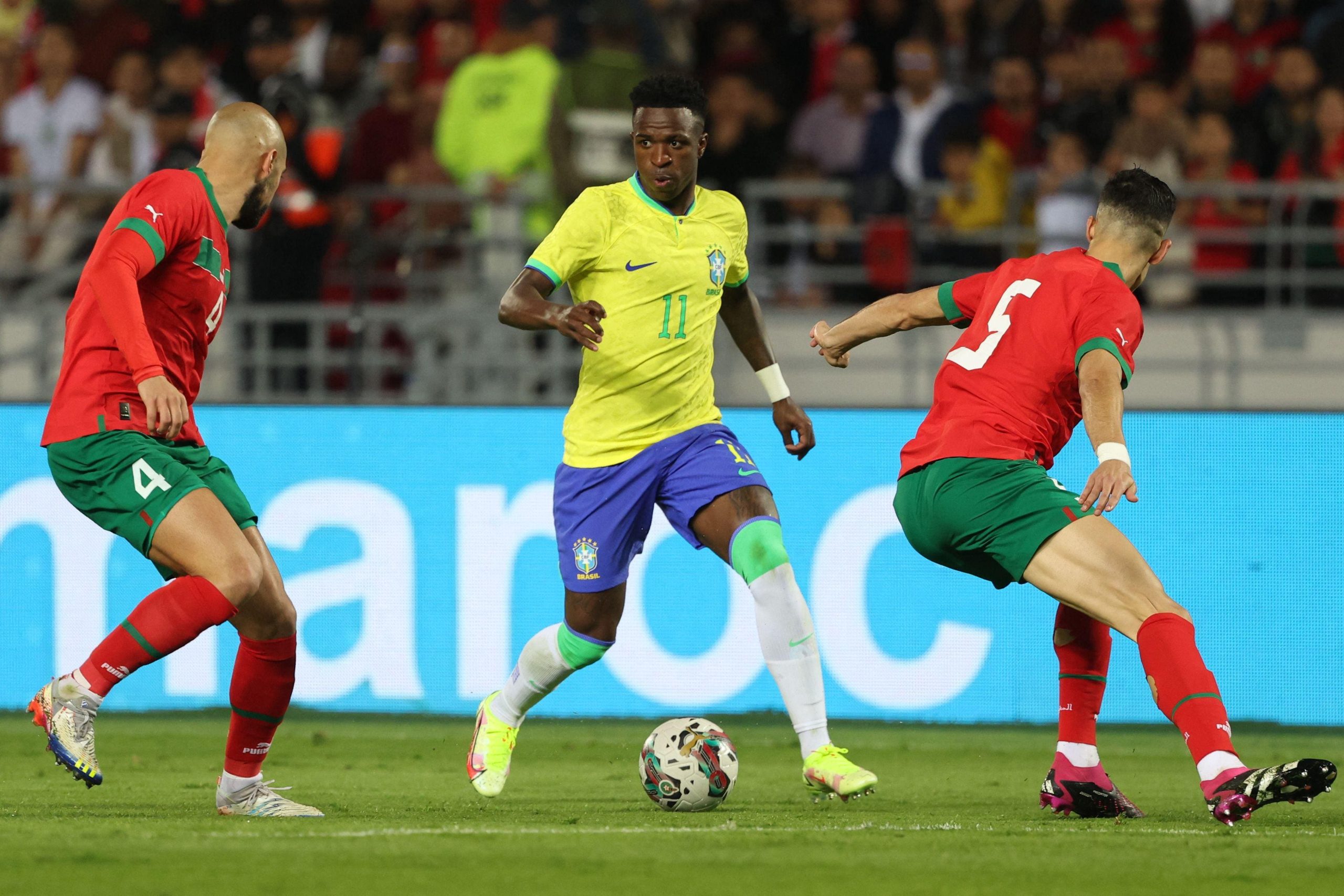
On Saturday evening, Morocco face Brazil at the 2026 FIFA World Cup. Kick-off is 11pm Nigeria time at MetLife Stadium, New Jersey.
Two nations among the highest-ranked teams in world football. Two countries whose footballing identities, at least in the eyes of many supporters, share more similarities than most people realise.
Yet beyond the match itself. The fixture has revived one of African football’s oldest and most fascinating debates which nation truly deserves to be called the Brazil of Africa?
For decades, different countries have laid claim to the nickname. Ghana earned it through history.
Algeria built a reputation through artistry and technical brilliance. Morocco has strengthened their case through unprecedented success on the global stage.
The answer is not as straightforward as many think.
Ghana: The Original Brazil of Africa
If there is one African nation with the strongest historical claim to the title, it is Ghana.
The connection between Ghana and Brazil extends beyond football. During the 19th century, formerly enslaved Africans returned from Brazil to Ghana, particularly to Accra, where the famous Tabom community became part of the country’s cultural fabric.
Football later strengthened that connection.
During the 1960s, legendary Ghanaian coach C.K. Gyamfi became fascinated by the football played by Brazil’s golden generation led by Pelé and Garrincha. Rather than simply admiring them from afar, he travelled to Brazil to study their methods and tactical ideas
Upon returning home, Gyamfi introduced several Brazilian concepts into Ghanaian football. Which includes variations of the famous 4-2-4 formation that helped Brazil dominate world football.
The results were remarkable.
Ghana won consecutive Africa Cup of Nations titles in 1963 and 1965 while playing an entertaining, attacking style that captivated supporters across the continent. Their football combined technical skill, creativity and confidence in possession qualities commonly associated with Brazil.
That period established Ghana as the original “Brazil of Africa,” a nickname that has survived for more than half a century.
Even today, many older African football fans still associate the phrase with the Black Stars before any other nation.
Why Morocco Is Making Its Case
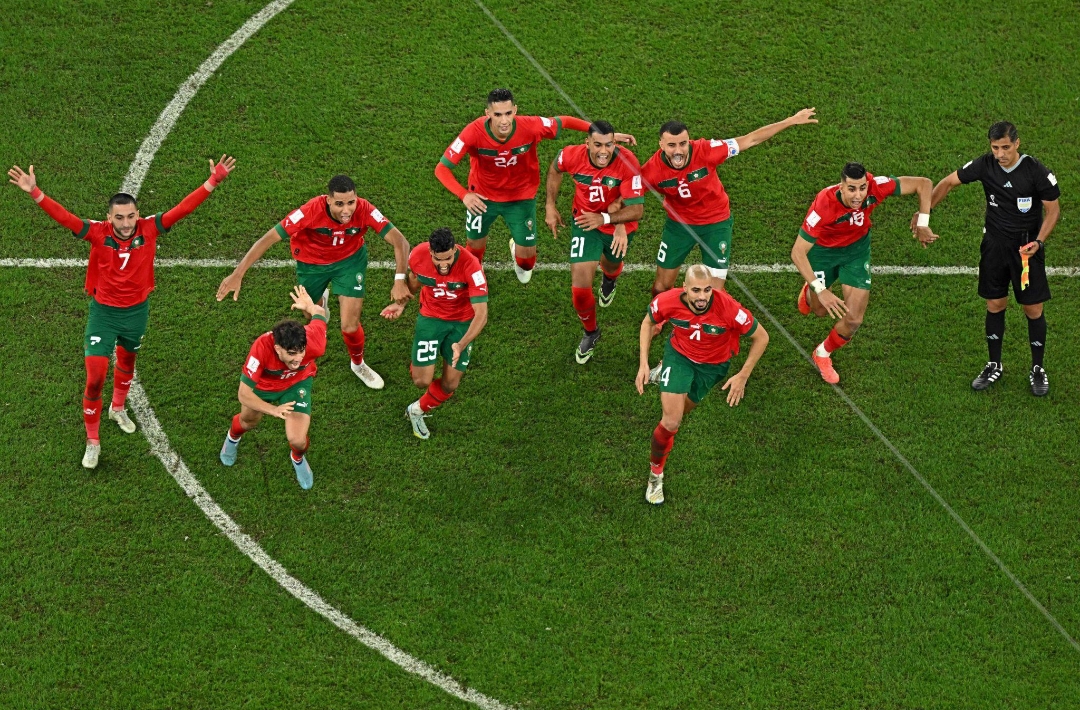
Morocco national football team celebrating their historic victory over Spain in the Round of 16 penalty shootout at the 2022 FIFA World Cup in Qatar.
While Ghana may possess the historical legitimacy, Morocco has become the country most frequently associated with the title in recent years.
The biggest reason is simple results.
Morocco’s historic run to the semi-finals of the 2022 FIFA World Cup changed perceptions of African football around the world.
No African nation had ever reached the last four before the Atlas Lions achieved the feat in Qatar.
Rather than treating it as a one-off achievement, Morocco have continued their rise.
They remain among the highest-ranked teams in world football and have established themselves as genuine contenders against elite opposition.
To put that into perspective, Morocco currently sit above every other African nation in the FIFA rankings.
The Atlas Lions are currently ranked seventh in the world higher than former World Cup winners such as Uruguay and well clear of any other African nation.
However, the comparison to Brazil is not based solely on results.
Morocco’s evolving football philosophy is another factor.
Under the new generation of coaches and players, the national team has increasingly embraced a more ambitious and technically expressive style. Possession football, positional rotations and creative attacking patterns have become central features of their identity.
The squad itself reflects that evolution.
Players such as Achraf Hakimi, Brahim Diaz, Ismael Saibari, Neil El Aynaoui, Ayyoub Bouaddi and Chemsdine Talbi represent one of the most technically gifted generations of African football has produced in recent years.
Many of them developed in elite European academies. But maintain strong connections to Morocco, creating a unique blend of tactical sophistication and national pride.
This combination of technical excellence, attacking ambition and elite-level results explains why many younger fans now view Morocco as the modern Brazil of Africa.
Algeria’s Claim to the Title
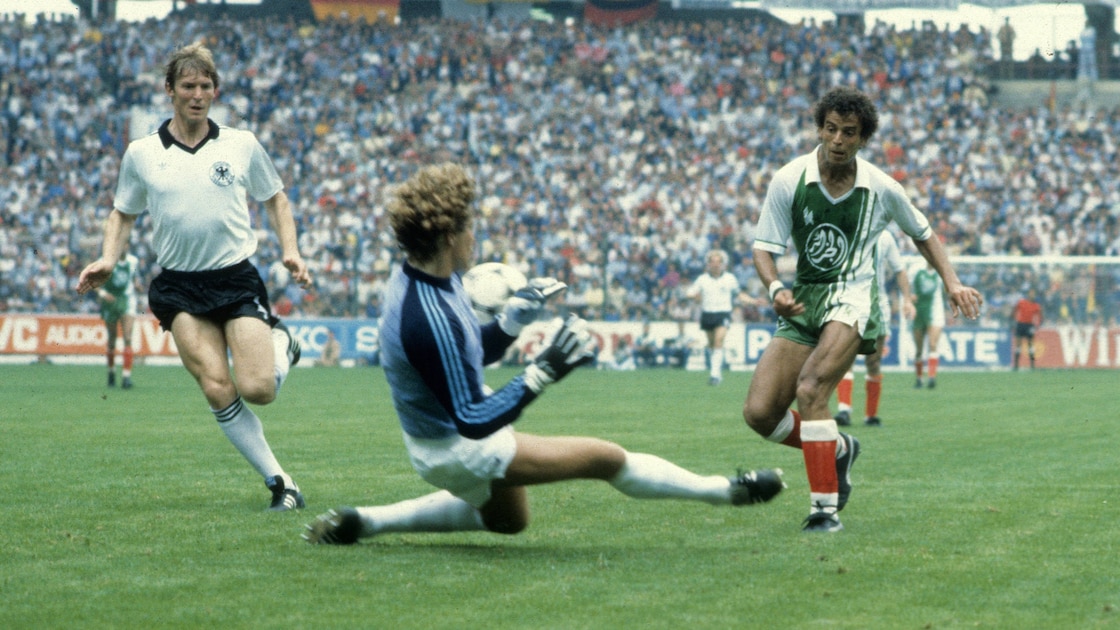
1982 FIFA World Cup match where Algeria shocked the world by defeating West Germany 2–1.
Morocco are not the only challengers.
For many football purists, Algeria have long represented the African nation closest to Brazilian football in spirit.
The Fennecs have historically been associated with flair, improvisation and technical brilliance. Street football culture remains deeply embedded in Algerian football development. This has produced generations of players comfortable in one-versus-one situations and capable of creating moments of magic from nothing.
Few African nations have consistently produced as many naturally gifted attacking players.
From Lakhdar Belloumi and Rabah Madjer to Riyad Mahrez and Youcef Belaïli. Algeria’s football identity has often been built around creativity rather than physicality.
Even today, that tradition continues.
Players such as Amine Gouiri, Anis Hadj Moussa and Adil Boulbina represent a new generation carrying forward the country’s technical heritage.
Unlike Morocco, whose recent claim is largely built on results, Algeria’s argument rests on aesthetics.
When many supporters think of Brazilian football, they think of dribbling, flair and imagination. Algeria’s football culture has consistently reflected those qualities.
That makes their claim difficult to dismiss.
What About Nigeria?
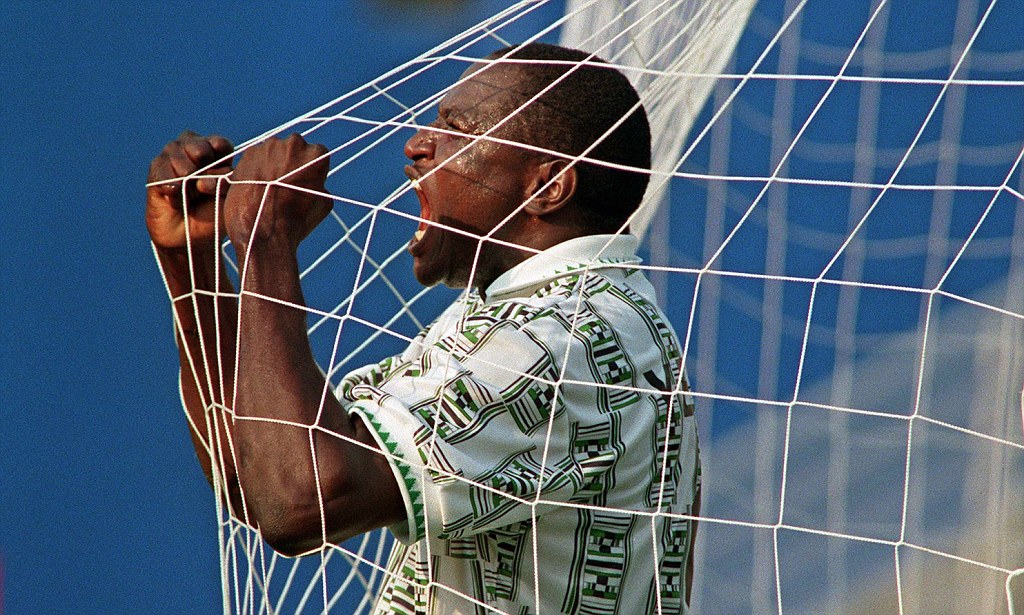
Legendary Nigerian striker Rashidi Yekini celebrating Nigeria’s first-ever FIFA World Cup goal.
No discussion about African football identity would be complete without Nigeria.
In fact, many Nigerian supporters would argue that the Super Eagles deserve a place at the centre of this debate.
The Nigerian teams of the 1990s remain among the most entertaining sides African football has ever produced.
Rashidi Yekini, Jay-Jay Okocha, Finidi George, Daniel Amokachi and Sunday Oliseh formed a generation overflowing with talent and personality.
When Nigeria arrived at the 1994 World Cup, they did not merely participate they announced themselves to the world.
That moment and Rashidi Yekini’s famous net celebration feature in our list of Africa’s most iconic World Cup moments.
Their football was fearless, expressive and technically brilliant.
Much like Brazil, they played with confidence and freedom.
Okocha, in particular, embodied the type of street-football creativity often associated with Brazilian legends. His skill, flair and unpredictability made him one of the most beloved African players of his era.
The challenge for Nigeria has been continuity.
While the country has consistently produced world-class individuals. It has struggled to maintain a single, recognisable football identity across generations.
Ghana, Morocco and Algeria each developed clearer long-term stylistic traditions.
Nigeria’s story has often been one of extraordinary talent rather than a consistent football philosophy.
Even so, many Nigerian fans would argue that no African nation has ever produced a generation more naturally gifted than the Super Eagles of the 1990s.
Does Africa Even Need a Brazil?
Perhaps the real question is not who deserves to be called the Brazil of Africa.
Perhaps the question itself is becoming outdated.
African football has evolved dramatically over the past several decades. The continent now produces Champions League winners, Ballon d’Or contenders and teams capable of competing with the world’s best on the biggest stages.
Morocco’s World Cup semi-final run demonstrated that African nations no longer need validation through comparison.
They can create their own legacy.
Ghana’s achievements belong to Ghana.
Algeria’s technical tradition belongs to Algeria.
Nigeria’s flair belongs to Nigeria. Morocco’s historic success belongs to Morocco.
Each nation has contributed something unique to the story of African football.
Verdict: Africa Doesn’t Need a Brazil
Ghana earned the nickname through history, culture and trophies. Algeria built a powerful claim through generations of technically gifted footballers.
Morocco has strengthened their argument through achievements on the biggest stage.
But African football has now outgrown the comparison.
When Morocco reached the World Cup semi-finals in 2022, they were not celebrated because they resembled Brazil. They were celebrated because they represented Morocco and, in many ways, the ambitions of an entire continent.
That is why the debate remains fascinating but perhaps no longer necessary.
On Saturday night, Morocco will not play like Brazil. They will play like Morocco.
And for African football in 2026, that may be the strongest statement of all.