World Cup 2026
Ghana Steal A Win They Barely Deserved But Three Points Are Three Points
Ghana won. It was not pretty. It was not deserved for large parts of the contest.
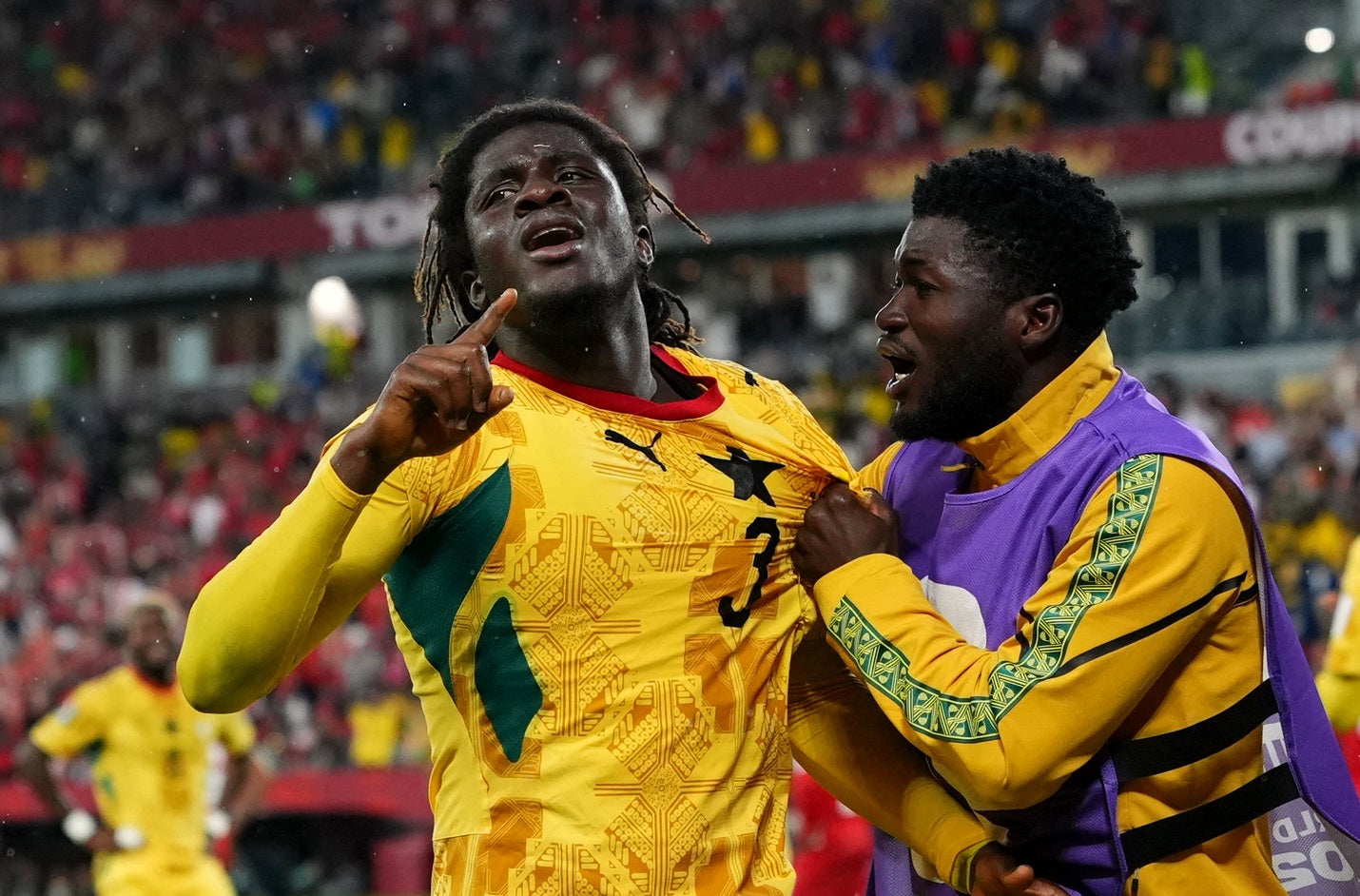
But on a Wednesday night in Toronto, kick-off was 12am Nigeria time. Caleb Yirenkyi arrived in the penalty area in the 95th minute to tap home Brandon Thomas-Asante’s cross and give the Black Stars three points they will take without complaint.
The scoreline says Ghana 1-0 Panama. The performance says something very different.
This was a win built on goalkeeping heroics, substitutes’ impact and stoppage-time fortune rather than attacking fluency or tactical superiority. For long stretches, Panama looked the more coherent side.
Yet football often rewards resilience as much as quality, and Ghana found a way.
Carlos Queiroz’s men now head into daunting fixtures against England and Croatia with three priceless points already secured. That changes everything.
How Ghana Barely Survived the First Half
The first half was deeply uncomfortable viewing for Ghanaian supporters.
Panama arrived with a clear game plan and executed it far better than Ghana managed theirs. The Central Americans attacked aggressively through wide areas, stretched the Black Stars defensively, and repeatedly delivered dangerous balls into the penalty area.
Lawrence Ati-Zigi was the reason Ghana survived.
The goalkeeper produced an outstanding early save to deny Cecilio Waterman and later rushed from his line to prevent Amir Murillo from opening the scoring. Without those interventions, Ghana could easily have gone into halftime trailing.
The statistics reflected the eye test.
Ghana struggled to build sustained possession, looked disconnected in midfield and failed to create meaningful opportunities. Remarkably, the Black Stars did not register a shot until first-half stoppage time.
Panama looked sharper, more organised and more confident.
Jerome Opoku was fortunate not to concede a penalty following a physical challenge inside the area. Defensive uncertainty became a recurring theme throughout the opening 45 minutes.
Ati-Zigi required treatment following an aerial collision. He was eventually replaced at half-time by Hearts of Oak goalkeeper Benjamin Asare, Ghana’s problems appeared to be multiplying.
The Black Stars walked into the dressing room level at 0-0.
They were fortunate to do so.
The Semenyo Problem Ghana Cannot Ignore
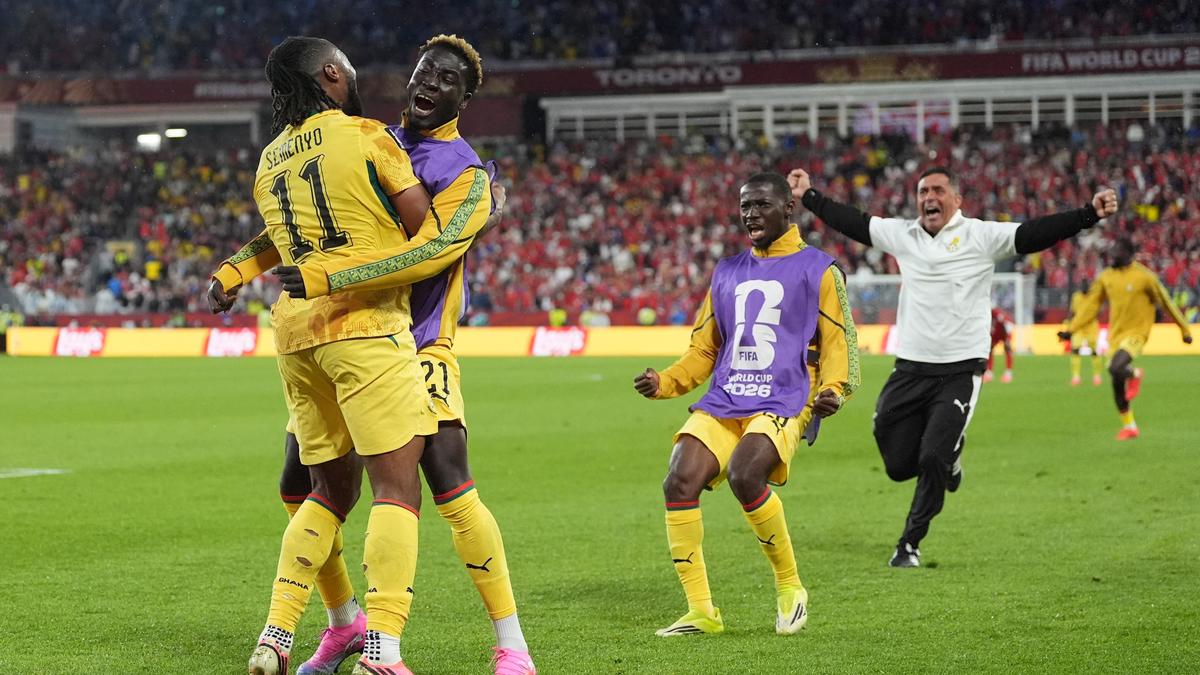
Antoine Semenyo is seen on the left celebrating with teammates after Caleb Yirenkyi scored a last-minute goal.
The biggest talking point from this match was not the winning goal. It was how Ghana used Antoine Semenyo.
Fresh from the best season of his career. The former Bournemouth forward arrived at the World Cup carrying enormous expectations. His move to Manchester City for more than £60 million reflected just how highly he is regarded in English football.
This is a player who scored 17 Premier League goals last season. This is Ghana’s most dangerous attacker.
Yet for much of the contest, Semenyo was pinned to the left flank and burdened with defensive responsibilities.
Rather than receiving the ball in central positions where he could attack defenders, combine with Jordan Ayew and influence the game near goal. He spent large periods tracking runners and helping protect Ghana’s back line.
The result was predictable. Ghana became toothless.
At the 60-minute mark, the Black Stars had generated just 0.10 expected goals. A shocking figure for a team containing Semenyo, Kamaldeen Sulemana, Ernest Nuamah and Jordan Ayew.
The tactical approach did not maximise Ghana’s strengths.
Ironically, the decisive moment of the match arrived when Semenyo was finally allowed to influence proceedings higher up the pitch. His through-ball released Brandon Thomas-Asante behind the Panama defence and directly contributed to the winning goal.
Against England and Croatia, Ghana cannot afford to waste their most dangerous player.
Queiroz must find a way to get Semenyo closer to goal.
The Absences That Defined Ghana’s Performance
Context matters when assessing this display.
Ghana entered the tournament without two of their most influential players.
Mohammed Kudus is absent from the World Cup entirely, depriving the Black Stars of their most creative dribbler and one of Africa’s most exciting attacking talents.
The absence was obvious. Throughout the match, Ghana lacked someone capable of receiving possession between the lines, carrying the ball forward and creating moments of unpredictability.
There was also no Thomas Partey. The experienced midfielder was unavailable for the fixture in Canada, and his absence left Ghana lacking composure and authority in midfield.
Partey’s ability to dictate tempo, recover possession and connect defence to attack was sorely missed.
Without Kudus and Partey, Ghana looked fragmented. The midfield struggled to progress the ball.
The attack struggled to function. The team struggled to establish control.
The positive news for Black Stars supporters is that Partey is expected to be available for the England clash. His return alone could significantly improve Ghana’s chances of competing against stronger opposition.
The Substitutes Changed Everything
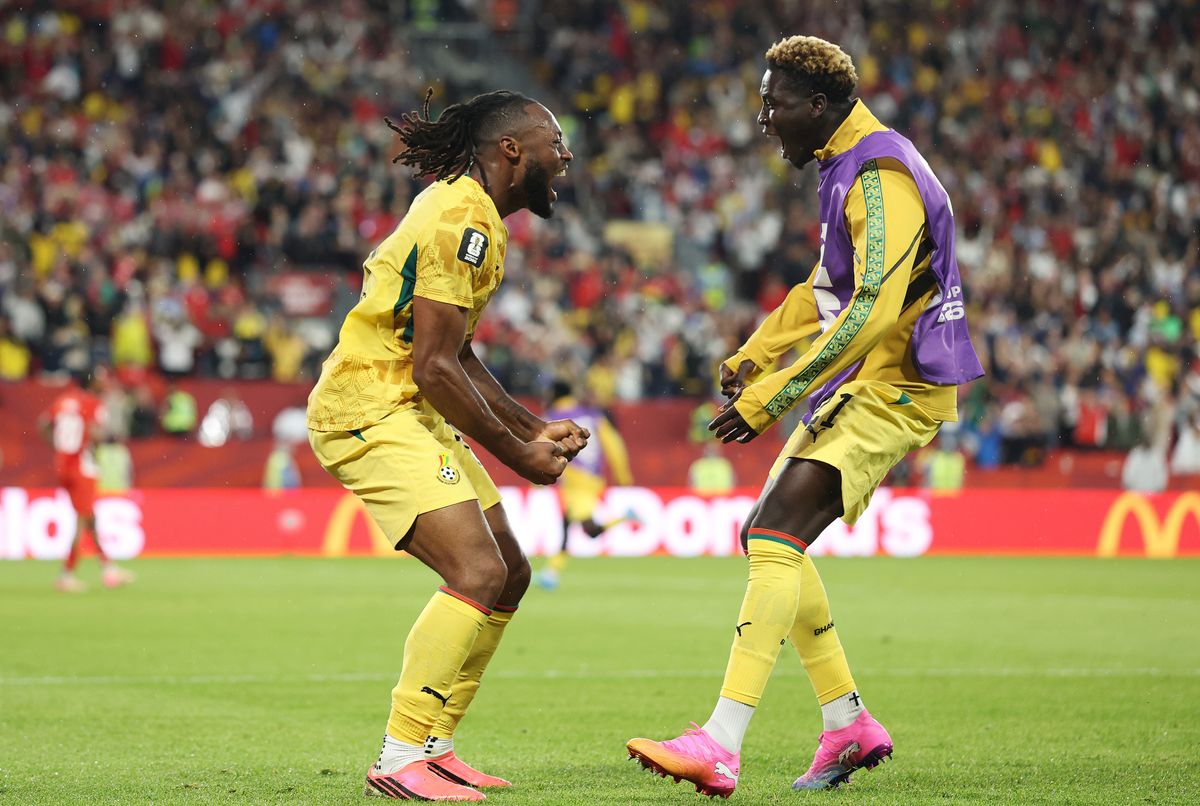
Ghana won the match 1-0 against Panama.
Football matches can turn on a single decision. For Ghana, that decision came from the bench.
Recognising that his attack was failing to function, Queiroz removed Kamaldeen Sulemana and Ernest Nuamah, introducing Brandon Thomas-Asante and Issahaku Abdul Fatawu.
The impact was immediate.
Thomas-Asante brought energy, direct running and a willingness to attack defenders.
For the first time in the match, Ghana looked capable of creating genuine danger.
The opportunities began to arrive. Jordan Ayew narrowly missed connecting with one dangerous cross.
Jonas Adjetey headed wide from an excellent position.
The pressure slowly increased. Even then, it appeared the game would finish goalless.
Then came stoppage time.
Semenyo spotted Thomas-Asante’s run and threaded a pass into space. The substitute delivered an excellent cross across the six-yard box, and Caleb Yirenkyi arrived at precisely the right moment to apply the finish.
95th minute, one chance, one goal, and three points.
For a team that had struggled all evening, it was a dramatic escape.
What Three Points Mean for Ghana’s World Cup
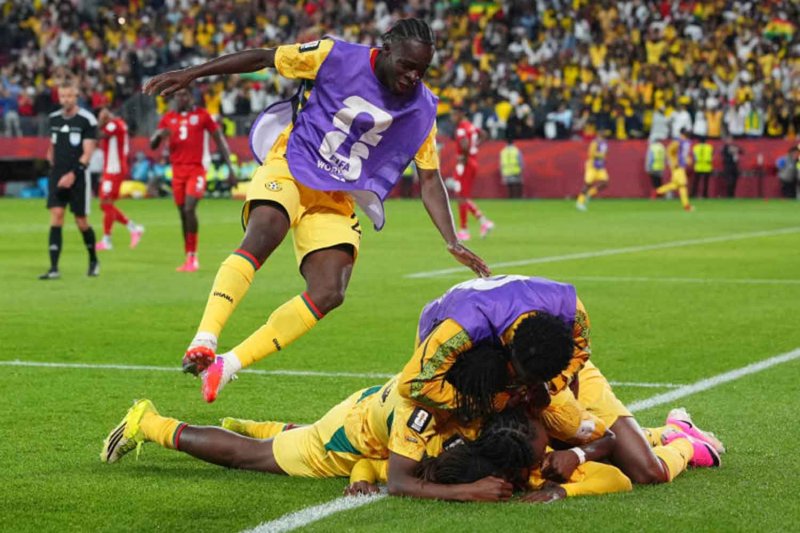
Ghana national football team celebrating a late winning goal during the 2026 FIFA World Cup.
The significance of this victory cannot be overstated.
Before kickoff, Ghana’s realistic objective was probably to finish among the best third-placed teams in the expanded 48-team World Cup format.
That route remains open. In fact, it is now considerably more achievable.
A draw against Panama would have left Ghana under immense pressure heading into matches against England and Croatia.
Victory changes the equation entirely.
The Black Stars now have three points already secured. That allows them to approach the remaining fixtures with greater confidence and less desperation.
Even if England prove too strong, Ghana could remain firmly in contention heading into the final group game.
The expanded World Cup format rewards teams capable of collecting points wherever they can find them.
This was exactly that kind of victory. Ugly. Unconvincing. Potentially crucial.
The Verdict: Queiroz Has Work To Do
Ghana won. That is the headline.
But the deeper story is that the Black Stars were second-best for large portions of this match and escaped with victory thanks to resilience, substitutions and a moment of quality at the death.
The concerns remain. Semenyo must be given greater attacking freedom.
The midfield desperately needs Partey’s return.
The overall attacking structure requires significant improvement.
England will expose the same weaknesses far more ruthlessly than Panama did. Yet there is another side to the story.
Successful tournament teams often find ways to win when they are not playing well. Ghana did exactly that in Toronto.
The Black Stars may not have convinced anyone with their football. They may not have justified the scoreline.
But they have three points. And in World Cup football, three points can change everything.